Online Education: Transforming Learning in the Digital Age

In the digital era, online education has emerged as a revolutionary force, reshaping how people learn, upskill, and pursue knowledge. No longer limited by geographical boundaries or rigid schedules, online education has become a accessible, flexible, and practical alternative to traditional classroom learning, catering to students, professionals, and lifelong learners alike.
Online education, also known as e-learning, refers to any form of learning that takes place through digital platforms—whether it’s a full degree program, a short skill-building course, or a self-paced learning module. Unlike traditional education, which requires physical attendance at a school or college, online education allows learners to access lessons, materials, and support from anywhere with an internet connection, at any time that suits their schedule. This flexibility is particularly valuable for working professionals, stay-at-home parents, and those living in remote areas who may not have access to traditional educational institutions.
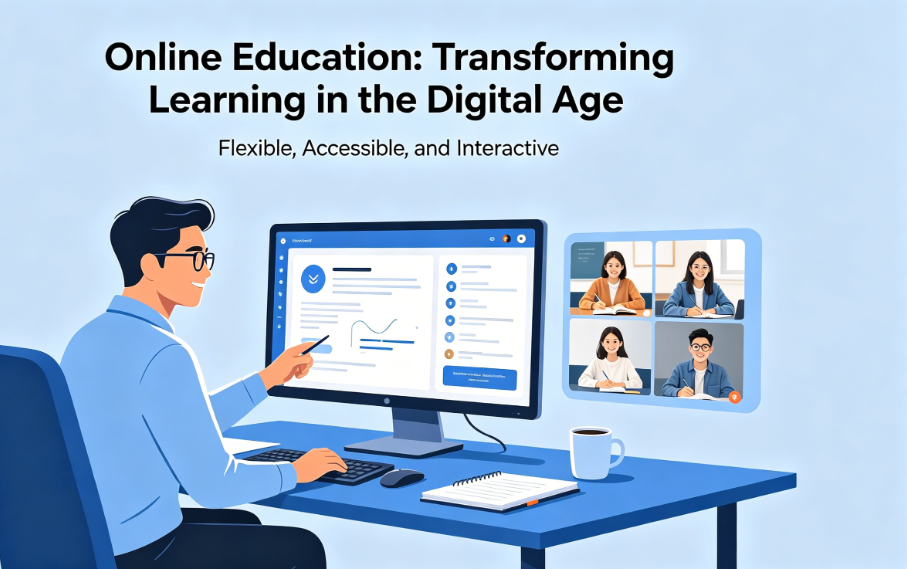
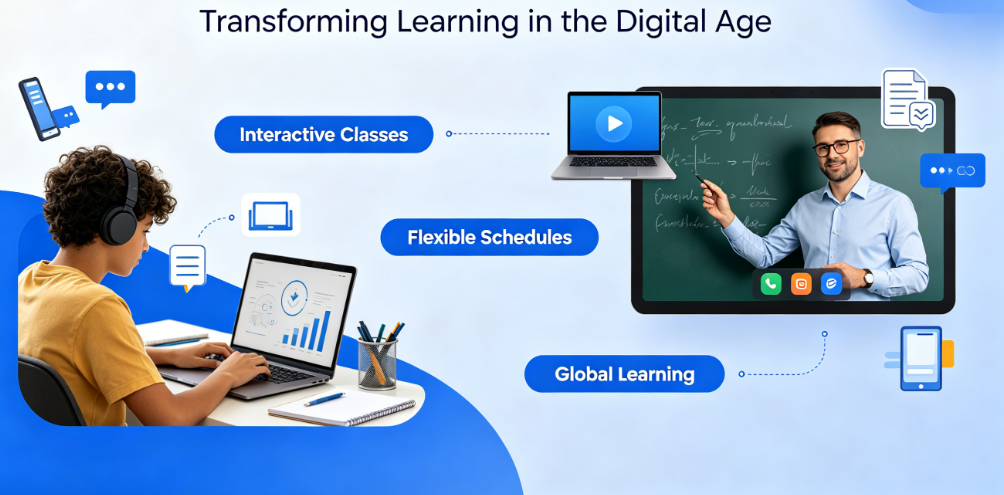
One of the key advantages of online education is its accessibility. With just a laptop or smartphone, learners can access high-quality courses from top universities and institutions around the world. Whether it’s learning a new language, mastering a professional skill (such as coding, digital marketing, or project management), or pursuing a full academic degree, online platforms offer a wide range of options to meet diverse learning needs. Many online courses also provide interactive elements—such as video lectures, quizzes, discussion forums, and live webinars—that engage learners and enhance the learning experience, making it more dynamic than passive textbook learning.
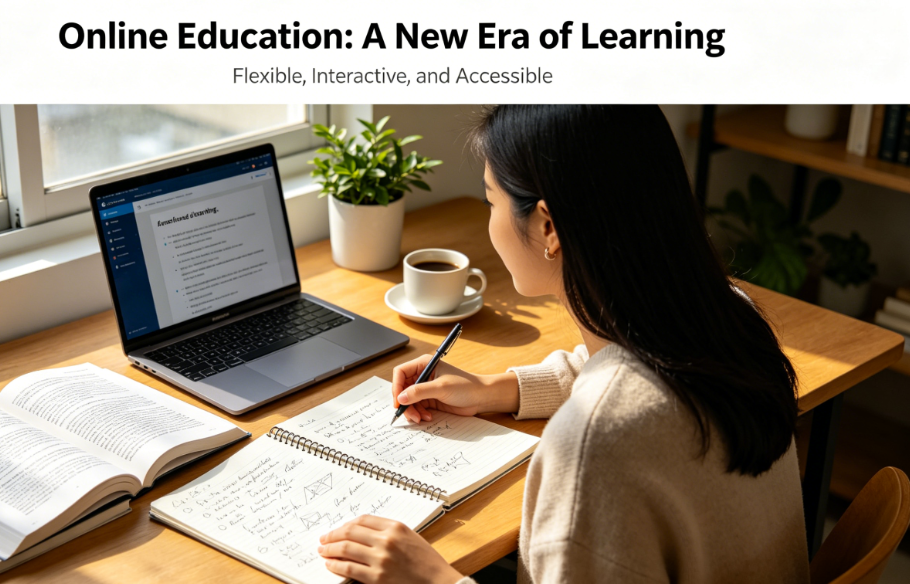
Another major benefit is flexibility. Online learners can set their own pace, allowing them to balance their studies with work, family, or other commitments. There’s no need to commute to a campus, saving time and money. For example, a working professional can study after work, a parent can learn during their child’s nap time, and a student can review lessons at their own speed—all without sacrificing other responsibilities. This flexibility makes education more inclusive, opening doors for those who might otherwise be unable to pursue further learning.
Online education also fosters self-discipline and independent learning. Without the structure of a traditional classroom, learners must take responsibility for their own progress, managing their time effectively and staying motivated. This not only helps them master the course material but also develops valuable life skills that are highly sought after in the workplace, such as time management, self-motivation, and digital literacy.
Of course, online education is not without its challenges. Some learners may struggle with the lack of in-person interaction, feeling isolated or disconnected from instructors and peers. Technical issues—such as poor internet connectivity or device problems—can also disrupt the learning process. However, most online platforms offer support services, such as virtual office hours, online tutoring, and technical assistance, to help learners overcome these obstacles. Additionally, many courses include discussion forums and group projects that encourage interaction and build a sense of community among online learners.
As technology continues to advance, online education is only becoming more sophisticated. Artificial intelligence (AI) is being used to personalize learning experiences, adapting content to each learner’s pace and needs. Virtual reality (VR) and augmented reality (AR) are also being integrated into online courses, creating immersive learning environments that simulate real-world scenarios. These innovations are making online education more engaging, effective, and relevant to the needs of today’s learners.
In conclusion, online education has transformed the way we learn, making quality education more accessible, flexible, and inclusive than ever before. It empowers learners to take control of their education, pursue their goals, and develop the skills needed to thrive in a digital world. Whether you’re looking to advance your career, learn a new skill, or simply expand your knowledge, online education offers a convenient and effective way to achieve your learning objectives—proving that education can happen anywhere, anytime.