New House Design: Crafting a Space That Grows With You
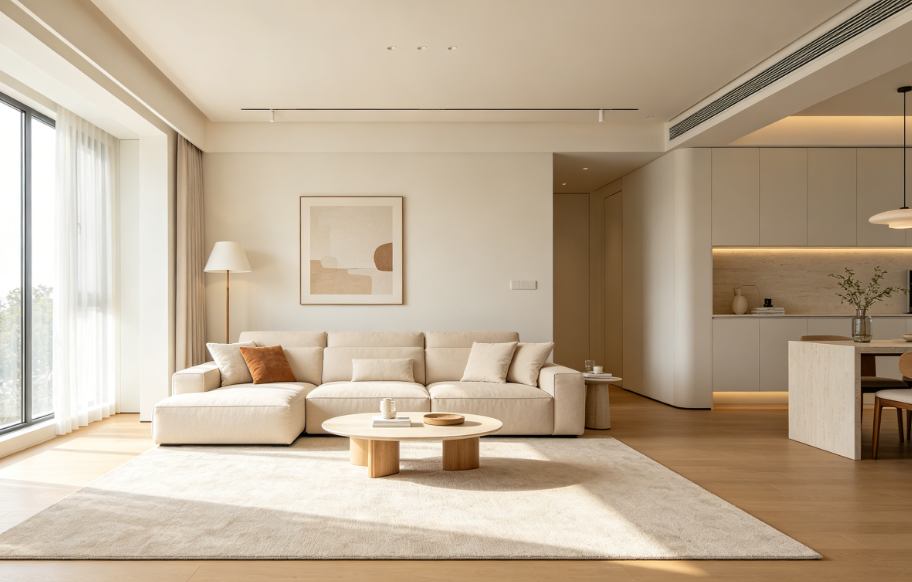
Designing a new house is more than just picking paint colors or choosing furniture—it’s about creating a living space that adapts to your changing needs, reflects your personality, and brings joy to every day. Unlike decorating an existing home, building or designing a new house gives you the freedom to start fresh, ensuring every room, corner, and detail serves a purpose while aligning with your style. Whether you’re designing for a growing family, a quiet retirement, or a vibrant social life, this guide offers practical insights and design principles to help you create a new house that feels intentional, comfortable, and uniquely yours.
Design with Longevity in Mind
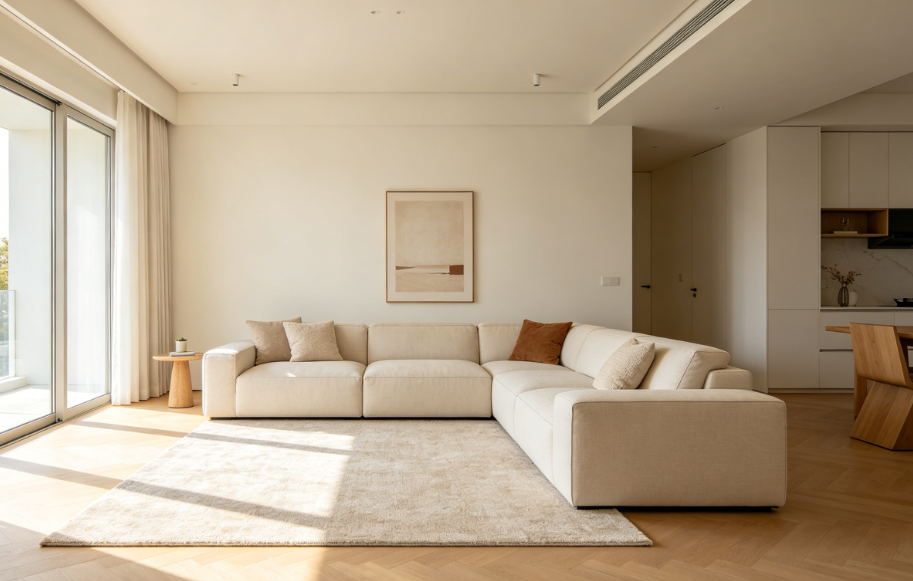
A well-designed new house should grow with you, not against you. When making design decisions, consider your long-term goals—will your family expand? Will you work from home permanently? Will you need accessible spaces as you age? Incorporating flexible design elements ensures your home remains functional for years to come.
For example, a spare bedroom can be designed as a home office now and converted into a nursery or guest room later. Wide doorways and open hallways make the space accessible for those with mobility needs. Multi-purpose rooms, such as a living area that doubles as a playroom or a dining room that functions as a study space, add versatility. By thinking ahead, you’ll avoid costly renovations down the line and create a home that adapts to life’s changes.
Balance Aesthetics and Functionality
The most successful new house designs are those that marry beauty with practicality. It’s easy to get swept up in trendy designs or luxurious finishes, but if a space doesn’t work for your daily routine, it will quickly feel frustrating. Start by identifying the functional needs of each room, then layer in style.
In the kitchen, prioritize storage (pull-out drawers, pantry space) and countertop space for meal prep, then choose finishes and fixtures that match your style. In the living room, opt for comfortable seating that can withstand kids or pets, then add decorative elements like rugs and artwork to elevate the space. For bedrooms, focus on natural light and a comfortable mattress, then incorporate storage solutions to keep the space clutter-free. Remember: a beautiful space that’s not functional will never feel like home.
Embrace Natural Light and Indoor-Outdoor Flow
Natural light is one of the most valuable elements in new house design—it brightens spaces, boosts mood, and makes rooms feel larger and more inviting. When planning your home’s layout, prioritize large windows, skylights, or glass doors to maximize natural light. Position living areas and bedrooms to face south or east for morning light, and use light-colored walls, floors, and window treatments to reflect light throughout the space.
Indoor-outdoor flow is another key trend in modern new house design, blurring the line between inside and outside living. If you have a backyard, patio, or deck, design living areas or kitchens with direct access to these spaces. Sliding glass doors or folding walls can open up the home to the outdoors, creating a seamless transition for entertaining or relaxing. Incorporate outdoor seating areas, plants, or a small garden to extend your living space and enjoy nature from the comfort of your home.
Choose a Timeless Style (With Personal Touches)
Trends come and go, but a timeless design ensures your new house remains beautiful for decades. Opt for classic design elements—neutral color palettes, simple architectural lines, and high-quality materials—that won’t feel outdated in a few years. This doesn’t mean your home has to be boring; instead, add personality through personal touches that reflect your taste.
For example, a neutral living room can be brought to life with colorful throw pillows, a vintage rug, or family artwork. A modern kitchen with clean lines can be warmed up with wooden accents or a statement backsplash. The key is to balance timeless basics with unique elements that make the space feel like yours. Avoid overcommitting to trendy finishes (like overly bold paint colors or unusual materials) that may be hard to update later.
Incorporate Smart Storage Solutions
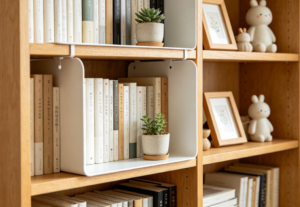
Clutter can ruin even the most beautiful design, so smart storage is essential in a new house. Instead of settling for generic storage options, design storage solutions that fit your specific needs. Built-in shelves and cabinets can maximize space in living rooms, bedrooms, and hallways. Under-stair storage, walk-in closets, and kitchen pantries are great for keeping items organized and out of sight.
Consider hidden storage options, such as ottomans with built-in storage, coffee tables with drawers, or floating shelves that double as display space. For smaller spaces, vertical storage—like tall bookcases or wall-mounted organizers—can free up floor space and make the room feel larger. By incorporating storage into your design from the start, you’ll keep your home organized and maintain its aesthetic appeal.
Prioritize Comfort and Coziness
A new house should feel warm and welcoming, not just beautiful. Comfort is key to creating a space where you and your family want to spend time. Choose soft, inviting materials—like plush rugs, cozy throw blankets, and comfortable seating—to add warmth to each room. Layer textures (wood, fabric, metal, glass) to create depth and coziness.
Lighting also plays a role in creating a cozy atmosphere. Avoid harsh overhead lighting; instead, use a mix of ambient, task, and accent lighting to create a warm glow. Table lamps, floor lamps, and string lights can add softness to living areas and bedrooms. Incorporate plants to bring life and color to the space—they not only improve air quality but also add a touch of nature and coziness.
Conclusion
Designing a new house is a journey of creativity and intention. By focusing on longevity, balancing aesthetics and functionality, embracing natural light, choosing a timeless style with personal touches, incorporating smart storage, and prioritizing comfort, you can create a home that feels like a true reflection of you. Remember, the best new house design is one that works for your lifestyle, grows with you, and brings joy every time you walk through the door. With careful planning and a focus on what matters most, you’ll turn your dream home into a reality.