Modern New House Design: Creating a Livable, Stylish Sanctuary
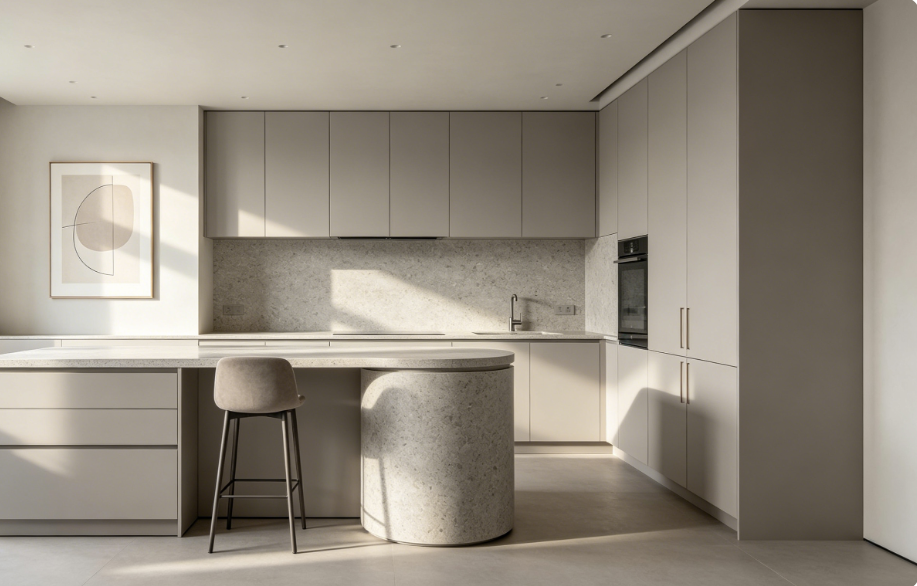
Designing a new house is a unique opportunity to build a space that perfectly aligns with your lifestyle, preferences, and aspirations. Unlike adapting an existing home, a new build lets you shape every detail—from the floor plan to the finishing touches—ensuring your space is both aesthetically pleasing and functionally practical. Whether you’re drawn to minimalist modern design, warm contemporary vibes, or a subtle blend of timeless and trendy elements, the key is to create a home that feels intentional, comfortable, and uniquely yours. This article shares essential insights and practical tips to guide you through the new house design process, helping you turn your vision into a livable, stylish sanctuary.
Start with Intentional Planning
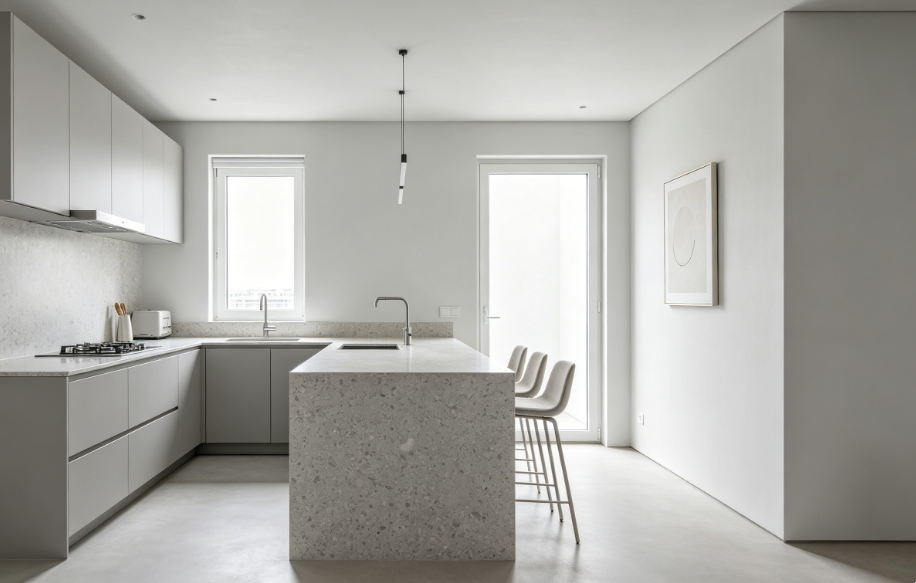
The foundation of successful new house design lies in intentional planning. Before selecting paint colors or furniture, take time to reflect on your daily routines, family needs, and long-term goals. Ask yourself critical questions: How do you use your home throughout the day? Do you work from home and need a dedicated office? Are you a frequent entertainer who requires open, social spaces? Do you have kids or pets who need durable, low-maintenance areas? Answering these questions will help you prioritize features that matter most, avoiding costly revisions later.
Create a detailed wish list, separating “must-haves” from “nice-to-haves.” Must-haves might include a spacious kitchen with ample storage, a quiet bedroom wing, or energy-efficient appliances, while nice-to-haves could be a home theater or a small outdoor patio. This list will serve as a roadmap, keeping your design focused and aligned with your needs.
Design a Layout for Flow and Versatility
The layout of your new house is the backbone of its functionality. A well-designed layout should promote smooth flow between rooms, making daily tasks easier and creating a sense of spaciousness. Open-concept layouts remain a popular choice for modern homes, as they connect the kitchen, dining, and living areas, fostering connection and making entertaining a breeze. However, don’t overlook the value of private spaces—incorporate closed-off rooms for home offices, bedrooms, or media rooms to ensure privacy when needed.
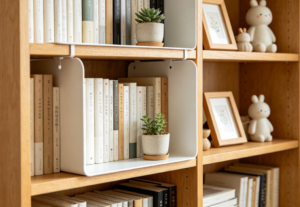
Versatility is another key consideration. Design spaces that can adapt to changing needs: a spare bedroom that doubles as a home office or playroom, a kitchen island that serves as both a prep space and a breakfast bar, or a living area that can be rearranged for gatherings or quiet nights. Built-in storage is also essential—incorporate shelves, closets, and hidden storage solutions to keep your home organized and clutter-free, preserving its aesthetic appeal.
Choose a Timeless Color Palette with Personality
Color sets the mood of your home, so choosing the right palette is crucial. Opt for a timeless neutral base for large surfaces like walls, floors, and major furniture—shades like soft gray, warm beige, or crisp white. Neutrals are versatile, easy to update, and create a blank canvas for adding personality through decor and accents.
Add depth and character with accent colors that reflect your style. Soft blues and greens bring calm to bedrooms and living rooms, while warm terracotta or mustard adds energy to kitchens and dining areas. For a subtle touch, incorporate accent colors through throw pillows, rugs, artwork, or small decor pieces—these can be easily changed as your taste evolves. Always test paint samples in natural and artificial light, as lighting can drastically alter how a color appears.
Incorporate Natural Light and Greenery
Natural light is one of the most valuable elements in new house design. It brightens spaces, boosts mood, and makes rooms feel larger and more inviting. When planning your layout, prioritize large windows, skylights, or glass doors to maximize natural light. Position living areas and bedrooms to face south or east to capture morning and afternoon sunlight, and use light-colored window treatments (like sheer curtains) to let in as much light as possible.
Greenery is another simple way to enhance your space. Houseplants add color, texture, and life, while improving air quality. Choose low-maintenance options like snake plants, pothos, or succulents if you’re new to gardening, or opt for larger plants like fiddle-leaf figs to make a statement. Place plants in sunny corners, on windowsills, or on shelves to bring a touch of nature indoors.
Select Furniture and Finishes for Durability and Style
Furniture and finishes should balance style with durability, especially in high-traffic areas. For furniture, choose pieces that fit the scale of your rooms—avoid oversized items that crowd small spaces or undersized pieces that make large rooms feel empty. Opt for durable materials like leather, microfiber, or hardwood, which can withstand daily wear and tear, especially if you have kids or pets.
Finishes like countertops, flooring, and fixtures should also be practical. In kitchens and bathrooms, quartz countertops are a great choice—they’re stain-resistant, low-maintenance, and available in a variety of colors. Vinyl plank or ceramic tile flooring works well in high-traffic areas, as they’re easy to clean and water-resistant. For fixtures, choose classic designs in neutral finishes (like chrome or brushed nickel) that won’t go out of style, ensuring your home remains timeless for years to come.
Add Personal Touches to Make It Home
A house becomes a home when it reflects your personality and story. After finalizing the layout and finishes, add personal touches that make the space feel uniquely yours. This could include family photos, artwork, heirlooms, or travel souvenirs. These elements not only add character but also create emotional connections to your space.
Decor elements like throw blankets, rugs, candles, and decorative objects can also add warmth and personality. Mix textures—like a woven rug, a velvet throw, or a wooden coffee table—to create depth and interest. Avoid overdecorating; negative space is important for creating a calm, uncluttered feel that allows your personal touches to shine.
Conclusion
Designing a new house is a journey that requires careful planning, creativity, and a focus on what matters most to you. By starting with intentional planning, designing a versatile layout, choosing a timeless color palette, incorporating natural light and greenery, selecting durable furniture and finishes, and adding personal touches, you can create a home that is both stylish and livable. Remember, the best new house design is one that adapts to your lifestyle, brings you joy, and feels like a true sanctuary. With these tips, you’ll be able to turn your dream home into a reality.