How Online Education Is Changing the Way We Learn Today
In the past decade, online education has moved from being a convenient option to a daily reality for millions of learners worldwide. Driven by the spread of high-speed internet and user-friendly digital platforms, it has redefined what learning looks like—no longer tied to a classroom, a bell schedule, or a single instructor. Today, online learning is accessible to students, professionals, and lifelong learners alike, offering a flexible, practical way to gain knowledge and skills.
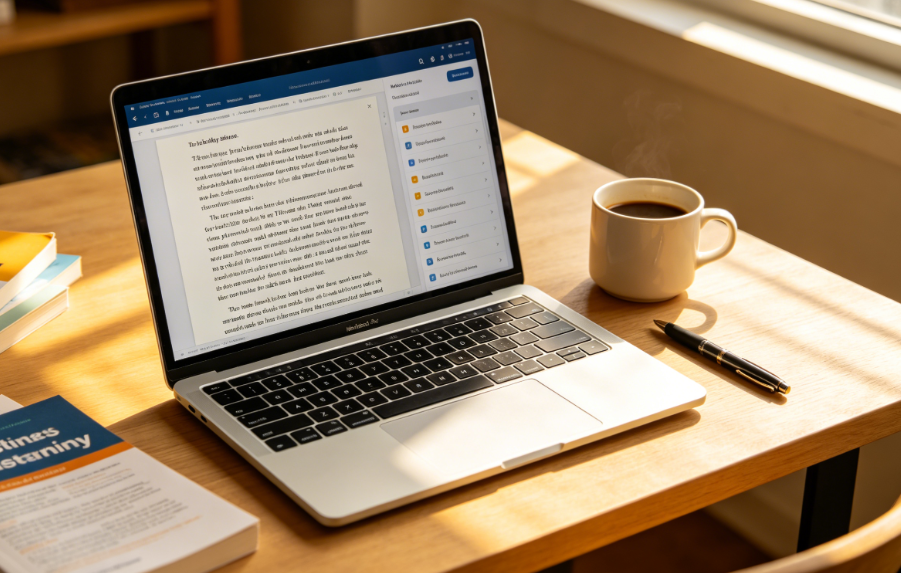
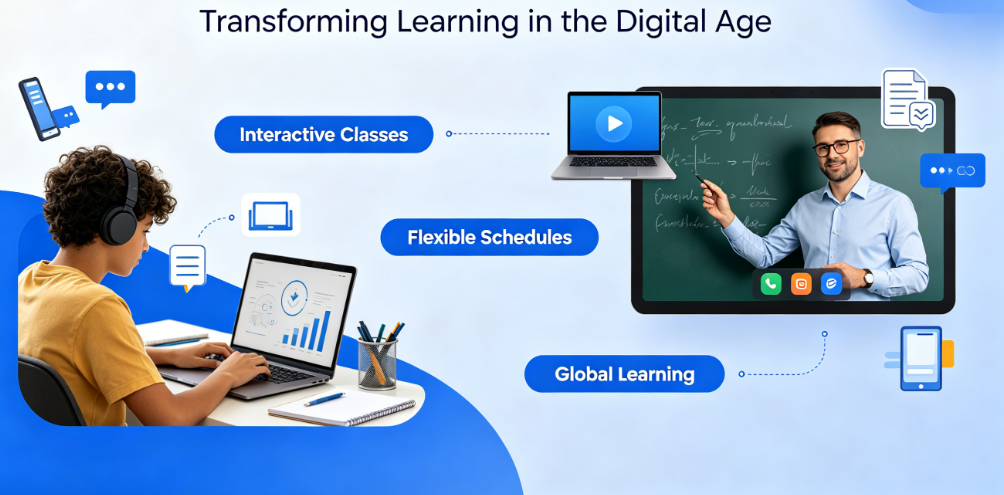
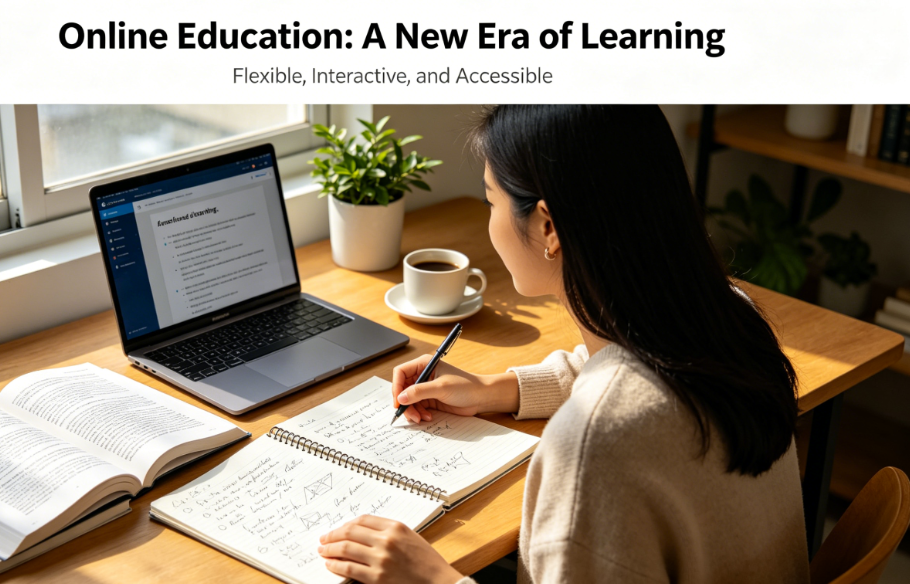
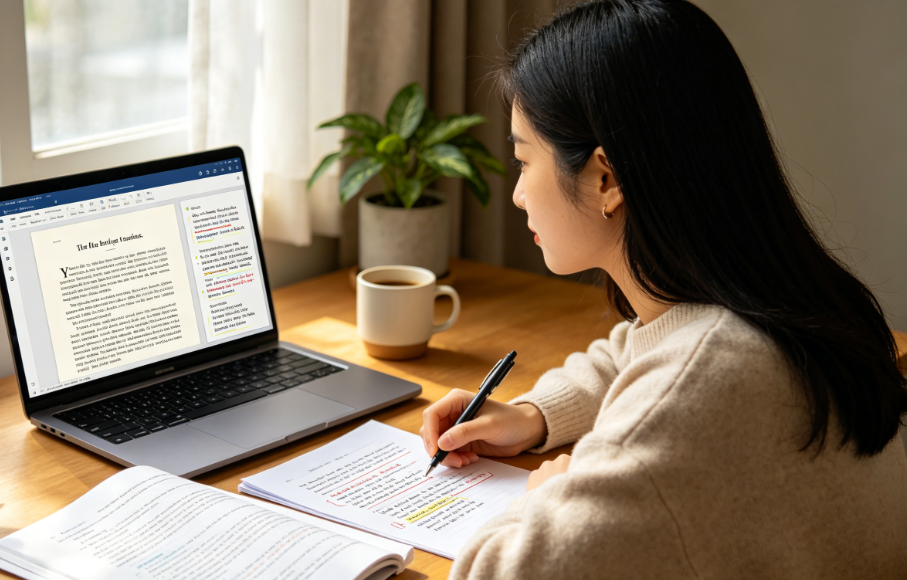
A key reason for online education’s popularity is its ability to fit into busy lives. Unlike traditional in-person classes, which require you to be in a specific place at a specific time, online courses let you learn on your own terms. A college student can review a lecture while commuting, a working parent can study after their kids go to bed, and someone in a remote area can access courses from top schools without moving. This flexibility doesn’t just make learning easier—it makes it possible for people who might otherwise miss out on education to pursue their goals.
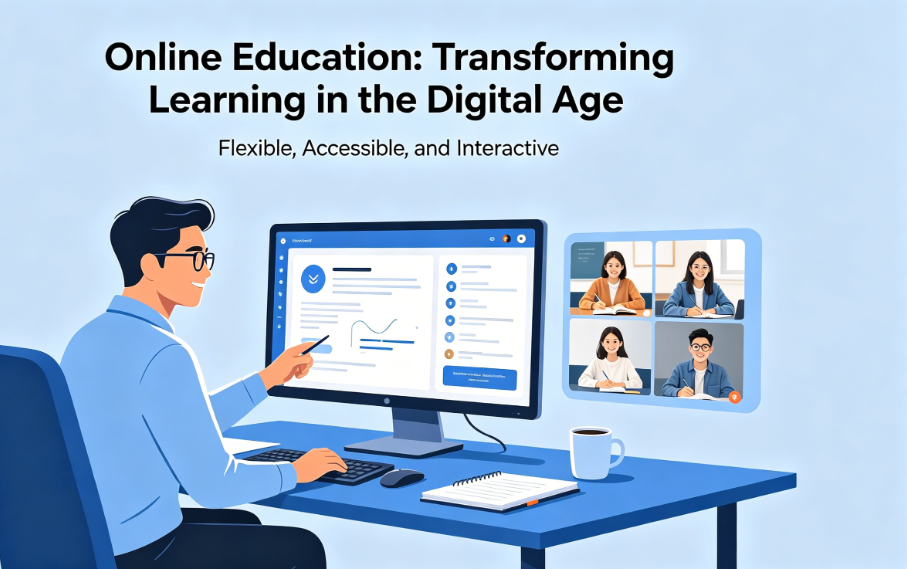
Online education also makes learning more interactive and tailored to individual needs. Many platforms now offer live classes where students can ask questions in real time, discussion boards to connect with peers, and even AI tools that track progress and suggest extra practice. For example, if a student struggles with a math concept, the platform can recommend videos or quizzes to help them master it. This personalization helps learners stay engaged and makes sure they’re not just sitting through lessons, but actually understanding and retaining information.
Of course, online learning isn’t perfect. Some learners miss the face-to-face interaction with teachers and classmates, which can make it hard to stay motivated at times. Others may face challenges with internet access or digital skills, especially in areas where technology is less available. But these issues are being addressed as more organizations work to provide affordable devices and internet access, and as educators learn to make online classes more engaging and supportive.
What’s clear is that online education is here to stay, and it’s only getting better. As technology advances, we’re seeing more innovative ways to learn—from virtual labs for science students to interactive language lessons that feel like real conversations. It’s not replacing traditional classrooms entirely, but rather working alongside them to create a more inclusive, flexible learning system.
In the end, online education is about empowerment. It gives people the freedom to learn what they want, when they want, and where they want. Whether you’re looking to finish a degree, learn a new skill for work, or just explore a hobby, online learning opens the door to endless possibilities. It’s not just changing how we learn—it’s changing who gets to learn, making education a right, not a privilege.