Skin Whitening: Safe Practices, Effective Methods, and Essential Tips for Radiant Skin

For many people, achieving a bright, even, and radiant complexion is a top skincare priority. Skin whitening, often referred to as skin lightening, is a gentle, science-backed approach to reducing excess melanin, fading hyperpigmentation, and evening out skin tone—all while preserving the skin’s natural health and barrier. Unlike harmful, quick-fix methods that can damage the skin, modern skin whitening focuses on nourishing and protecting the skin while delivering visible, long-lasting results. This article explores the fundamentals of skin whitening, safe and effective techniques, key ingredients to look for, and common pitfalls to avoid, helping you embark on a safe journey to brighter skin.
To fully understand skin whitening, it’s important to start with the science of skin color. Melanin, a pigment produced by melanocytes (specialized skin cells), determines the color of your skin, hair, and eyes. Genetics play a primary role in the amount and type of melanin your skin produces, but external factors—such as sun exposure, hormonal fluctuations, pollution, stress, and skin irritation—can trigger overproduction of melanin. This excess melanin leads to dark spots, uneven skin tone, dullness, and hyperpigmentation, which is where skin whitening comes in: it works by either slowing melanin production, breaking down existing melanin deposits, or gently exfoliating the skin to reveal fresher, brighter layers underneath.
The most critical rule in any skin whitening routine is sun protection—without it, no whitening effort will be effective, and existing discoloration will only worsen. UV rays are the number one trigger for melanin production; even short periods of unprotected sun exposure can undo weeks of whitening progress. To protect your skin, apply a broad-spectrum sunscreen with an SPF of 30 or higher every morning, regardless of the weather. Reapply sunscreen every 2 hours when outdoors, and complement it with protective gear like wide-brimmed hats, sunglasses, and long-sleeved clothing to minimize direct sun contact. This not only prevents new dark spots but also preserves the results of your whitening routine.
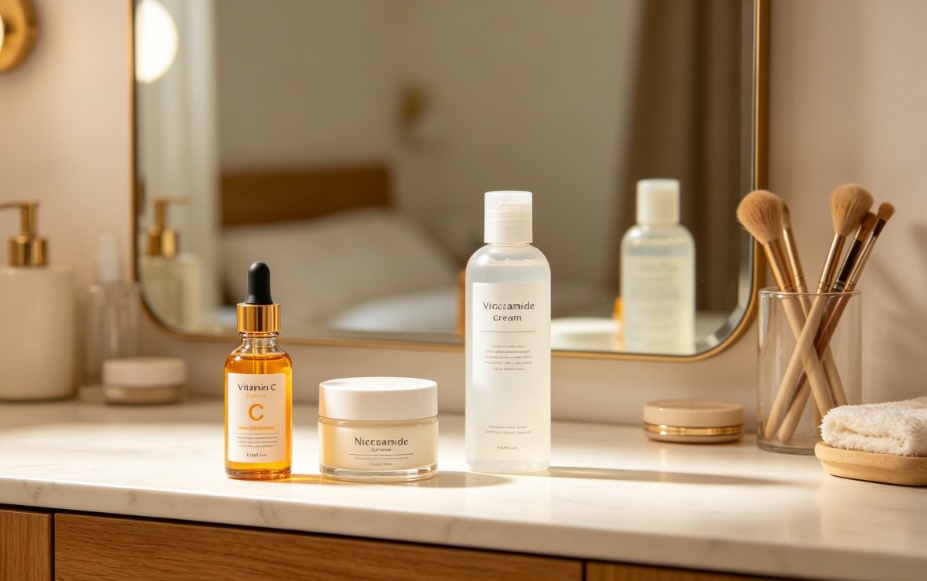
When building a skin whitening routine, choosing the right ingredients is key to safety and effectiveness. Opt for gentle, clinically proven ingredients that target melanin without damaging the skin barrier. Vitamin C (ascorbic acid) is a powerhouse antioxidant that inhibits tyrosinase, the enzyme responsible for melanin production. It also fades existing dark spots, boosts collagen synthesis, and protects the skin from free radical damage, leaving it brighter and more youthful. Niacinamide (vitamin B3) is another gentle yet effective option; it strengthens the skin barrier, reduces hyperpigmentation, calms redness, and works well for all skin types, including sensitive skin.
Other safe and effective whitening ingredients include alpha arbutin, a natural derivative of bearberry extract that gently lightens dark spots without irritation; kojic acid, derived from mushrooms, which inhibits melanin production and is ideal for fading sun spots and post-inflammatory hyperpigmentation; and tranexamic acid, which reduces discoloration caused by hormones (such as melasma) and improves overall skin tone. When using these ingredients, consistency is key—most require 6-8 weeks of daily use to see visible results, and it’s best to start with low concentrations to avoid skin irritation.
Gentle exfoliation is another essential component of skin whitening. Dead skin cells accumulate on the skin’s surface over time, trapping melanin and making the skin appear dull and uneven. Exfoliating helps slough off these dead cells, revealing the brighter, fresher skin underneath and allowing whitening ingredients to penetrate more effectively. Choose mild exfoliants, such as alpha hydroxy acids (AHAs) like glycolic acid or lactic acid, or beta hydroxy acids (BHAs) like salicylic acid. Avoid harsh scrubs that can damage the skin barrier—exfoliate 2-3 times per week, depending on your skin type, to keep the skin smooth and receptive to whitening products.
For those seeking more noticeable results, professional skin whitening treatments, performed by a licensed dermatologist, are a safe option. Laser whitening uses targeted laser energy to break down melanin deposits, fading dark spots and evening out skin tone with minimal downtime. Medium-depth chemical peels use controlled chemical solutions to exfoliate damaged, pigmented skin layers and stimulate the growth of new, brighter skin. Intense Pulsed Light (IPL) therapy uses broad-spectrum light to target melanin and blood vessels, reducing discoloration and improving overall skin radiance. These treatments are effective but require strict post-care, including rigorous sun protection, to maintain results.
It’s important to avoid harmful myths and practices when pursuing skin whitening. One common misconception is that “bleaching” the skin is a valid whitening method—products containing high concentrations of hydroquinone (above 2%), mercury, or steroids can cause severe skin damage, irritation, redness, and even long-term health issues. Always choose products with regulated, safe ingredients and avoid any product that claims “instant whitening” or has unlisted components. Additionally, skin whitening is not about achieving an unnatural, pale tone—it’s about enhancing your skin’s natural radiance, fading discoloration, and achieving an even, healthy complexion that feels authentic to you.
Lifestyle habits also play a role in supporting skin whitening efforts. Drinking plenty of water keeps the skin hydrated, flushes out toxins, and promotes a plump, bright complexion. A diet rich in antioxidants—such as berries, leafy greens, nuts, and citrus fruits—helps protect the skin from free radical damage, which contributes to dullness and hyperpigmentation. Getting 7-8 hours of quality sleep each night allows the skin to repair and regenerate, reducing discoloration and improving overall skin tone. Managing stress through practices like meditation or yoga also helps, as stress can trigger hormonal changes that lead to excess melanin production.
In conclusion, skin whitening is a safe and achievable goal when approached with patience, consistency, and a focus on skin health. By prioritizing sun protection, using gentle, targeted ingredients, incorporating mild exfoliation, and avoiding harmful practices, you can fade discoloration, even out your skin tone, and reveal a brighter, more radiant complexion. Remember, skin whitening is a gradual process—results take time, but with the right routine and habits, you can achieve healthy, glowing skin that makes you feel confident and comfortable in your own skin.