Professional Cosmetic Surgery: What to Know About Choosing a Trusted Hospital
In an era where self-care and personal confidence take center stage, cosmetic surgery has evolved from a niche choice to a mainstream option for those seeking to enhance their appearance, correct physical imperfections, or restore a sense of self-assurance. However, the success and safety of any cosmetic procedure depend largely on the choice of medical facility—opting for a reputable, accredited cosmetic hospital is the first and most crucial step in ensuring a positive and risk-free experience. This article explores the key aspects of cosmetic surgery in a hospital setting, including the range of procedures offered, safety standards, patient care, and how to make an informed decision when choosing a cosmetic hospital.
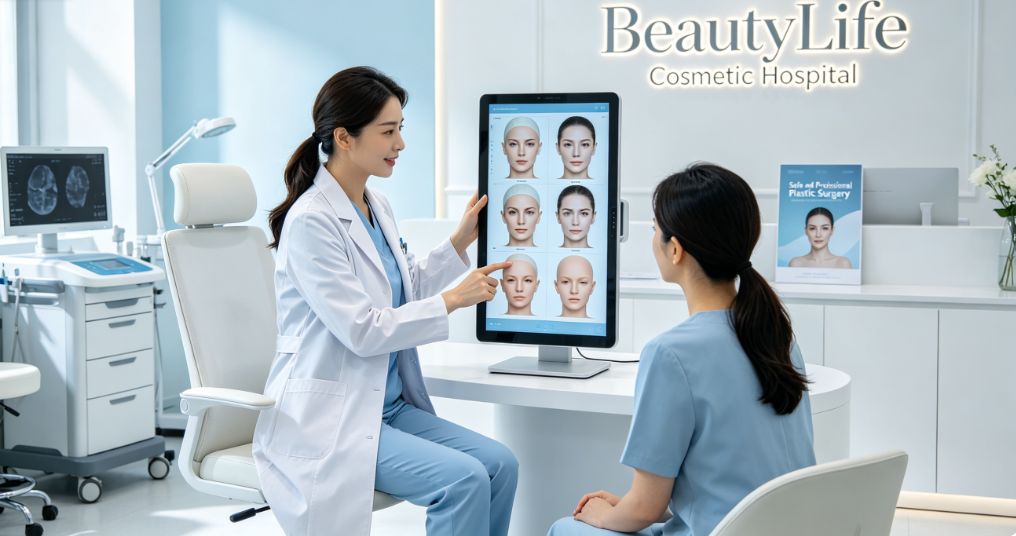
A professional cosmetic hospital is distinguished by its commitment to medical excellence, patient safety, and personalized care—factors that set it apart from unregulated clinics or non-medical settings. Unlike smaller facilities, cosmetic hospitals are equipped with state-of-the-art medical technology, sterile operating rooms, and a full team of qualified professionals, including board-certified plastic surgeons, anesthesiologists, specialized nurses, and aesthetic consultants. These teams work together to provide comprehensive care, from the initial consultation to post-operative recovery, ensuring every step of the process is guided by medical expertise and attention to detail.
One of the primary advantages of choosing a cosmetic hospital is the wide range of procedures available, tailored to meet diverse patient needs and goals. Facial cosmetic procedures are among the most sought-after, including rhinoplasty (nose reshaping), blepharoplasty (eyelid surgery), facelifts, and non-surgical treatments like dermal fillers and Botox. Rhinoplasty not only addresses aesthetic concerns—such as a crooked nose, large nostrils, or uneven bridge—but can also correct functional issues like difficulty breathing. Blepharoplasty targets sagging eyelids, under-eye bags, and excess skin, creating a more alert and youthful appearance. Facelifts, meanwhile, address signs of aging such as loose skin, wrinkles, and loss of facial volume, helping patients achieve a refreshed, natural look.
Body contouring and breast procedures are also prominent offerings in cosmetic hospitals. Liposuction is a popular choice for removing stubborn fat deposits from areas like the abdomen, thighs, hips, and arms, sculpting a more balanced and toned silhouette. Tummy tucks (abdominoplasty) tighten loose abdominal muscles and remove excess skin, often recommended for patients who have experienced significant weight loss or pregnancy. Breast procedures, including augmentation, reduction, and reconstruction, are customized to each patient’s desired size and shape, with a focus on achieving natural-looking results that complement their body type.
Safety is the cornerstone of any reputable cosmetic hospital. All procedures are performed in compliance with strict medical standards, with pre-operative evaluations to ensure patients are in good health and suitable for surgery. These evaluations typically include blood tests, imaging studies, and a detailed review of the patient’s medical history to identify any potential risks or contraindications. During surgery, patients are monitored closely by anesthesiologists and medical staff, with emergency care readily available if needed. Post-operatively, patients receive personalized care plans to promote healing, reduce discomfort, and minimize the risk of complications such as infection or scarring.
Choosing the right cosmetic hospital requires careful research and consideration. Patients should prioritize facilities that are accredited by recognized medical bodies, as this ensures the hospital meets rigorous standards for safety, hygiene, and medical practice. It is also essential to verify that the surgeons performing the procedures are board-certified, with extensive experience in the specific procedure being sought. Reading patient reviews, viewing before-and-after photos of previous patients, and scheduling a consultation to discuss goals and concerns can help patients feel confident in their choice.
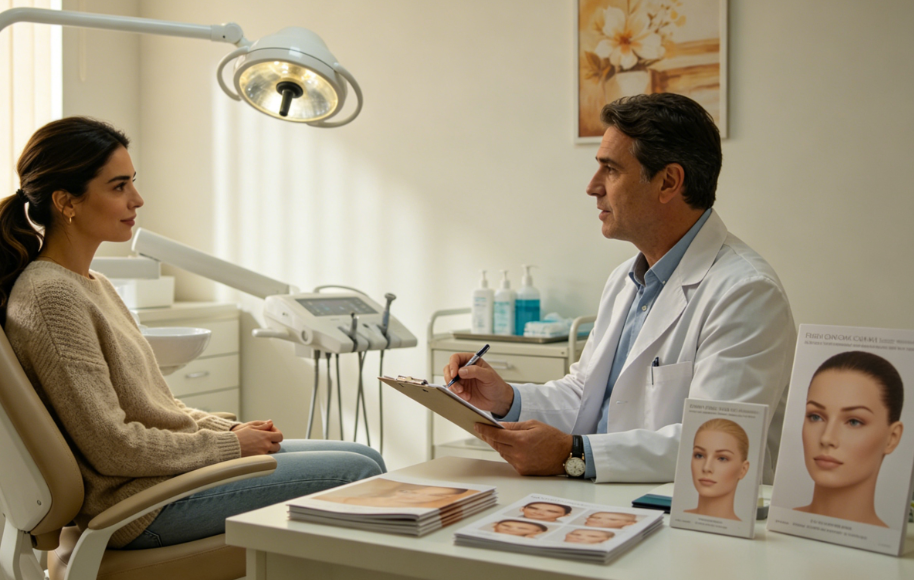
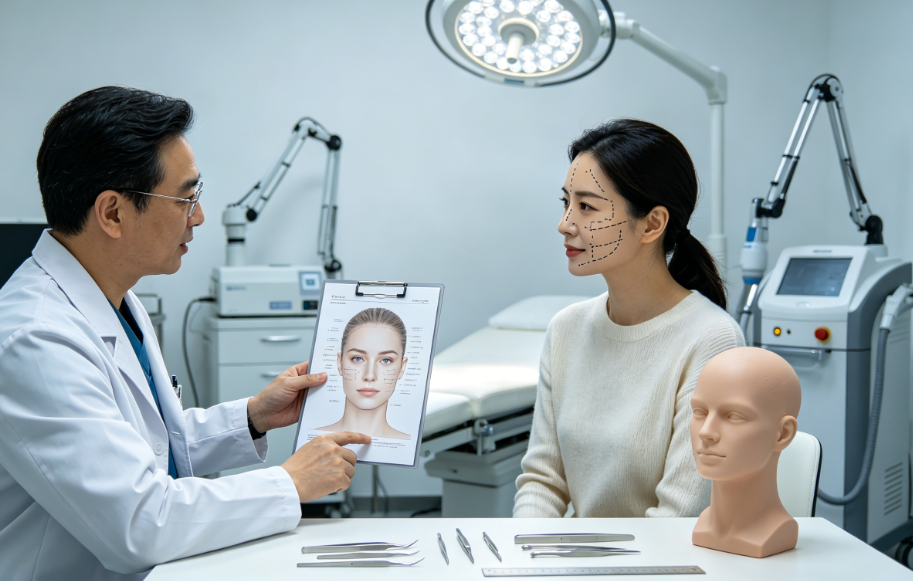
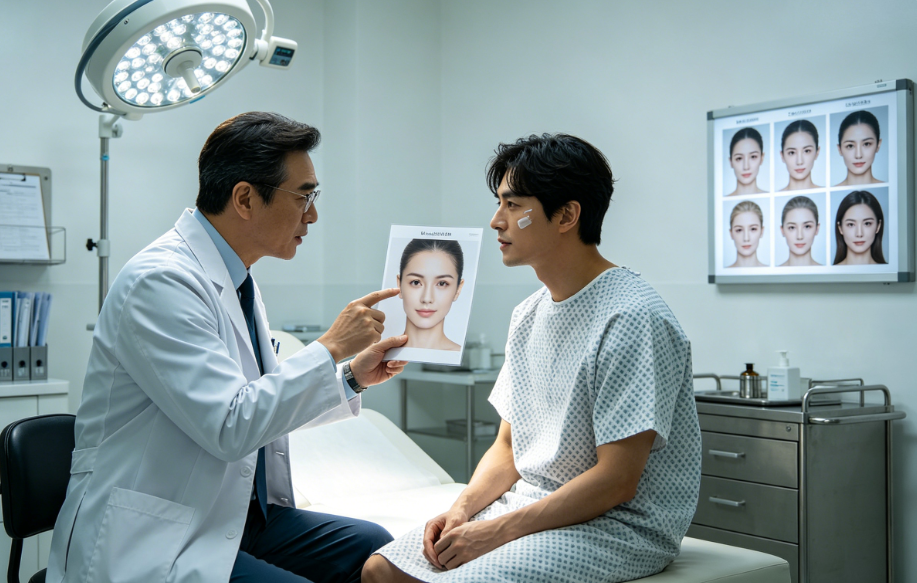
The consultation process is a critical part of the cosmetic surgery journey. During this meeting, the plastic surgeon will assess the patient’s anatomy, discuss their aesthetic goals, and provide realistic expectations about the results. They will also explain the procedure in detail, including the steps involved, recovery time, potential risks, and any necessary pre-operative preparations. This open communication ensures that patients are fully informed and comfortable before proceeding with surgery.
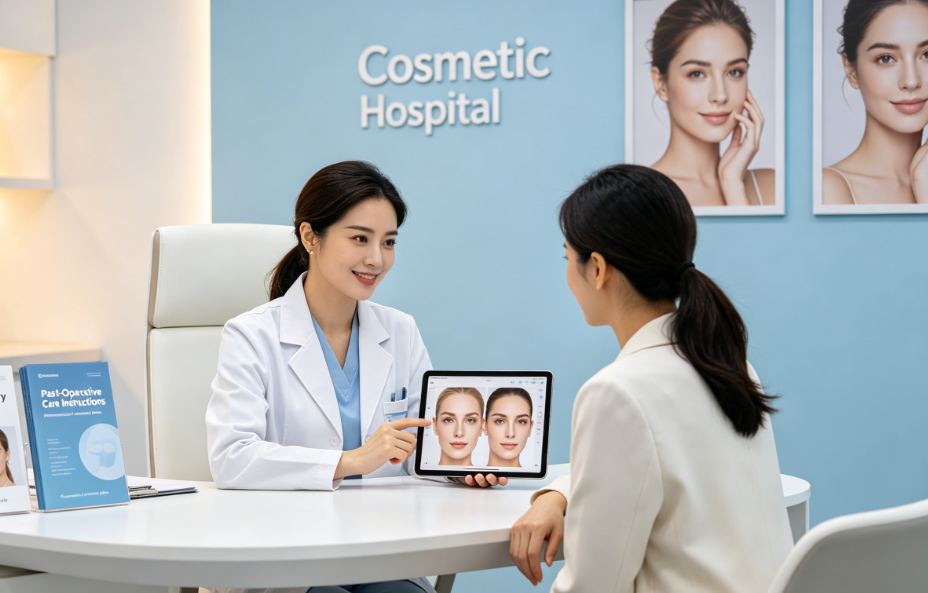
Post-operative care is another key component of a successful cosmetic surgery experience. Cosmetic hospitals provide ongoing support to patients during their recovery, including wound care instructions, pain management, and follow-up appointments to monitor healing. Patients are advised to avoid strenuous activities, protect the surgical area from sun exposure, and follow a healthy diet to support the body’s natural healing process. For more invasive procedures, the hospital may offer overnight stays or in-person check-ins to ensure patients are recovering properly.
It is important to remember that cosmetic surgery is a personal choice, and there is no “one-size-fits-all” approach. A reputable cosmetic hospital will prioritize the patient’s individual needs, working to create results that enhance their natural features rather than drastically altering their appearance. The goal is to help patients feel more confident and comfortable in their own skin, whether through a minor enhancement or a more comprehensive procedure.
In summary, cosmetic surgery in a professional hospital offers a safe, reliable way to achieve aesthetic goals, backed by medical expertise and personalized care. By choosing an accredited facility with board-certified surgeons, patients can minimize risks and ensure a positive outcome. From the initial consultation to post-operative recovery, a trusted cosmetic hospital provides the support and guidance needed to make the cosmetic surgery journey a smooth and rewarding one—helping patients look and feel their best for years to come.