How to Rent an Apartment: A Complete Guide for Tenants

Renting an apartment is a significant life step, whether you’re a first-time renter, relocating to a new city, or looking to upgrade your living space. It combines excitement with practical decision-making, and knowing the right steps to take can turn a stressful process into a smooth one. This guide breaks down everything you need to know to find, secure, and enjoy your ideal rental apartment—from setting a budget to understanding your rights as a tenant.
1. Set a Realistic Budget
Before you start browsing apartment listings, take time to define your budget. A golden rule in renting is that your monthly rent should not exceed 30% of your net monthly income. This ensures you have enough funds left for utilities (water, electricity, internet), groceries, transportation, and other essential expenses. Don’t forget to factor in one-time costs: a security deposit (usually 1–2 months’ rent), application fees, moving costs, and renter’s insurance (a must-have to protect your personal belongings from theft, fire, or damage).
2. Define Your Must-Haves (and Nice-to-Haves)
To narrow down your search, list your non-negotiable needs and optional wants. Must-haves might include:
- The number of bedrooms/bathrooms (e.g., 1 bedroom for a single person, 2 for a small family)
- Location (close to work, school, or public transportation)
- In-unit amenities (washer/dryer, air conditioning, storage space)
- Pet-friendly policies (if you have a furry friend)
Nice-to-haves could be a balcony, a fitness center in the building, or proximity to cafes and shops. Being clear about these priorities will save you time and prevent you from falling for an apartment that doesn’t fit your lifestyle.
3. Search for Apartments Strategically
Gone are the days of only checking local newspapers for rentals. Today, most renters use online platforms to find their perfect space:
- Rental Websites: Platforms like Zillow, Apartments.com, and Rent.com let you filter listings by price, location, amenities, and more.
- Local Groups: Facebook groups or community boards often have private rentals from landlords, which may be more affordable.
- Real Estate Agents: If you’re short on time, a local agent can help you find options that match your criteria.
When browsing listings, pay attention to photos and descriptions—look for clear images of the apartment (not just stock photos) and details about the neighborhood. If a listing seems too good to be true (e.g., a cheap apartment in a prime location), it likely is—always verify the details.
4. Inspect the Apartment In-Person
Never sign a lease without seeing the apartment in person. During your visit, check for:
- Damage: Scratches, stains, or broken fixtures (take photos to document these—you won’t be held responsible for pre-existing damage later).
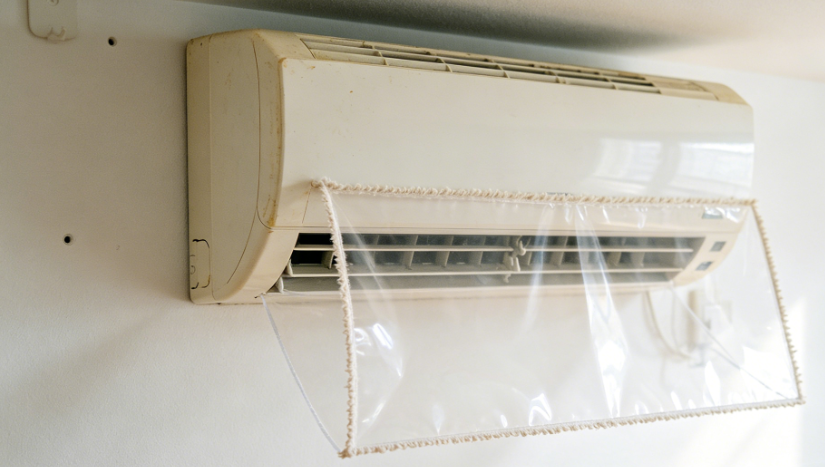
- Functionality: Test the lights, faucets, appliances, and air conditioning/heating to ensure they work.
- Safety: Check that locks are secure, windows open/close properly, and there are no hazards (e.g., exposed wires, water leaks).
- Neighborhood Vibe: Visit the area at different times of the day to get a sense of noise levels, traffic, and safety.
Don’t be afraid to ask questions: How old is the building? Are there any ongoing repairs? What’s the process for reporting maintenance issues?
5. Understand the Lease Agreement
A lease is a legally binding contract—never sign it without reading every word. Key terms to look for:
- Lease Duration: Most leases are 6–12 months, but short-term options (month-to-month) are available for flexibility.
- Rent Details: The monthly rent amount, due date, and late fees (if any).
- Security Deposit: How much it is, when it will be returned, and what could cause deductions (e.g., damage, unpaid rent).
- Maintenance Responsibilities: Who is responsible for repairs (landlords usually handle major issues; tenants handle minor ones like changing light bulbs).
- Restrictions: Rules about pets, smoking, subletting, or making changes to the apartment.
If any clause is unclear, ask the landlord or a legal professional for clarification—never sign a lease you don’t fully understand.
6. Protect Your Rights as a Tenant
As a tenant, you have legal rights that vary by location, but some universal protections include:
- The right to a safe, habitable living space (landlords must fix major issues like mold, leaks, or faulty wiring).
- Protection from unfair eviction (landlords can’t kick you out without proper notice and a valid reason).
- The right to privacy (landlords can’t enter your apartment without advance notice, except in emergencies).
If you encounter problems (e.g., the landlord refuses to make repairs), document all communication (emails, texts) and contact your local housing authority for help.
7. Settle In and Make It Your Own
Once you’ve signed the lease and moved in, take steps to make the apartment feel like home:
- Document the apartment’s condition again (photos/videos) to avoid disputes when you move out.
- Set up utilities (water, electricity, internet) in your name.
- Add personal touches: hang artwork, bring in plants, or rearrange furniture to fit your style.
Remember, your rental apartment is more than just a place to live—it’s a space where you’ll create memories, relax, and thrive.
Final Thoughts
Renting an apartment is a journey that requires planning, patience, and attention to detail. By setting a budget, defining your needs, inspecting properties carefully, and understanding your lease and rights, you can find a rental that fits your lifestyle and budget. With this guide, you’ll be well-equipped to navigate the rental process and turn your new apartment into a comfortable, happy home.