How to Rent an Apartment: A Complete Guide for Tenants and Landlords
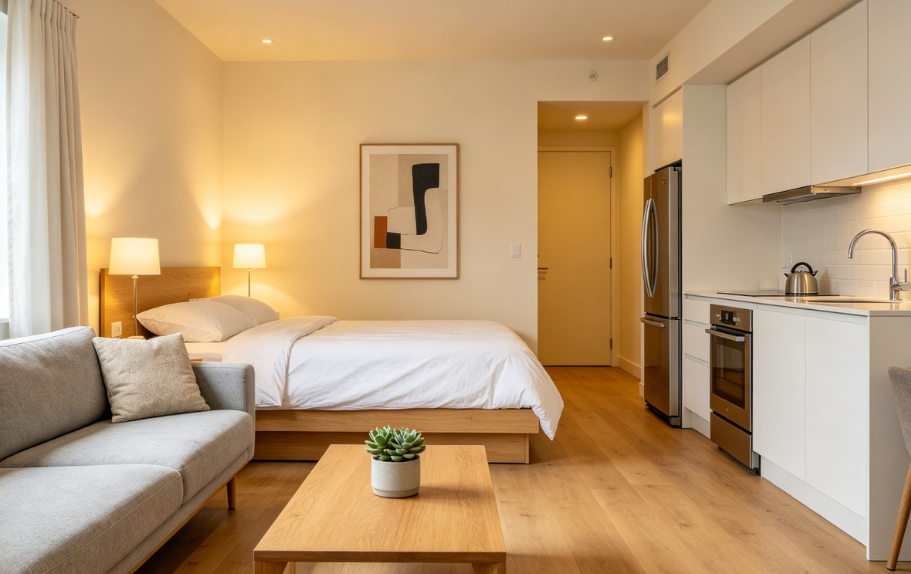
Renting an apartment is one of the most common life transitions, whether you’re a young professional moving to a new city, a student starting college, or a family looking for a flexible living arrangement. While it can be an exciting step toward independence and a fresh start, the rental process often comes with questions, paperwork, and important decisions. This article breaks down the entire apartment rental journey—from defining your needs to signing a lease and settling in—providing practical advice for both tenants and landlords to ensure a smooth, stress-free experience.

For Tenants: Finding Your Perfect Rental Apartment
The first and most crucial step in renting an apartment is to clearly define your priorities and budget. Start by calculating how much you can realistically afford to spend on rent each month. Financial experts recommend that rent (including utilities like water, electricity, internet, and gas) should not exceed 30% of your monthly net income. This ensures you have enough funds left for other essential expenses, savings, and leisure.
Next, consider your lifestyle and location needs. Ask yourself: Do you need to be close to your workplace or school? Is access to public transportation a must? Do you prefer a quiet residential neighborhood or a lively area with restaurants, cafes, and shops nearby? Are you looking for a studio, a one-bedroom, or a larger apartment to accommodate roommates or family? Answering these questions will help narrow down your search and save time.
Once you have a clear budget and location in mind, start your search. In today’s digital age, most apartment hunting is done online through rental platforms like Zillow, Apartments.com, and local real estate websites. These platforms allow you to filter listings by price, location, number of bedrooms, and amenities (such as in-unit laundry, parking, a gym, or a balcony). Many listings also include virtual tours, which are especially helpful if you’re moving from out of town and can’t visit in person.
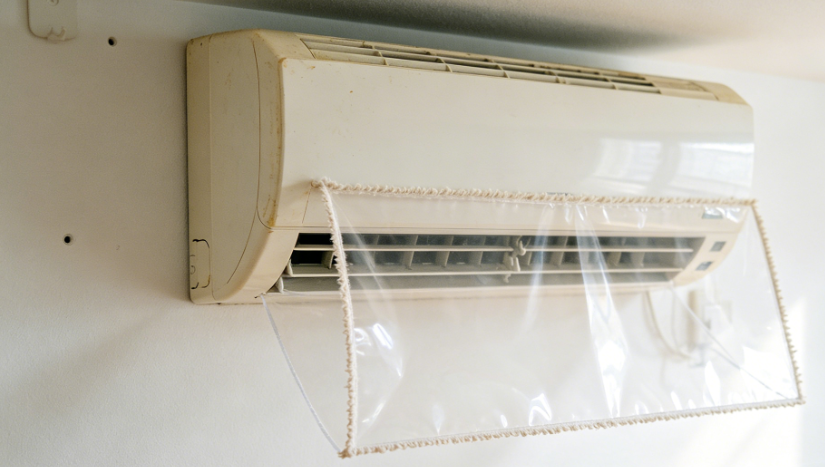
When you find a few promising apartments, schedule in-person viewings. This is your chance to inspect the space thoroughly: check for signs of damage, test appliances (like the stove, refrigerator, and air conditioner), and ask the landlord or property manager questions about maintenance, noise levels, and neighborhood safety. Don’t forget to ask about lease terms, such as the length of the lease, security deposit requirements, pet policies, and whether utilities are included in the rent. It’s also a good idea to visit the neighborhood at different times of the day to get a sense of traffic, noise, and the overall vibe.
Understanding the Lease Agreement: Key Terms to Know
A lease agreement is a legally binding contract between you (the tenant) and the landlord, so it’s essential to read and understand every term before signing. Here are some key clauses to pay close attention to:
- Lease Duration: Most leases are 6 months to 1 year, but short-term leases (1–3 months) are also available for those who need flexibility. Be sure to confirm the start and end dates, and ask about renewal options.
- Rent Details: The monthly rent amount, due date, and late fees (if any) should be clearly stated. Also, check if the rent will increase during the lease term and by how much.
- Security Deposit: This is a sum of money (usually equal to 1–2 months’ rent) paid upfront to cover any damage to the apartment or unpaid rent. Ask about the conditions for getting your deposit back when you move out.
- Maintenance Responsibilities: Clarify who is responsible for repairs (e.g., a broken faucet, a faulty heater). Most landlords are responsible for major repairs, while tenants are responsible for minor issues like changing light bulbs or unclogging drains.
- Restrictions: Some leases may include rules about smoking, pets, subletting, or making modifications to the apartment. Make sure these restrictions align with your lifestyle before signing.
If you have any questions or concerns about the lease, don’t hesitate to ask the landlord or consult a legal professional. Never sign a lease you don’t fully understand—this can help you avoid disputes later on.
For Landlords: Attracting Quality Tenants and Managing Your Rental
If you’re a landlord looking to rent out your apartment, attracting and retaining quality tenants is key to a successful rental experience. Here are some tips to help you:
First, prepare the apartment for rent. Clean it thoroughly, make any necessary repairs (such as fixing leaky faucets or repainting walls), and stage it to highlight its best features. High-quality photos and a detailed listing description are essential—be honest about the apartment’s size, amenities, and location. Include information about nearby attractions, public transportation, and utilities to help potential tenants make an informed decision.
Next, set a competitive rent price. Research similar apartments in your area to ensure your rent is fair and in line with the market. You may also want to offer incentives, such as a free month’s rent or a waived security deposit, to attract tenants quickly.
When screening potential tenants, conduct a thorough background check. This includes checking their credit history, rental history (to ensure they have a good track record of paying rent on time), and employment verification (to confirm they can afford the rent). You can also ask for references from previous landlords.
Once you’ve rented out the apartment, maintain open communication with your tenants. Respond promptly to maintenance requests, conduct regular inspections (with proper notice), and be clear about your expectations. Staying up-to-date with local rental laws and regulations is also important—this helps protect both you and your tenants.
Settling Into Your New Apartment: Tips for a Smooth Transition
After signing the lease and moving in, there are a few steps to take to make the transition as smooth as possible:
- Document the Apartment’s Condition: Take photos or videos of every room, including any existing damage (such as scuffs on the walls or a cracked countertop). Share these with your landlord to avoid disputes when you move out.
- Set Up Utilities: Contact the local water, electricity, gas, and internet providers to activate service in your name. Ask your landlord if any utilities are included in the rent.
- Familiarize Yourself with the Space: Locate emergency exits, garbage and recycling areas, and the main shut-off valves for water and gas. Test the smoke detectors and carbon monoxide detectors to ensure they’re working.
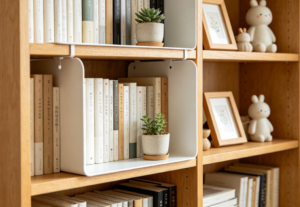
- Make It Your Own: Add personal touches like furniture, decor, and plants to turn your rental into a home. Just be sure to check your lease before making any modifications (such as painting the walls or hanging shelves).
- Build Relationships: Introduce yourself to your neighbors and property manager. This can be helpful if you have questions or need assistance later on.
Common Rental Challenges and How to Overcome Them
Renting an apartment can come with challenges, but being prepared can help you navigate them smoothly:
- Maintenance Issues: If something breaks in the apartment, report it to your landlord immediately in writing (email is best, so you have a record). Follow up if the issue isn’t resolved within a reasonable time.
- Rent Increases: Landlords may raise rent at the end of the lease term, but they must give you proper notice (usually 30–60 days, depending on local laws). If you can’t afford the increase, you can negotiate with your landlord or start searching for a new apartment.
- Disputes with Roommates/Neighbors: Communication is key. If you have a disagreement with a roommate or neighbor, try to resolve it calmly and respectfully. If the issue persists, involve your landlord or property manager.
Conclusion
Renting an apartment is a journey that requires careful planning, communication, and attention to detail—whether you’re a tenant searching for your perfect home or a landlord looking to manage your rental effectively. By defining your needs, understanding lease terms, and staying informed about your rights and responsibilities, you can make the rental process a positive experience. Remember, your rental apartment is more than just a place to live—it’s a space where you’ll create memories, grow, and feel at home.