A Comprehensive Guide to New House Design
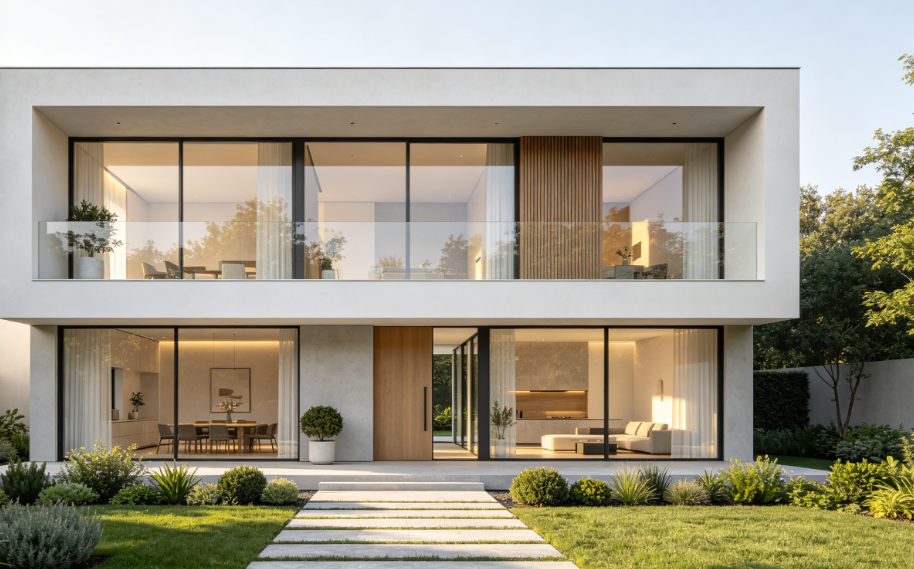
Designing a new house is an exciting yet intricate journey that combines creativity, functionality, and personal taste. It is not just about creating a visually appealing space but also about crafting a home that aligns with your lifestyle, meets your practical needs, and stands the test of time. Whether you are building a house from scratch or renovating a new property, this guide will walk you through the key steps and considerations to ensure your new house design is both beautiful and functional.
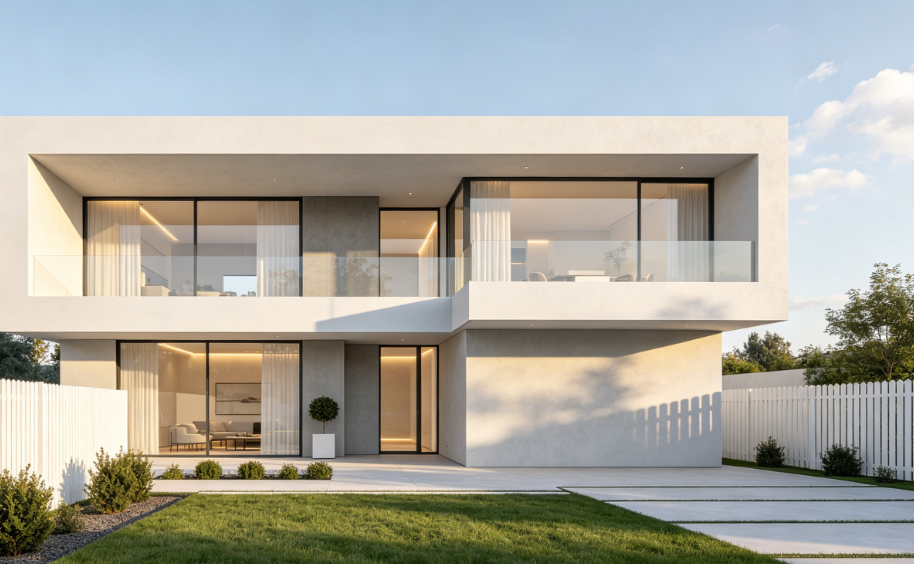
1. Define Your Design Goals and Lifestyle
Before diving into specific design elements, it is essential to clarify your goals and lifestyle needs. Start by asking yourself a few key questions: How many people will live in the house? Do you work from home and need a dedicated office space? Are you planning to grow your family and need extra bedrooms? Do you enjoy entertaining guests and require an open, spacious living area? Your answers will serve as the foundation of your design, guiding every decision from room layout to material selection.
Additionally, consider your long-term plans. A house designed for a young couple may need to evolve as their family grows, so incorporating flexible spaces that can be repurposed is a smart choice. For example, a home office could double as a guest room with a fold-out sofa, or a playroom could transition into a teenager’s bedroom as your children get older.
2. Choose a Design Style That Resonates With You
There are countless design styles to choose from, each with its own unique aesthetic and characteristics. Take the time to explore different styles and identify which one best reflects your personality and preferences. Some popular options include:
- Modern Minimalism: Characterized by clean lines, neutral colors, and a focus on simplicity. This style emphasizes open spaces, natural light, and functional furniture with minimal ornamentation.
- Scandinavian: Inspired by Nordic design, this style features light, bright spaces, natural materials (such as wood and wool), and a blend of functionality and coziness. It often includes soft pastels and geometric patterns.
- Industrial: Drawing inspiration from old factories and warehouses, industrial design uses exposed brick, metal, concrete, and raw materials. It has a rugged, edgy aesthetic with a focus on functionality.
- Bohemian: A free-spirited style that combines vibrant colors, patterns, and textures. It often includes vintage furniture, handmade decor, and a mix of cultural influences.
- Traditional: Timeless and elegant, traditional design features classic furniture, symmetrical layouts, rich colors, and intricate details such as crown molding and wainscoting.
You don’t have to stick to one style exclusively—many homeowners opt for a mix of styles (known as eclectic design) to create a unique space that feels personal. The key is to maintain consistency in color palettes and design elements to ensure the space feels cohesive.
3. Prioritize Space Planning and Flow
Space planning is one of the most critical aspects of new house design. A well-planned space will feel intuitive and functional, while a poorly planned one can lead to frustration and wasted space. Start by mapping out the layout of each room, considering factors such as traffic flow, furniture placement, and the relationship between rooms.
For open-concept spaces (which are popular in modern homes), ensure that the transition between the living room, dining room, and kitchen is smooth and logical. Avoid creating narrow pathways or blocking natural light with furniture. In bedrooms, prioritize privacy and comfort—position the bed away from the door and ensure there is enough space to move around freely. Bathrooms should be designed with functionality in mind, including adequate storage, proper ventilation, and easy access to fixtures.
Another important consideration is storage. Every home needs ample storage space to keep clutter at bay. Incorporate built-in cabinets, closets, and shelving in key areas such as the kitchen, bedrooms, and entryway. Think about hidden storage solutions, such as under-bed drawers or built-in benches with storage, to maximize space without sacrificing style.
4. Focus on Lighting Design
Lighting plays a crucial role in setting the mood of a space and enhancing its functionality. A well-designed lighting plan includes three types of lighting: ambient, task, and accent.
- Ambient Lighting: This is the main source of light in a room, providing overall illumination. Examples include ceiling fixtures, chandeliers, and recessed lighting. Ambient lighting should be soft and even to create a warm, inviting atmosphere.
- Task Lighting: Designed for specific activities such as reading, cooking, or working. Task lighting should be bright and focused—think desk lamps, under-cabinet lighting in the kitchen, or vanity lights in the bathroom.
- Accent Lighting: Used to highlight specific features in a room, such as artwork, architectural details, or plants. Examples include spotlights, wall sconces, and table lamps. Accent lighting adds depth and visual interest to a space.
Natural light is also an important part of lighting design. Maximize natural light by incorporating large windows, skylights, and glass doors. Not only does natural light make a space feel brighter and more spacious, but it also has numerous health benefits, including boosting mood and vitamin D levels.
5. Select Materials and Finishes Wisely
The materials and finishes you choose will have a significant impact on the look, feel, and durability of your new house. When selecting materials, consider factors such as durability, maintenance, cost, and aesthetic appeal.
For flooring, options include hardwood, laminate, vinyl, tile, and carpet. Hardwood is timeless and durable but requires regular maintenance; vinyl is affordable and easy to clean, making it a good choice for high-traffic areas; tile is water-resistant and ideal for bathrooms and kitchens. For countertops, popular options include granite, quartz, marble, and concrete. Granite is durable and heat-resistant, while quartz is low-maintenance and available in a wide range of colors.
Finishes such as paint, hardware, and fixtures also play a role in the overall design. Choose a paint color that complements your design style and creates the desired mood—light colors make a space feel larger and brighter, while dark colors add warmth and intimacy. Hardware (such as cabinet handles and door knobs) and fixtures (such as faucets and light fixtures) should be consistent in style to maintain a cohesive look.
6. Work With Professionals (If Needed)
Designing a new house can be a complex process, and working with professionals can help ensure that your vision is realized. Architects can help with the overall layout and structural design of the house, while interior designers can assist with selecting materials, furniture, and decor. If you are building a house from scratch, a general contractor will oversee the construction process and ensure that everything is built to code.
When working with professionals, be clear about your goals, budget, and timeline. Communication is key—make sure you discuss your ideas and preferences openly, and don’t be afraid to ask questions. A good professional will listen to your needs and offer guidance and suggestions to help you create the home of your dreams.
7. Finalize and Refine Your Design
Once you have considered all the key elements, it’s time to finalize your design. Review your plans carefully, and make any necessary adjustments. Consider creating a mood board or 3D rendering to visualize the space and ensure that all elements work together harmoniously. Don’t forget to factor in your budget—prioritize the elements that are most important to you, and be willing to make compromises on less essential features.
Remember, your new house design should be a reflection of you and your lifestyle. It’s not about following trends blindly but about creating a space that feels comfortable, functional, and uniquely yours. With careful planning and attention to detail, you can design a home that you will love for years to come.