Prevent Obesity: Practical Ways to Maintain a Healthy Weight
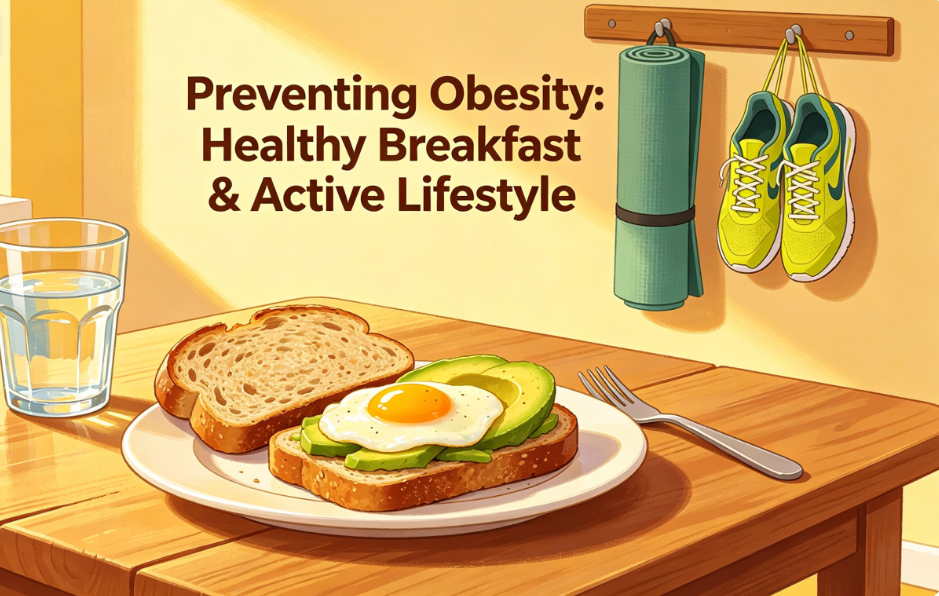
Obesity has become a global health crisis, affecting millions of people of all ages and backgrounds. It not only impacts physical appearance but also increases the risk of serious health conditions, including type 2 diabetes, heart disease, high blood pressure, and joint problems. The good news is that obesity is preventable with simple, sustainable lifestyle changes. This article shares science-backed tips to help you avoid weight gain, maintain a healthy body, and reduce your risk of obesity.

Understand the Root Causes of Obesity
Obesity occurs when the number of calories you consume exceeds the number of calories your body burns over time. This energy imbalance leads to excess fat storage, which gradually accumulates and contributes to weight gain. Common factors that increase the risk of obesity include:
- A diet high in processed foods, added sugars, and unhealthy fats
- Sedentary lifestyle with little to no physical activity
- Poor sleep habits, which disrupt hunger hormones
- Emotional eating or stress-related overeating
- Genetic factors, though lifestyle still plays a more significant role
Practical Tips to Prevent Obesity
1. Adopt a Balanced, Nutritious Diet
The foundation of obesity prevention lies in healthy eating. Focus on whole, unprocessed foods that nourish your body without excess calories:
- Fill half your plate with non-starchy vegetables (e.g., spinach, broccoli, bell peppers) and fruits (e.g., apples, berries, oranges) — they are low in calories and high in fiber, keeping you full longer.
- Choose lean proteins, such as chicken breast, fish, beans, lentils, and Greek yogurt, to support muscle health and reduce cravings.
- Opt for whole grains (brown rice, quinoa, whole wheat bread) over refined grains (white bread, pastries), as they provide more fiber and keep you satisfied.
- Limit added sugars, fried foods, and sugary drinks (soda, sweetened juices, energy drinks) — these are high in empty calories and contribute to weight gain.
- Practice mindful eating: eat slowly, savor each bite, and stop when you feel 80% full to avoid overeating.
2. Stay Active Every Day
Physical activity is key to burning calories and maintaining a healthy weight. You don’t need intense workouts — even small, consistent efforts make a big difference:
- Aim for at least 30 minutes of moderate physical activity most days of the week. This can include brisk walking, cycling, swimming, dancing, or gardening.
- Incorporate movement into your daily routine: take the stairs instead of the elevator, walk or bike to nearby places, or do quick stretching exercises during breaks.
- For those with busy schedules, split activity into shorter sessions (e.g., three 10-minute walks throughout the day) — it’s just as effective as one long session.
3. Prioritize Quality Sleep
Sleep plays a crucial role in weight management. When you don’t get enough sleep (less than 7 hours per night), your body’s hunger hormones get out of balance: ghrelin (the “hunger hormone”) increases, and leptin (the “fullness hormone”) decreases. This leads to stronger cravings for high-calorie, sugary foods. Aim for 7–9 hours of quality sleep each night to keep these hormones in check.
4. Manage Stress and Emotional Eating
Chronic stress and negative emotions often lead to emotional eating — turning to comfort foods (high in sugar, fat, or salt) to cope. To avoid this:
- Identify your stress triggers and find healthy ways to manage them (e.g., meditation, deep breathing, listening to music, or talking to a friend).
- Keep healthy snacks (like nuts, fruit, or veggie sticks) on hand for when cravings strike, instead of reaching for unhealthy options.
- Practice self-compassion: if you occasionally indulge in a treat, don’t guilt-trip yourself — focus on getting back to your healthy habits the next day.
5. Avoid Fad Diets and Focus on Sustainability
Extreme diets that promise rapid weight loss (e.g., cutting entire food groups, very low-calorie intake) are hard to maintain long-term and often lead to rebound weight gain. Instead of quick fixes, focus on sustainable habits:
- Make small, gradual changes (e.g., swapping soda for water, adding one vegetable to each meal) — these are easier to stick to than drastic overhauls.
- Don’t view healthy eating as a “diet” — think of it as a lifelong lifestyle choice, not a temporary restriction.
Key Reminders for Long-Term Success
Preventing obesity is not about perfection — it’s about consistency. Even small, daily choices add up over time. Remember:
- Weight management is a journey, not a destination. It’s normal to have occasional setbacks; what matters is getting back on track.
- Surround yourself with support: share your goals with family or friends, or join a community of people working toward similar health goals.
- Regularly check in with yourself: monitor your weight, energy levels, and how you feel — adjust your habits as needed to stay on track.
By making these simple, sustainable changes to your diet, activity level, sleep, and stress management, you can significantly reduce your risk of obesity and enjoy a healthier, more active life. Obesity is not inevitable — with awareness and intentional choices, you can protect your health and maintain a weight that feels good for your body.