Healthy Eating and Obesity: Breaking the Cycle for a Balanced Life
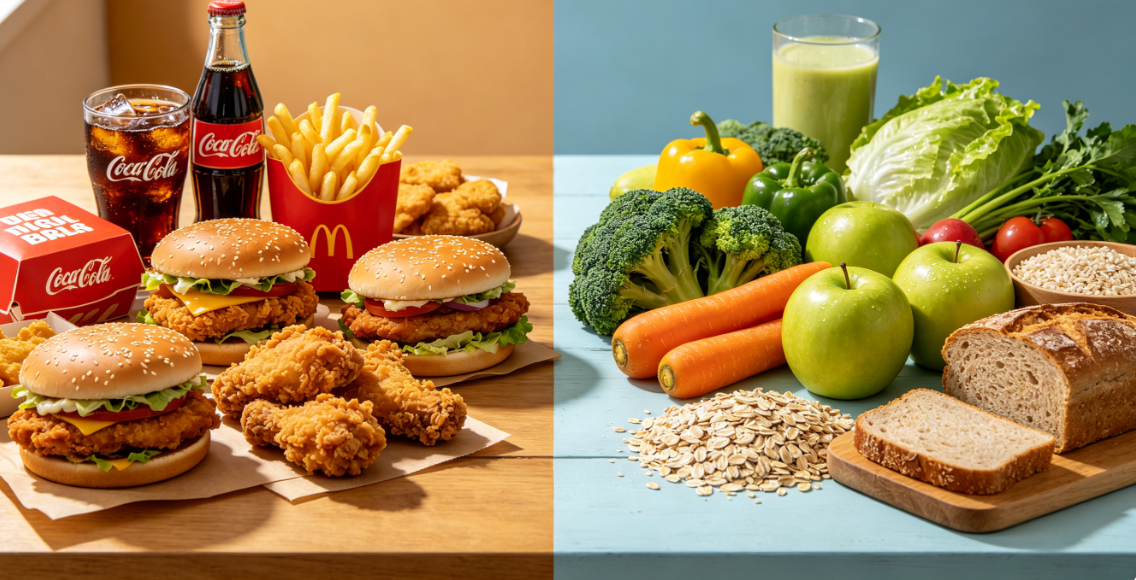
Obesity has become a global health challenge, affecting millions of people of all ages, backgrounds, and lifestyles. While genetics and lifestyle factors like physical inactivity play a role, diet is one of the most significant contributors to weight gain and obesity. The food we eat directly impacts our body weight, metabolism, and overall health—making healthy eating a key solution to preventing and managing obesity. This article explores the link between diet and obesity, the risks of obesity, and practical strategies for adopting a healthy eating pattern to break the cycle of weight gain.
The Connection Between Diet and Obesity
Obesity occurs when the number of calories consumed exceeds the number of calories burned over time, leading to excess fat storage in the body. In today’s world, many people rely on highly processed, calorie-dense foods that are high in added sugars, unhealthy fats, and refined carbohydrates—foods that are convenient but nutritionally poor. These foods are often low in fiber and protein, which means they do not keep us full for long, leading to overeating and weight gain.
Common dietary culprits of obesity include sugary drinks (like soda and sweetened juices), fast food, processed snacks (such as chips and cookies), and meals high in fried foods and refined grains. These foods are designed to be palatable and addictive, making it easy to consume more calories than our bodies need. On the other hand, a diet rich in whole, nutrient-dense foods—like fruits, vegetables, whole grains, lean proteins, and healthy fats—helps regulate appetite, boost metabolism, and prevent overeating, reducing the risk of obesity.
The Risks of Obesity
Obesity is more than just a weight issue; it is a chronic condition that increases the risk of numerous serious health problems. Carrying excess weight puts strain on the body’s systems, leading to an increased risk of type 2 diabetes, heart disease, high blood pressure, stroke, and certain types of cancer. It can also affect mental health, contributing to low self-esteem, anxiety, and depression.
Additionally, obesity can impair mobility, reduce energy levels, and lower quality of life, making it harder to engage in physical activity and maintain a healthy lifestyle. Breaking the cycle of obesity starts with understanding how diet influences weight and making intentional choices to eat in a way that nourishes the body.
Healthy Eating Strategies to Prevent and Manage Obesity
Adopting a healthy diet does not require extreme restrictions or crash diets—instead, it focuses on balance, moderation, and choosing nutrient-dense foods that support weight management and overall health. Here are practical strategies to help you eat healthily and avoid obesity:
1. Prioritize Whole, Unprocessed Foods
Choose foods that are as close to their natural state as possible. Fill your plate with colorful fruits and vegetables, which are low in calories but high in fiber, vitamins, and minerals—they keep you full and satisfied without adding excess calories. Opt for whole grains (like quinoa, brown rice, and whole wheat bread) instead of refined grains, and include lean proteins (such as chicken, fish, beans, and tofu) to boost satiety and support muscle health.
2. Limit Added Sugars and Unhealthy Fats
Added sugars are a major contributor to weight gain—they provide empty calories without any nutritional value. Avoid sugary drinks, candies, pastries, and processed foods that list “sugar,” “high-fructose corn syrup,” or “cane sugar” as one of the first ingredients. Similarly, limit unhealthy fats (like trans fats and saturated fats) found in fried foods, processed meats, and fatty dairy products. Instead, choose healthy fats from avocados, nuts, seeds, and olive oil.
3. Practice Portion Control
Even healthy foods can lead to weight gain if consumed in large portions. Use visual cues to control portions: a serving of protein should be about the size of your palm, a serving of grains about the size of your fist, and a serving of fruits or vegetables about the size of your cupped hand. Avoid eating straight from packages, as this makes it easy to overeat—instead, portion food onto a plate or bowl.
4. Stay Hydrated
Drinking plenty of water can help prevent overeating, as thirst is often mistaken for hunger. Aim to drink 8-10 cups of water daily, and limit sugary drinks, energy drinks, and excessive caffeine. Adding a slice of lemon or cucumber to your water can make it more enjoyable and encourage you to drink more.
5. Eat Mindfully
Mindful eating involves paying attention to your food and eating without distractions (like screens or work). Take your time to chew your food, savor the flavors, and listen to your body’s hunger and fullness cues. This helps you avoid overeating and enjoy your meals more, making healthy eating a sustainable habit.
Obesity is a complex issue, but healthy eating is a powerful tool to prevent and manage it. By choosing whole, nutrient-dense foods, limiting processed and high-calorie options, and practicing portion control and mindful eating, you can break the cycle of weight gain and build a sustainable, healthy lifestyle. Remember, healthy eating is not about perfection—it’s about making consistent, small choices that add up to better health over time. By nourishing your body with the right foods, you can achieve a balanced weight and improve your overall well-being.