Neck Pain Relief: A Guide to Treating and Protecting Your Cervical Spine
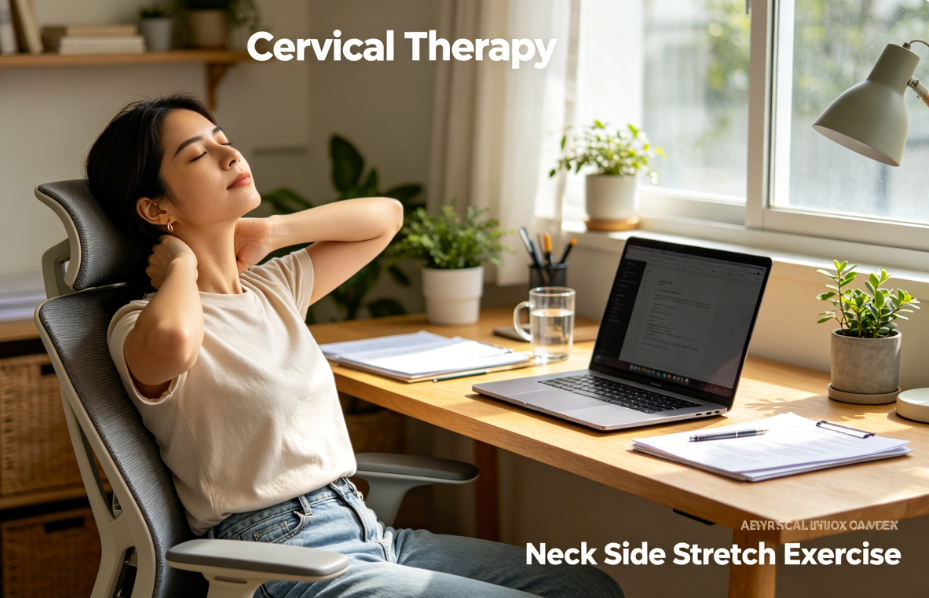
Neck pain, often linked to cervical spine issues, is a widespread complaint that can disrupt daily life, from work to leisure. Whether it’s a dull ache, sharp pain, or stiff neck, most cases stem from modern lifestyle habits—prolonged screen use, poor posture, and sedentary behavior. The good news is that with targeted treatments and simple adjustments, you can relieve discomfort and protect your cervical spine from further strain. This article outlines practical, non-invasive ways to treat cervical pain and maintain neck health.

Common Cervical Spine Issues and Their Triggers
Cervical pain typically arises from muscle strain, tension, or minor misalignment of the cervical vertebrae. The most common triggers include “text neck” (hunching over phones or tablets), slouching at a desk, sleeping with an unsupportive pillow, sudden movements (like whiplash), and overuse of neck muscles. Over time, these habits can tighten muscles, irritate nerves, and lead to chronic stiffness or radiating pain down the shoulders and arms.
Effective Treatments for Cervical Pain
Most cervical spine pain can be managed at home with gentle, consistent care. Below are proven treatments to ease discomfort and restore mobility:
1. Targeted Stretching for Tight Muscles
Stretching is one of the most effective ways to relax tight neck and shoulder muscles, reducing pain and improving flexibility. Perform these gentle exercises daily, holding each stretch for 20–30 seconds without straining:
– Shoulder Roll: Roll your shoulders forward in a circular motion 5 times, then backward 5 times. This eases tension in the shoulders and upper back, which often contributes to neck pain.
– Lateral Neck Stretch: Sit or stand tall, tilt your head gently to the right, placing your right hand on the top of your head (light pressure only). Keep your left shoulder down and hold, then switch sides.
– Chin Tuck: Sit with your back straight, gently pull your chin toward your chest, feeling a stretch at the back of your neck. This helps correct forward head posture, a major cause of cervical strain.
2. Heat and Cold Therapy for Immediate Relief
Heat and cold can provide quick relief for different types of cervical pain. For acute pain (e.g., after a sudden strain or injury), apply a cold pack wrapped in a towel for 10–15 minutes to reduce inflammation and numb discomfort. For chronic stiffness, use a warm compress, heating pad, or warm shower to relax tight muscles and improve blood circulation to the neck.
3. Posture Correction and Ergonomic Habits
Poor posture is the root cause of most cervical pain, so correcting it is key to treatment and prevention. When sitting at a desk, keep your back straight, shoulders relaxed, and your head aligned with your spine. Position your computer screen at eye level to avoid craning your neck upward or downward. When using a phone, hold it at eye level instead of hunching over it. Take a 5-minute break every 30 minutes to stand, stretch, and reset your posture.
4. Over-the-Counter Pain Relief and Topical Treatments
For mild to moderate pain, over-the-counter nonsteroidal anti-inflammatory drugs (NSAIDs), such as ibuprofen or naproxen, can reduce inflammation and ease discomfort. Follow the dosage instructions carefully to avoid side effects. Topical pain creams, gels, or patches applied directly to the neck can also provide localized relief by soothing tight muscles.
5. Supportive Sleep and Rest
Sleeping with the right pillow is crucial for cervical health. Choose a pillow that supports your neck’s natural curve—avoid pillows that are too thick, too flat, or too soft. Sleep on your back or side (avoid sleeping on your stomach, as it strains the neck). If neck pain is severe, take short rest breaks throughout the day, but avoid prolonged inactivity, which can worsen stiffness.
When to Consult a Healthcare Provider
Most cervical pain improves with home treatments, but seek medical help if you experience any of the following:
– Pain lasts more than 2 weeks and does not improve with stretching or home care.
– Pain radiates down your arm, causing numbness, tingling, or weakness in the fingers.
– You have difficulty moving your neck, or experience dizziness, headaches, or blurred vision alongside neck pain.
A healthcare provider may recommend physical therapy, chiropractic adjustments, or other targeted treatments for more severe cases.
Preventing Cervical Pain Long-Term
The best treatment for cervical pain is prevention. Incorporate these habits into your daily routine to protect your neck:
– Maintain good posture at all times, whether sitting, standing, or walking.
– Limit screen time, and take frequent breaks to stretch your neck and shoulders.
– Strengthen neck and shoulder muscles with gentle exercises (e.g., shoulder squeezes) to support the cervical spine.
– Invest in an ergonomic chair and desk setup to reduce strain during work.
Cervical pain is often preventable and manageable with simple, consistent care. By prioritizing posture, stretching regularly, and making small lifestyle adjustments, you can keep your neck healthy, reduce pain, and enjoy greater mobility.