Renter-Friendly Energy Saving Hacks (No-Damage Apartment Tips to Cut Electricity & Utility Bills)
Many apartment renters face unexpectedly high monthly utility bills due to inefficient building fixtures, poor insulation, outdated lighting, and hidden standby power waste. Unlike homeowners who can replace windows, upgrade insulation, install energy-efficient appliances, and modify fixed electrical systems, renters cannot renovate building structures, replace permanent fixtures, or alter apartment wiring. Most rental units come with standard builder-grade equipment that consumes excess power, including old halogen lights, uninsulated windows, inefficient HVAC systems, and non-power-saving outlets. Tenants often struggle with rising electricity costs but fear making lease-violating changes that risk security deposit deductions. Fortunately, fully reversible, no-damage energy-saving hacks help renters slash monthly utility expenses, reduce standby power waste, and improve indoor temperature efficiency without any structural renovation or permanent apartment changes.
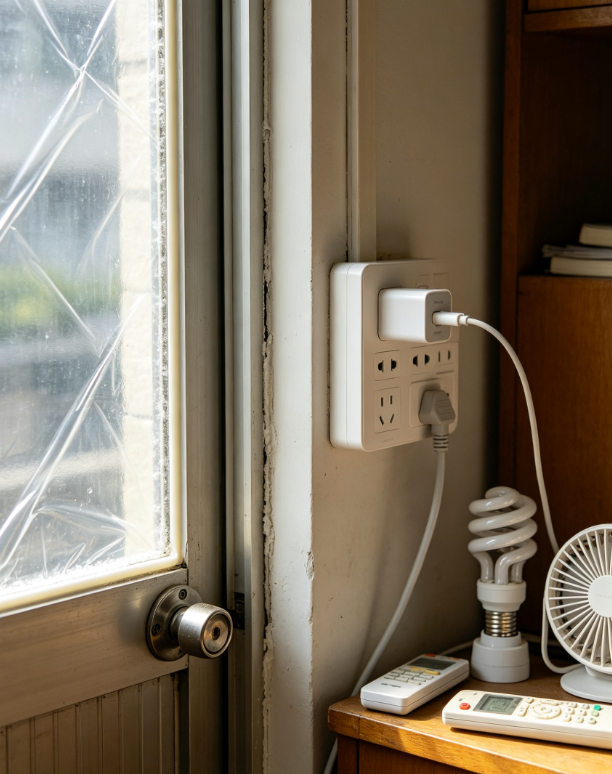
The main causes of high utility bills in rental apartments. Most rental energy waste comes from invisible long-term consumption rather than occasional overuse. Drafty windows and door gaps cause heating and cooling loss, forcing air conditioners and heaters to work overtime. Traditional high-power lighting consumes excessive electricity and generates unnecessary heat. Unmanaged standby power from TVs, chargers, routers, and kitchen appliances creates continuous phantom energy drain. Poor room insulation leads to temperature imbalance, making HVAC systems run longer and consume more power. Many renters attempt risky fixes such as replacing fixed fixtures, modifying wall outlets, or installing permanent insulation panels, which violate rental agreements. The core principle of renter-safe energy saving is portable optimization, gap insulation, standby power control, efficient temporary upgrades, and zero permanent modification.
No-draft insulation hacks to cut HVAC energy waste. Temperature leakage through gaps is the biggest hidden cause of high electricity bills in all seasons. In winter, warm indoor air escapes through window cracks and door bottoms; in summer, cool air leaks out while outdoor heat seeps in. Renters cannot replace windows or install fixed insulation layers, but removable sealing solutions block temperature loss completely. Self-adhesive window and door insulation strips seal frame gaps to prevent air convection and draft leakage. Transparent removable window insulation films enhance glass thermal insulation, reducing summer heat penetration and winter cold transfer. Thick thermal blackout curtains form a portable temperature barrier, stabilizing indoor temperature and reducing air conditioner operating frequency. All insulation materials are fully removable, residue-free, and lease compliant.
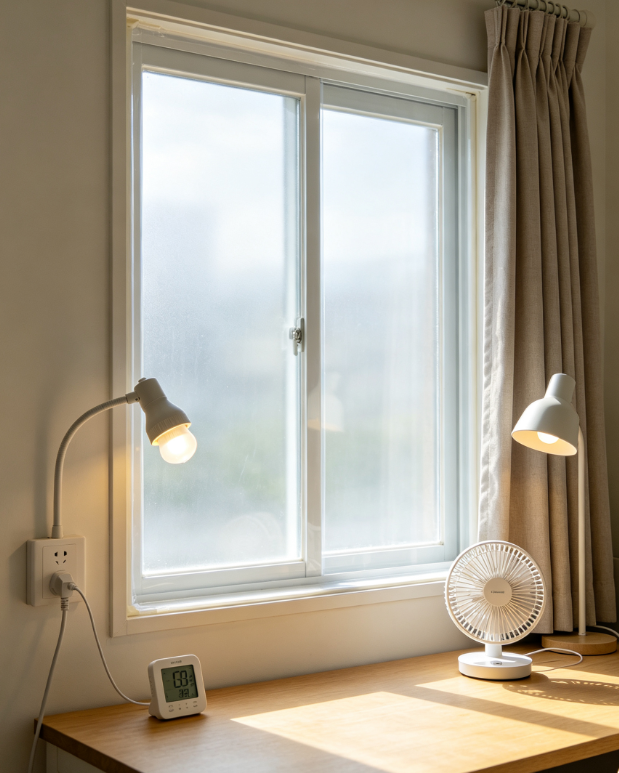
Smart lighting upgrades for low-power consumption. Old rental ceiling lights usually adopt high-power incandescent or halogen bulbs with low luminous efficiency and high heat generation. Renters cannot modify fixed lamp bases or ceiling circuits, but portable bulb replacement and auxiliary lighting optimize power consumption. Low-wattage energy-saving smart bulbs provide sufficient brightness with minimal power usage and support timing and dimming to avoid ineffective power waste. Portable table lamps, floor lamps, and LED strip lights replace full-room high-power lighting during local use, greatly reducing daily power consumption. These light upgrades require no circuit changes, no drilling, and can be directly removed and reused after moving out.
Standby power management to eliminate phantom energy drain. Phantom power loss from idle appliances accounts for nearly 10%-20% of monthly household electricity consumption. Most rental outlets keep continuous power supply, causing chargers, set-top boxes, small kitchen devices, and electronic equipment to consume power 24/7 even when not in use. Renter-safe smart plugs and multi-port power strips solve standby waste perfectly. Controlled smart plugs cut off power remotely or on a timer to avoid long-term idle power consumption. Concentrated power strip management centralizes appliance power control, allowing one-key power off for all idle devices when leaving home. No wiring modification or outlet replacement is required, fully fitting rental usage scenarios.
Seasonal energy-saving strategies for summer & winter. Different seasons require targeted energy-saving methods to avoid ineffective HVAC load. In hot summer, close windows and curtains during strong sunlight to block heat radiation, reduce air conditioner operating time, and set reasonable temperature ranges to avoid over-cooling. Use portable circulating fans to assist air convection, making cooling more efficient and reducing electricity pressure. In cold winter, seal all gap drafts, use thick thermal curtains and indoor soft furnishings to retain heat, and rely on portable heaters for local heating instead of full-room high-power heating. Seasonal adaptive adjustments balance comfort and energy savings effectively.
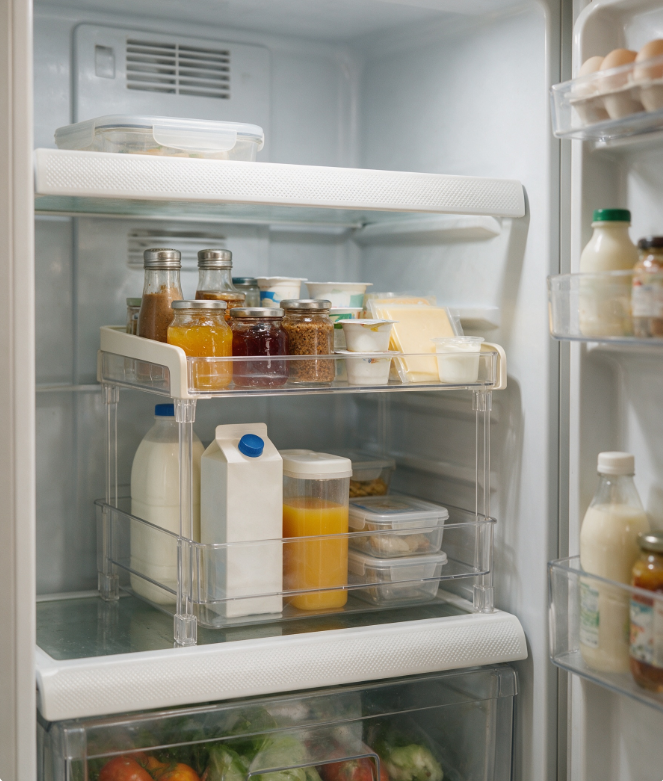
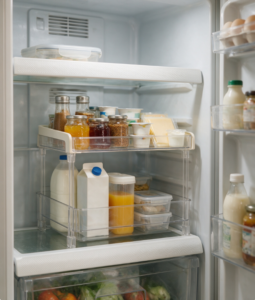
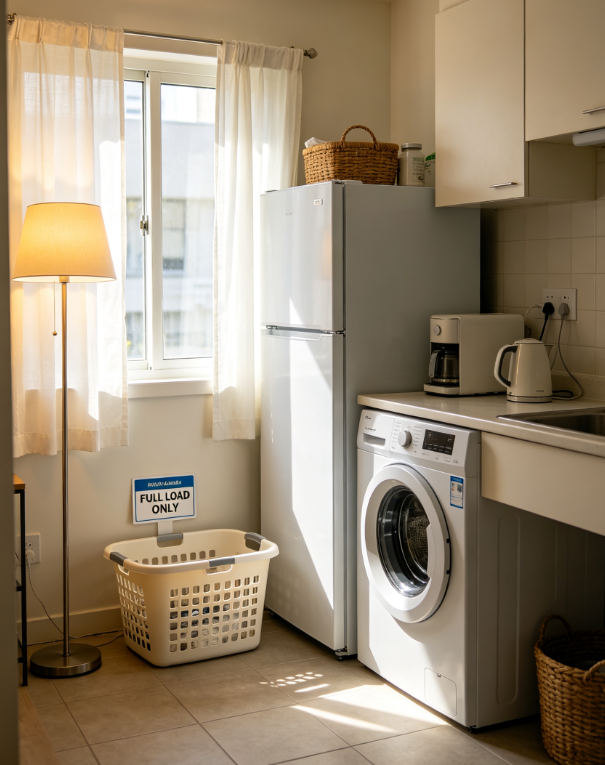
Portable appliance usage optimization. Daily appliance usage habits directly determine utility bill levels. Rental refrigerators, washing machines, and dryers are high-power consumption devices. Concentrated laundry washing, avoiding frequent single small-load operation, reduces machine startup power loss. Proper refrigerator sorting and regular dust cleaning on the back condenser improve refrigeration efficiency and cut power consumption. Timely turning off idle kitchen appliances and avoiding long-term standby operation further reduce daily energy waste. All optimization methods are simple, zero-cost, and require no equipment modification.
Natural light & ventilation energy saving. Making full use of natural resources is the most effective zero-cost energy-saving method. Open curtains fully during daytime to utilize natural light and reduce artificial lighting usage. Ventilate regularly during suitable weather to improve indoor air quality, reduce mold and stuffiness, and decrease purifier and fan operating time. Reasonable window opening and closing rules avoid excessive reliance on electrical equipment, realizing long-term energy consumption reduction.
Move-out energy-saving reset & inspection checklist. Gently remove all window insulation films, sealing strips, and thermal accessories. Replace original bulbs if temporary energy-saving bulbs were used. Remove all smart plugs and power management equipment. Clean window and door surfaces to eliminate residual adhesive traces. Restore all electrical fixtures, windows, doors, and room structures to their original rental condition for inspection.
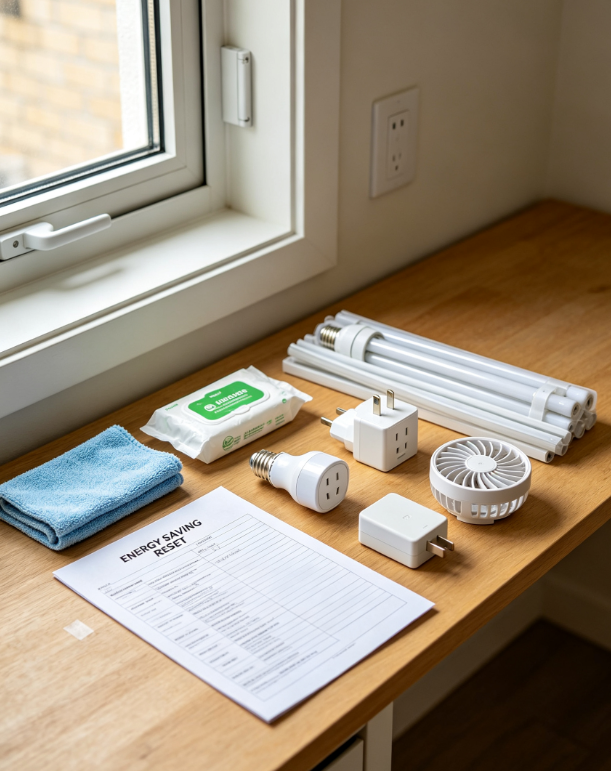
All energy-saving methods are 100% lease compliant. Every insulation strip, thermal film, energy-saving bulb, smart plug, and seasonal adjustment strategy requires no drilling, no circuit modification, no fixture replacement, no structural renovation, and no permanent damage. All energy-saving upgrades are temporary, fully reversible, residue-free, and security-deposit safe.
Overall, renters do not need expensive appliance upgrades or building renovations to reduce utility bills significantly. With gap insulation blocking temperature loss, low-power lighting replacement, standby power management, seasonal energy adjustment, and scientific appliance usage habits, ordinary rental apartments can achieve stable monthly energy savings. These budget-friendly, no-damage energy-saving hacks effectively cut electricity waste, lower living costs, maintain comfortable indoor temperature, and fully comply with apartment lease rules for long-term cost-effective rental living.