Tiny Balcony Multi-Purpose Storage: Real Renter Trials & Practical Layouts
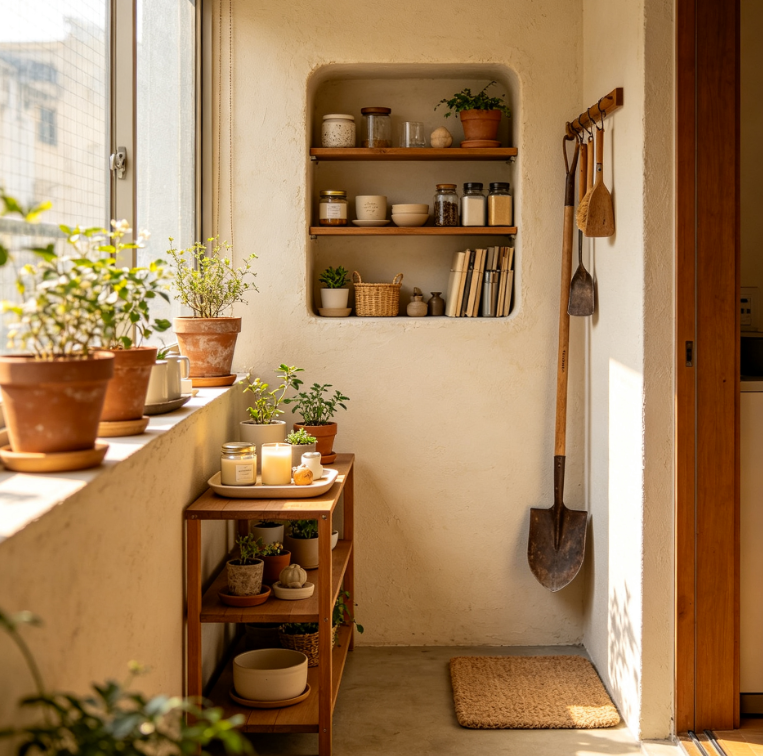
Why Tiny Rental Balconies Struggle With Multi-Functional Use
Anyone renting compact city apartments knows how precious tiny balcony space is. Unlike large house balconies built for leisure, rental balcony areas have to pull double or triple duty. They hold cleaning supplies, seasonal gear, laundry essentials, and even small daily leisure items, all within a super cramped footprint. My current apartment’s balcony storage wall niche is a standard rental size that most urban dwellers will recognize. I’ve measured it repeatedly during my organizing trials: 102cm wide, 32cm deep, 175cm tall. The ultra-shallow depth is the biggest bottleneck here.
For a long time, I treated this small zone like a regular storage space. I stuffed all my balcony essentials into generic organizers, hoping to balance storage functionality and a little relaxing balcony space. Instead, it always felt either over-cluttered or wastefully sparse. I’d tidy it up and create a clean little lounge corner, only for cleaning tools and backup supplies to creep back in and crowd the area. After testing two mainstream multi-purpose balcony storage products and watching them underperform in real daily use, I figured out the core issue. Most all-in-one balcony organizers are designed for deep, covered balconies, not the shallow, wind-exposed, multi-task spaces typical of rentals.
Two Popular Multi-Purpose Balcony Organizers That Failed My Daily Routine
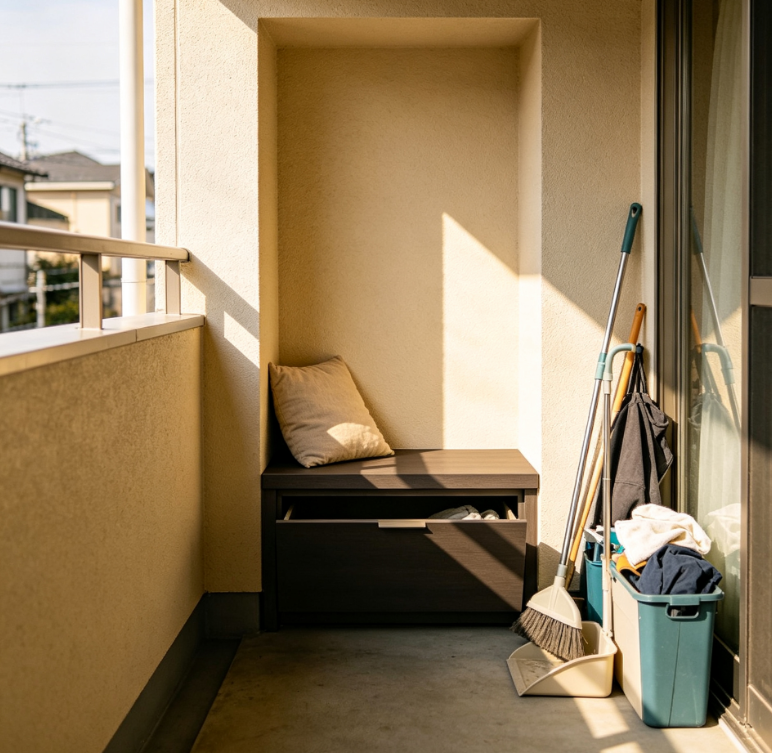
The first product I bought was an all-in-one balcony storage bench, a trendy multi-functional piece marketed for small outdoor spaces. It combines a seating top with a large hollow storage compartment underneath, meant to hold sundries while offering a tiny lounge spot. The bench’s external depth is 36cm, slightly deeper than my 32cm niche depth. I thought the small gap could be squeezed in, and I prioritized its dual functionality at that time.
In daily use, the depth mismatch caused constant trouble. The bench jutted out 4cm from the wall niche, blocking half of my narrow balcony walking path. Every time I hung laundry or swept the floor, I had to twist around the bench. The sealed under-seat storage also trapped balcony humidity. Even with occasional ventilation, stored items like seasonal cushions and spare towels absorbed moisture slowly, developing faint musty odors after a month. Worst of all, the large single storage compartment forced me to mix cleaning tools and leisure items together. Small accessories sank to the bottom, making quick access nearly impossible. I stopped using it after two months, as it ruined both storage efficiency and balcony usability.
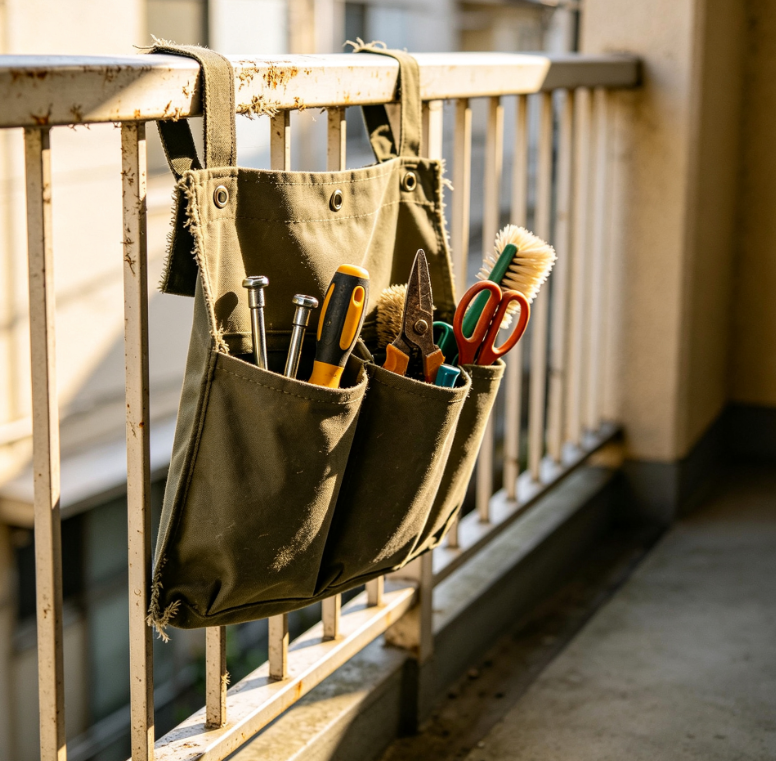
I also tried a full-coverage hanging multi-pocket balcony storage organizer, made of thick waterproof fabric. It hangs directly on balcony railings and features segmented pockets for different categories of items. Online reviews praised its space-saving and multi-classification design. But real rental balcony conditions exposed its flaws quickly.
Urban balconies face constant wind and temperature changes. The fabric pockets swayed with outdoor breeze every day, and stored hard items like screwdrivers and cleaning brushes knocked against the railing nonstop. The repeated friction wore out the stitching after several weeks. The segmented pockets also came with fixed sizes, which created rigid limitations. Tall bottles couldn’t fit upright, while small items bounced around inside oversized pockets. On rainy or humid days, the fabric absorbed moisture, and the tightly divided pockets dried very slowly. It turned a convenient storage idea into a fragile, high-maintenance accessory.
Custom Multi-Purpose Layout for Tiny Shallow Balconies
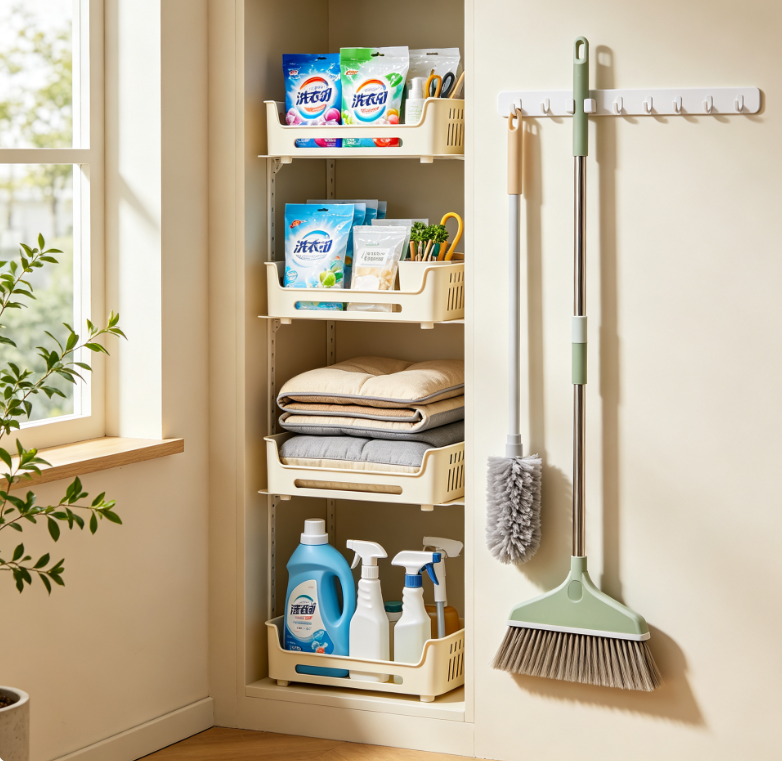
After abandoning those two multi-functional but impractical products, I rebuilt my balcony layout around my niche’s fixed shallow depth and dual needs: usable storage and a tiny relaxing corner. I gave up chasing all-in-one bulky furniture and switched to segmented, low-profile storage that coexists with daily balcony activities.
I installed a 31cm shallow four-layer plastic shelf inside the wall niche. The 1cm reserved gap ensures the shelf sits completely flush without protruding. I split the shelf into strict functional zones to support multi-purpose use. The top two layers store sealed laundry supplies, cleaning pods, and small gardening accessories. These rarely need frequent access, so placing them high saves lower space for daily-use items. The third layer holds foldable small balcony mats and portable leisure cushions. The bottom reinforced layer carries heavier spray cleaners and handheld tools to keep the whole shelf stable.
To avoid mixing tool storage with leisure items, I mounted weather-resistant adhesive hook strips on the blank side wall. Long-handled mops, brooms, and dusters hang vertically here, eliminating messy stacking on shelf surfaces. For small leisure sundries like candle jars, mini potted plants, and balcony decoration bits, I use small open shallow trays on the shelf’s outer edge. This layout keeps all functional supplies hidden in the niche while leaving the front balcony floor clear for standing, drying clothes, or casual sitting.
Realistic Pros and Cons of This Segmented Multi-Purpose System
This customized setup works well for tiny multi-functional rental balconies. The shallow-profile shelf preserves walking and activity space without sacrificing storage capacity. Separated wall-hung tool storage and categorized shelf zones prevent functional items from invading leisure space. All adhesive and freestanding fixtures leave no wall damage, which fits rental move-out standards. The hard plastic shelf material resists dust and mild humidity better than fabric or wooden organizers, cutting down frequent cleaning work.
This layout still has noticeable limitations worth acknowledging. Segmented storage means no large unified space for oversized seasonal items, so big outdoor cushions or large gardening containers need temporary off-site storage. Multiple small trays and hooks require occasional rearrangement to avoid scattered small items. Adhesive fixtures will degrade gradually after long-term exposure to wind and sunlight, needing replacement every few months. This system also relies on consistent item categorization; casual random placement can still disrupt the dual-purpose balance.
Low-Effort Habit to Maintain Balcony Multi-Functionality
Most tiny balcony layout failure happens not from bad organizers, but from blurred functional boundaries. It’s easy to casually place random tools or sundries in the leisure zone, which slowly takes over the whole balcony space.
I stick to a simple rule: all maintenance and cleaning items stay inside the wall niche, and only lightweight leisure items occupy the outer balcony area. Every weekend, I spend two minutes checking and relocating misplaced items. This tiny routine keeps the storage zone and relaxing zone clearly divided, without spending hours on deep reorganization.
After years of renting and testing countless balcony hacks, I’ve learned tiny multi-purpose balcony space works best with segmented, adaptive storage. Balancing practical storage and daily leisure doesn’t require bulky all-in-one furniture. Simple, space-matching layouts that respect the space’s natural limits create far more livable, long-term results for rental homes.