Renter-Friendly Utility Saving Hacks (No-Damage Ways to Cut Electricity, Water & Gas Bills in Rental Apartments)
Most apartment renters face unexpectedly high monthly utility bills due to outdated building fixtures, poor insulation, inefficient landlord-provided appliances, and wasted daily energy. Unlike homeowners who can upgrade smart thermostats, replace energy-saving windows, install low-flow plumbing fixtures, and renovate home energy systems, renters cannot make permanent fixture replacements or structural upgrades. Many standard rental units come with old power-hungry appliances, leaky faucets, unregulated lighting, and uninsulated gaps that continuously waste electricity, water, and gas. Additionally, most tenants lack targeted rental-friendly energy-saving habits, leading to cumulative high utility costs every season. The good news is that renters do not need renovations or fixture replacements to save money. Fully reversible, no-damage utility-saving hacks effectively reduce daily energy and water waste, lower monthly living costs, and remain 100% lease compliant without risking security deposit deductions.
Why rental utilities are always higher than expected. Rental apartments have inherent energy-wasting flaws that most tenants overlook. Aging landlord appliances including fridges, washers, dryers, and HVAC systems consume far more power than modern energy-efficient models. Unsealed window and door gaps cause heating and cooling loss, forcing air conditioners and heaters to overwork nonstop. Outdated bathroom and kitchen faucets often have subtle water leaks and fast flow rates that waste tons of water monthly. Traditional incandescent lighting consumes excessive power and generates unnecessary heat. Many common tenant habits worsen waste: leaving standby devices plugged in, running half-full laundry cycles, overcooling or overheating rooms, and ignoring hidden water leakage. The core principle of renter-friendly utility saving is portable energy optimization, standby power elimination, temporary temperature control, waste reduction, and zero permanent modification.
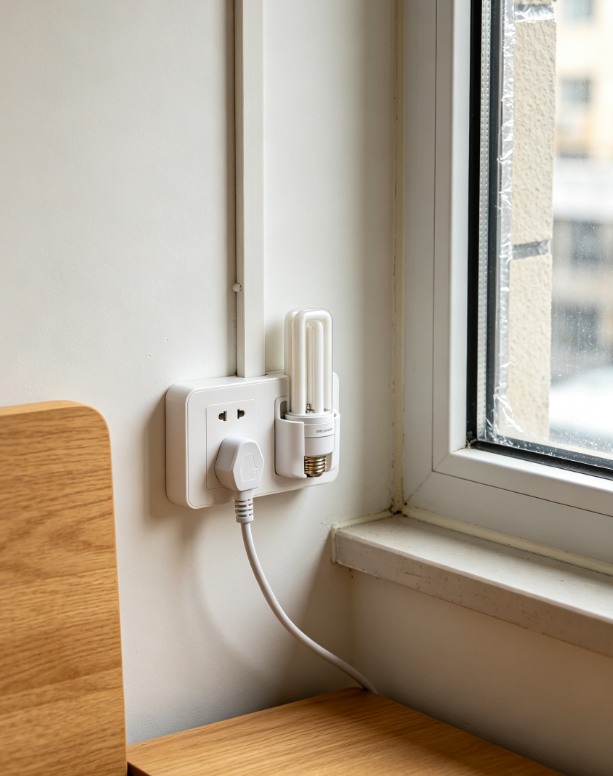
No-drill electricity-saving tips for lighting & standby power. Hidden standby power drain is one of the biggest causes of high rental electric bills. TVs, microwaves, routers, chargers, and small appliances continuously draw phantom power even when not in use. Renters cannot rewire apartment circuits or replace fixed light fixtures, but portable solutions cut idle power waste completely. Smart power strips cut standby electricity automatically by grouping frequently used devices, eliminating continuous phantom energy loss. Replacing traditional bulbs with removable energy-efficient LED bulbs reduces lighting power consumption significantly while producing less heat. Forming simple habits such as unplugging idle devices, turning off lights in empty rooms, and avoiding overuse of portable heaters and coolers further stabilize daily electricity usage with zero cost and zero damage.
Passive temperature control to reduce AC & heater usage. Heating and cooling account for the largest proportion of apartment utility expenses. Instead of relying entirely on power-consuming HVAC systems, renters can use passive temperature adjustment methods to reduce equipment runtime. In summer, heat-blocking window films and thermal blackout curtains block solar radiation, prevent indoor overheating, and reduce air conditioner load. In winter, window insulation films and door draft stoppers lock indoor heat and reduce heater frequency. Adjusting indoor temperature moderately within a comfortable range, closing doors of unused rooms, and ventilating during cool hours balance indoor climate naturally. All thermal control tools are removable and require no installation or structural changes.
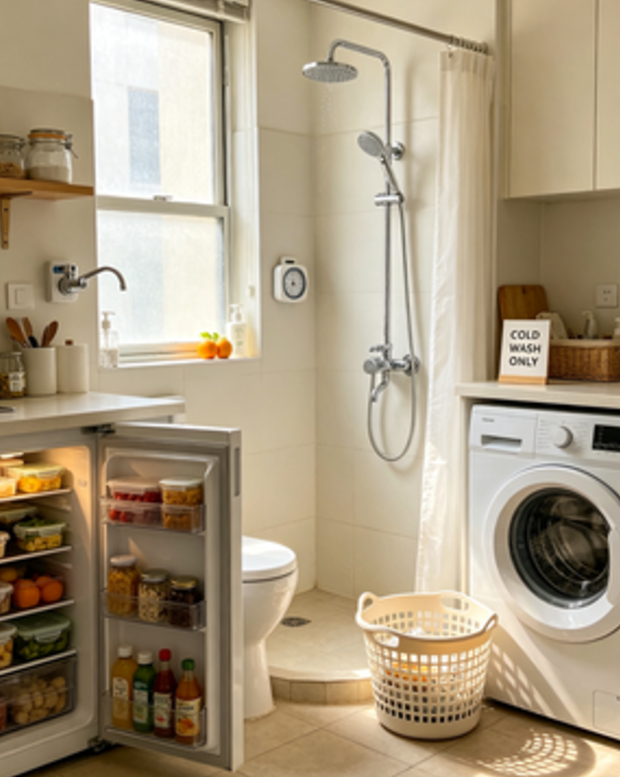
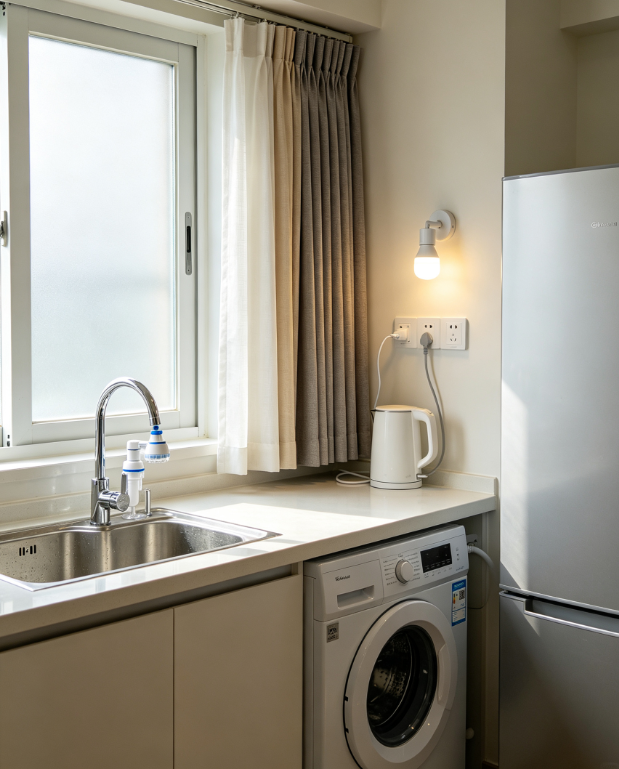
Renter-safe water-saving hacks for kitchen & bathroom. Subtle water waste causes soaring monthly water bills in rental units. Dripping faucets, unregulated water flow, and long shower times accumulate massive water loss over time. Tenants cannot replace fixed faucets or modify plumbing structures, but portable water-saving accessories effectively cut water consumption. Removable faucet flow regulators reduce excessive water pressure and flow without affecting daily use. Shower timing reminders and low-flow shower heads (temporary, replaceable) shorten unnecessary bathing time. Simple habits including turning off taps while brushing teeth, rinsing vegetables in containers instead of running water, and only running full-capacity dishwashers and washing machines eliminate invalid water waste thoroughly.
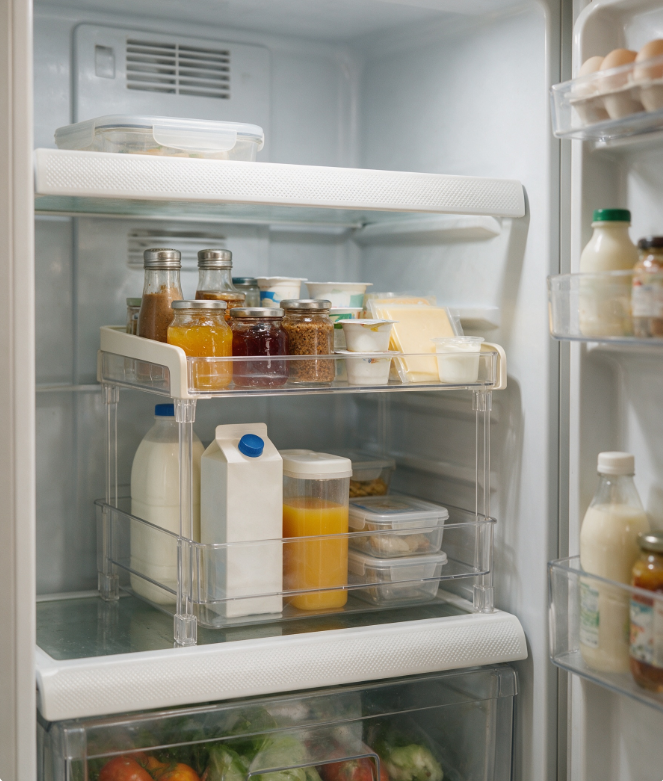
Appliance usage optimization to lower long-term energy consumption. Landlord-provided old appliances are unavoidable for most renters, but scientific usage habits can greatly reduce energy loss. Refrigerators work most efficiently when moderately filled; overcrowding blocks airflow while empty space causes excessive cooling consumption. Let hot food cool completely before placing it in the fridge to avoid extra compressor load. Wash laundry with cold water whenever possible and avoid frequent short-time washing cycles. Clean dryer lint traps after each use to maintain efficient ventilation and reduce repeated drying time. These appliance optimization methods require no maintenance cost or equipment modification, only adjusted daily routines.
Seasonal utility adjustment strategies for all climates. Energy-saving methods need seasonal adjustment to achieve maximum cost reduction. In hot summer months, prioritize sun blocking and natural ventilation to reduce AC dependence, avoid peak electricity usage during high-rate hours, and use portable fans for auxiliary cooling. In cold winter months, concentrate indoor heat with curtains and draft stoppers, utilize passive solar warmth during sunny days, and avoid frequent door opening that causes heat loss. In humid transitional seasons, use portable dehumidifiers moderately to reduce mold growth and avoid overusing air conditioning for dehumidification. Seasonal targeted adjustment keeps utility consumption stable all year round.
Move-out utility reset routine for full lease compliance. Remove all temporary window thermal films, curtain sets, and draft stoppers. Replace LED bulbs back to original landlord bulbs if required. Remove portable power strips and water-saving faucet accessories. Confirm no plumbing or electrical modifications, no fixture damage, and no altered building structures. Restore all original apartment utility facilities to their initial move-in state for inspection.
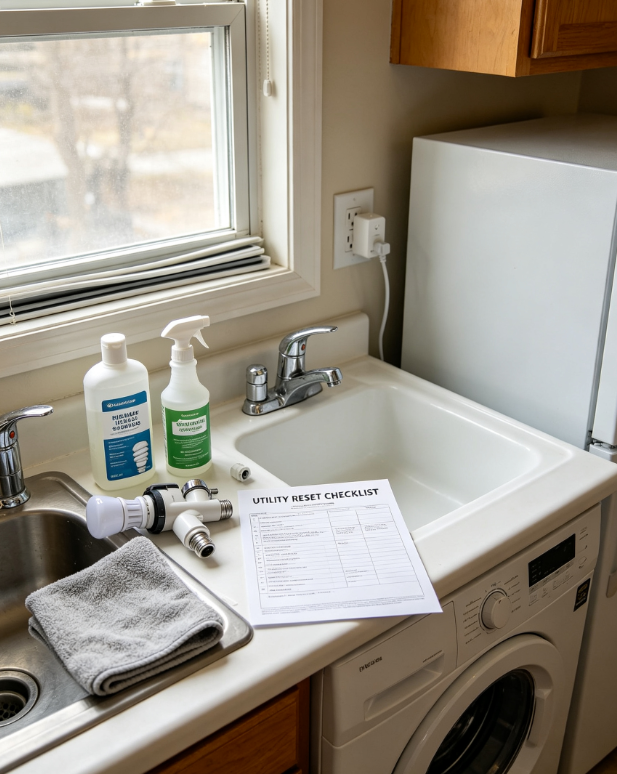
All utility-saving methods are 100% renter-safe & lease compliant. Every energy-saving accessory, temperature control tool, water-saving device, and usage habit requires no drilling, no circuit modification, no plumbing adjustment, no fixture replacement, and no structural renovation. All optimization measures are temporary, fully reversible, residue-free, and will not affect security deposit refunds.
Overall, renters do not need expensive renovations or fixture upgrades to lower monthly living costs. By cutting phantom electricity waste, applying passive temperature insulation, saving daily water resources, and optimizing appliance usage habits, any rental apartment can achieve obvious utility bill reduction. These budget-friendly, non-damaging utility-saving hacks effectively reduce long-term living expenses, improve apartment energy efficiency, and fully comply with all rental lease regulations for worry-free long-term renting.