Renter-Friendly Pest & Mite Prevention Hacks (Non-Toxic, No-Damage Apartment Bug Control)
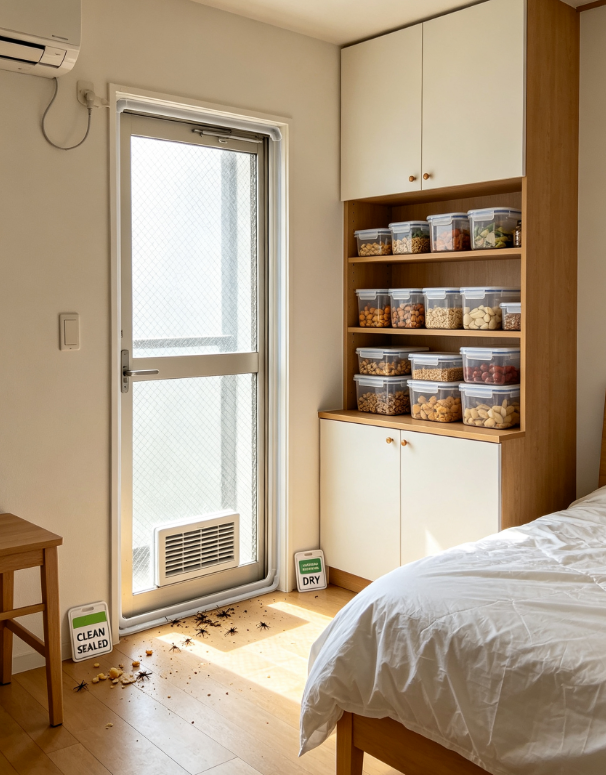
Rental apartments, especially multi-unit buildings, are extremely prone to pest problems, including dust mites, cockroaches, ants, mosquitoes, and tiny pantry bugs. Shared walls, public ventilation systems, shared hallways, and building plumbing create unavoidable pest entry points that individual tenants cannot renovate or block permanently. Unlike homeowners who can seal wall cracks, replace vent screens, apply permanent pest treatments, and modify plumbing structures, renters are limited to temporary, non-invasive solutions. Strong industrial pesticides, drilled sealing fixtures, and permanent wall repairs violate lease agreements and may leave toxic residue or property damage, leading to security deposit deductions. Additionally, harsh chemical sprays harm indoor air quality and threaten the health of families, pets, and sensitive groups. This complete renter-friendly pest and mite prevention guide shares safe, reversible, non-toxic hacks to eliminate bug habitats, block pest entry, and maintain a clean pest-free apartment without any permanent changes.
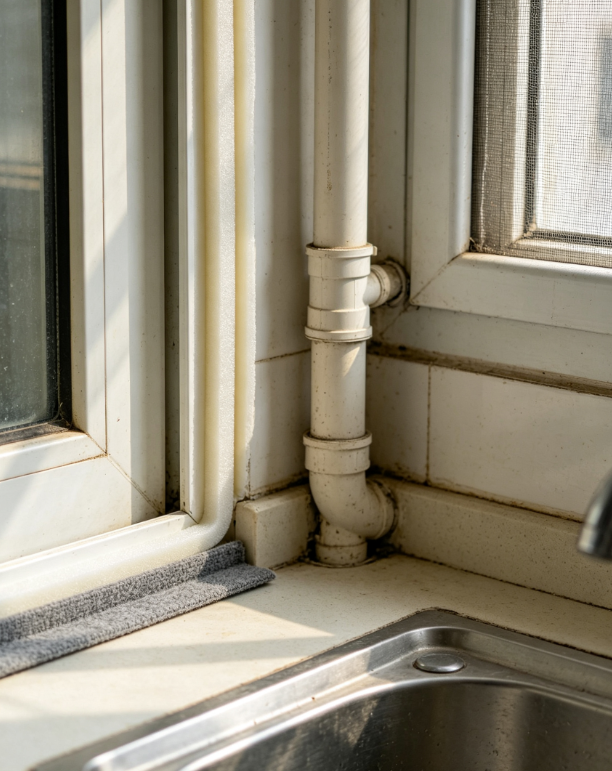
Common rental pest causes and tenant mistakes. Most apartment pest infestations are not caused by poor hygiene alone, but by building structural loopholes. Unsealed window gaps, loose door bottoms, uncovered ventilation outlets, pipeline gaps under sinks, and damp bathroom corners become main breeding and entering channels for pests and mites. Many renters make ineffective or risky mistakes: using corrosive insect sprays that damage wall paint and furniture, drilling fixed anti-pest screens, ignoring hidden damp dead zones, and leaving food residues exposed. Some strong chemical treatments also leave stubborn stains and odors that fail move-out inspections. The core principle of renter-safe pest control is temporary gap blocking, dry environment maintenance, non-toxic repellent placement, regular hidden corner cleaning, and zero structural modification.
No-damage gap blocking to stop pest entry. Tiny gaps around windows, doors, sink pipes, and floor skirting boards are the biggest pest entry loopholes in rental units. Tenants cannot perform permanent caulking, wall filling, or pipeline renovation, but removable sealing tools effectively block bug access. Temporary foam weatherstripping seals loose window and door frame gaps. Removable sink gap covers block pipeline openings under kitchen and bathroom cabinets. Portable mesh vent covers fit over ventilation outlets to prevent crawling insects from entering through public air ducts. All sealing materials are fully peelable and removable, leaving no residue or damage to original building structures at move-out.
Dust mite elimination for beds, sofas and textiles. Dust mites are the most overlooked indoor pest in rental apartments, hiding in mattresses, pillows, blankets, carpets, and sofa cushions. They cause allergic reactions, itchy skin, and poor sleep quality. Renters cannot replace fixed carpet or upholstery, but portable anti-mite routines completely control mite reproduction. Washable anti-mite mattress covers, pillow protectors, and sofa slipcovers isolate mite habitats effectively. High-frequency vacuuming with brush attachments removes hidden dust and mite debris from textile gaps. Regular sunlight ventilation and low-humidity environment control inhibit mite growth, keeping bedding and living areas clean and healthy all year round.
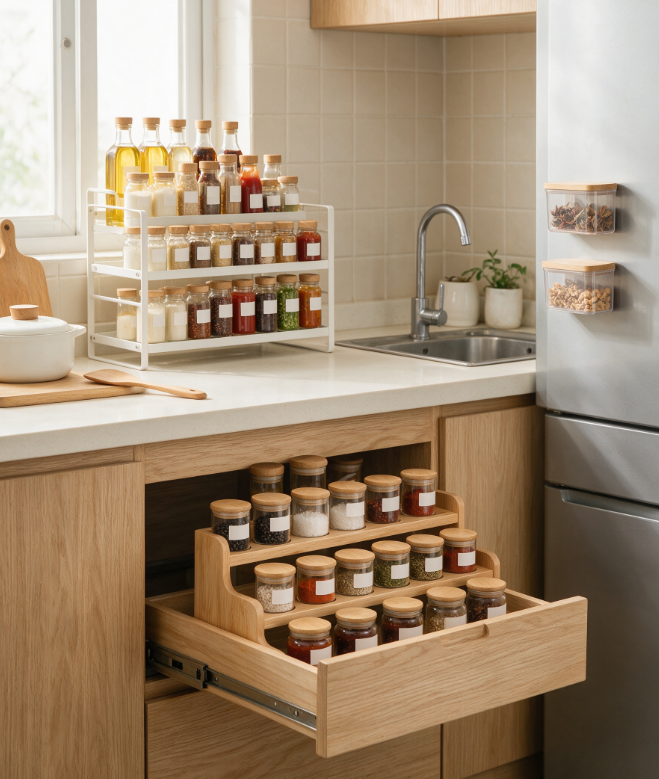
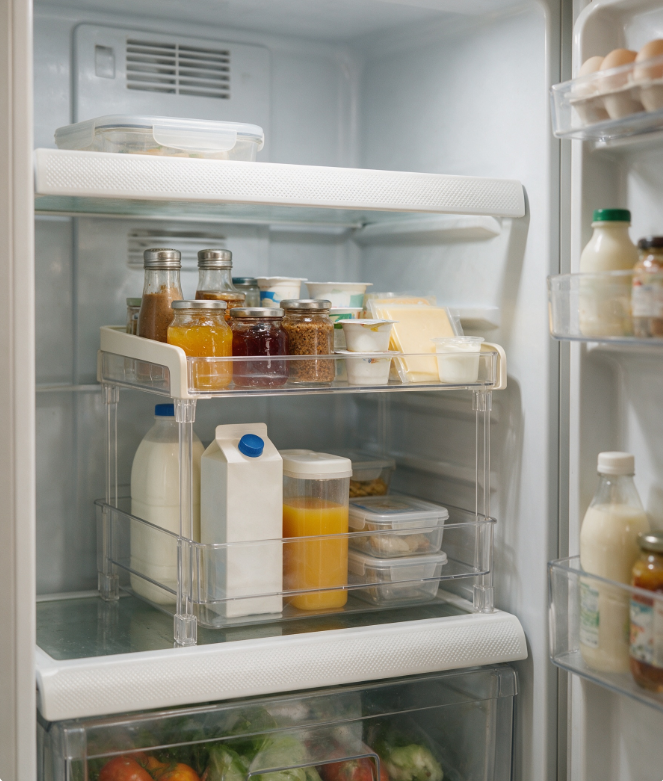
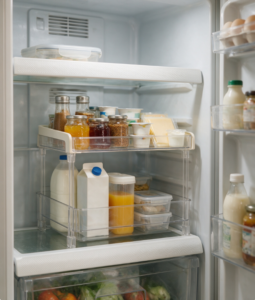
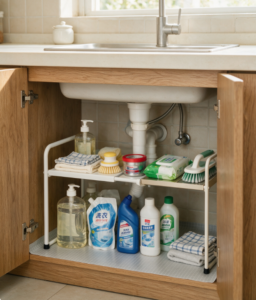
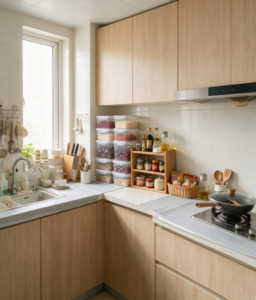
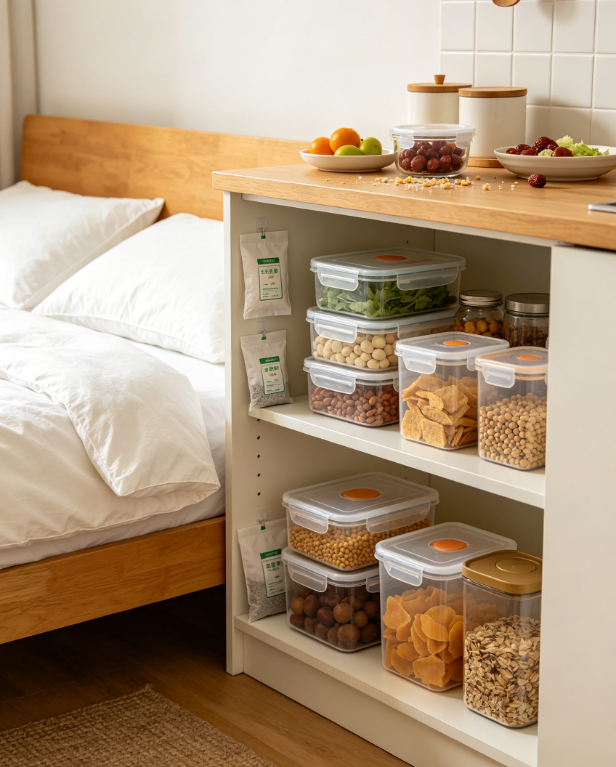
Pantry bug & kitchen ant prevention strategies. Kitchens are the highest-risk area for ants, grain bugs, and small pantry pests. Spilled food residue, unsealed grain storage, damp sink corners, and hidden crumbs attract continuous pest infestations. Renter-safe kitchen pest control focuses on isolation and cleanliness rather than harsh chemicals. Airtight stackable food containers seal grains, snacks, and dry ingredients to cut off pest food sources. Portable under-sink mat protectors prevent water accumulation and mold growth. Regular deep cleaning of cabinet corners, drawer gaps, and sink crevices eliminates hidden crumbs and organic residue, removing pest breeding grounds completely.
Non-toxic natural repellent placement for full-room protection. Instead of harmful chemical pesticides, renters can use safe, natural, portable repellents to deter bugs, mosquitoes, and crawling insects. Portable odor-free pest repellent pouches, mint-based natural deterrents, and silica gel dehumidifier packets can be placed in wardrobes, cabinets, bathroom corners, and window sills. These non-toxic products repel pests without polluting indoor air or leaving surface stains. Different from disposable sprays, placed repellents provide long-term protection and require no cleaning or surface treatment, perfectly suitable for long-term rental living.
Humidity control to prevent damp pests and mold. High humidity is the core cause of mold, mildew, mites, and damp-loving bugs in rental apartments. Poor building ventilation and rainy seasons easily lead to persistent indoor dampness. Renters cannot modify ventilation systems or install permanent dehumidification equipment, but portable devices adjust indoor humidity effectively. Mini portable dehumidifiers, circulating fans, and open-window ventilation routines keep rooms dry and airy. A dry indoor environment fundamentally suppresses the reproduction of mites, cockroaches, and mold, improving overall household hygiene.
Daily maintenance habits to sustain pest-free living. Simple daily routines avoid repeated pest infestations. Seal all food tightly and clean dining areas immediately after meals. Avoid leaving standing water in bathroom sinks, kitchen basins, and balcony corners. Regularly sort and clean clutter to reduce hidden pest hiding spaces. Wash and dry textile products frequently to eliminate dust accumulation. Inspect window sills, cabinet bottoms, and pipeline gaps regularly for early pest signs. Zero-cost daily habits maintain long-term apartment cleanliness and prevent severe infestations.
Move-out pest control reset & cleaning routine. Remove all temporary gap sealing strips, vent meshes, and pest repellent products. Discard expired dehumidifier packets and repellent pouches. Deep clean all kitchen cabinets, bathroom corners, textile surfaces, and hidden gaps. Wipe down sealed areas to remove residual adhesive and dust. Restore all original building gaps, vents, and surfaces to their initial condition for inspection.
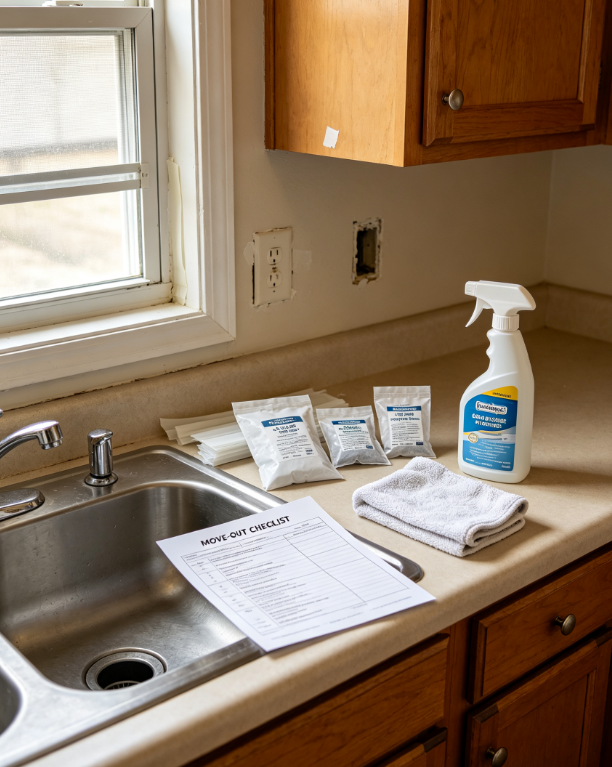
All pest prevention methods are 100% lease compliant. Every temporary seal, portable repellent, textile protector, humidity control tool, and cleaning routine requires no drilling, no permanent filling, no chemical corrosion, no structural change, and no fixture damage. All anti-pest upgrades are temporary, fully reversible, residue-free, and security-deposit safe.
Overall, renters do not need professional pest extermination or building renovations to maintain a bug-free apartment. With non-damaged gap blocking, effective dust mite control, clean pantry management, natural non-toxic repellents, humidity adjustment, and scientific daily habits, rental units can stay clean, dry, and pest-free throughout the lease period. These budget-friendly, renter-safe pest and mite prevention hacks protect family health, improve indoor living quality, avoid infestation spread, and fully comply with all apartment lease regulations.