Renter-Friendly Thermal Insulation Hacks (No-Drill, Non-Invasive Ways to Block Heat & Cold and Lower Utility Bills)
Most rental apartments suffer from poor factory insulation, leaky windows, thin exterior walls, and unsealed door gaps that create extreme temperature swings year-round. Unlike homeowners who can install permanent wall insulation, replace double-pane windows, upgrade weatherstripping, and foam-seal structural gaps, renters are prohibited from making any permanent structural or exterior modifications. Landlord-standard rentals often come with single-pane windows, worn-out original seals, and zero thermal protection, causing sweltering heat penetration in summer and frigid cold air leakage in winter. Many tenants blast air conditioners and heaters nonstop to compensate, resulting in sky-high electricity bills, uncomfortable drafty rooms, and inconsistent indoor temperatures. Fortunately, fully reversible, no-drill renter-friendly thermal insulation hacks block summer heat, stop winter drafts, stabilize indoor temperatures, and drastically cut monthly utility costs without damaging walls, windows, or lease agreements.
Why rental units feel too hot in summer and too cold in winter. Poor thermal performance is the biggest hidden flaw in apartment rentals. Thin builder-grade drywall offers almost no heat resistance. Aging window frames shrink over time, creating invisible gaps that let outdoor air freely circulate indoors. Door bottoms, balcony sliding tracks, and baseboard gaps produce constant drafts. In summer, unprotected glass windows absorb and radiate solar heat, turning rooms into heat traps and forcing AC units to overwork. In winter, cold air seeps through unsealed gaps, while indoor heat escapes rapidly, leaving spaces chilly even with heaters running. Most renters over-rely on HVAC systems instead of fixing root draft and heat-gain issues, leading to unnecessary energy waste. The core principle of renter-safe thermal control is temporary sealing, removable thermal layering, passive temperature blocking, and zero permanent renovation.
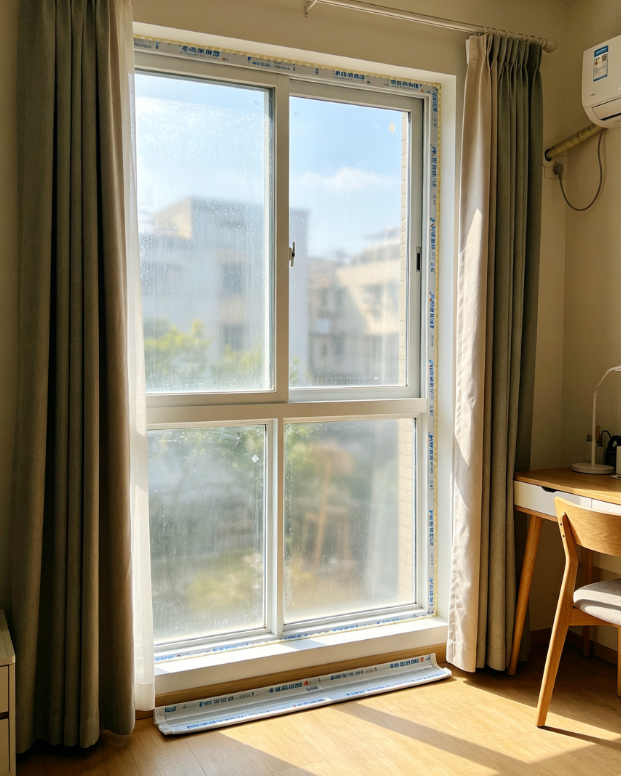
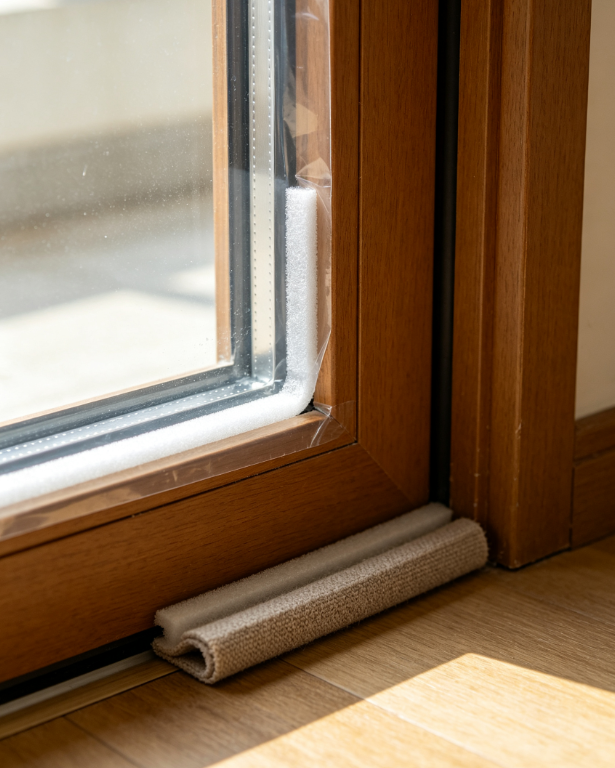
No-draft window insulation for winter heat retention. Windows are the number one source of rental heat loss and cold drafts. Permanent window replacement and professional foam sealing are off-limits for tenants, but temporary window insulation solutions seal gaps completely. Removable transparent window insulation film tightens loose glass boundaries, eliminates convection drafts, and adds an invisible thermal barrier without blocking natural light. Self-adhesive temporary foam weatherstripping seals frame gaps and tiny cracks where cold air enters. These affordable, peel-off products require no tools, leave no residue, and drastically reduce winter heat escape while keeping window structures fully original for move-out.
Summer heat-blocking window treatments to reduce AC usage. Unprotected rental windows absorb massive solar radiation, overheating rooms throughout hot seasons. Tenants cannot install tinted glass or permanent solar screens, but reversible thermal window coverings block UV rays and radiant heat effectively. Thick thermal blackout curtains, reflective window films, and solar heat-blocking static cling coatings reduce indoor temperatures significantly. These temporary layers prevent sunlight from warming walls and furniture, keeping apartments naturally cooler and lowering air conditioning runtime. All heat-blocking treatments peel or fold away cleanly with zero damage.
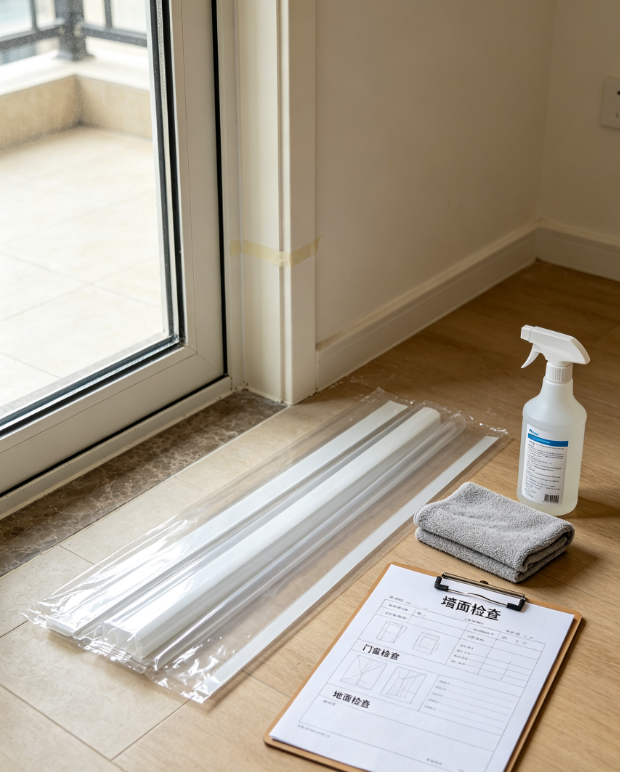
Door & floor draft stopper hacks for consistent room temperature. Gaps under exterior doors, balcony doors, and hallway doors create persistent cross-drafts that destabilize indoor temperatures. Permanent door frame adjustments and floor sealing are prohibited in rentals, but portable draft stoppers block airflow instantly. Weighted fabric door draft blockers fit snugly under door gaps to stop cold wind and heat loss. Removable door-side weather strips seal edge cracks without drilling or glue residue. Hard bare floors also create cold radiant chill in winter; removable thermal floor rugs and carpet layers insulate cold tile and hardwood surfaces, adding comfortable warmth and reducing heating reliance.
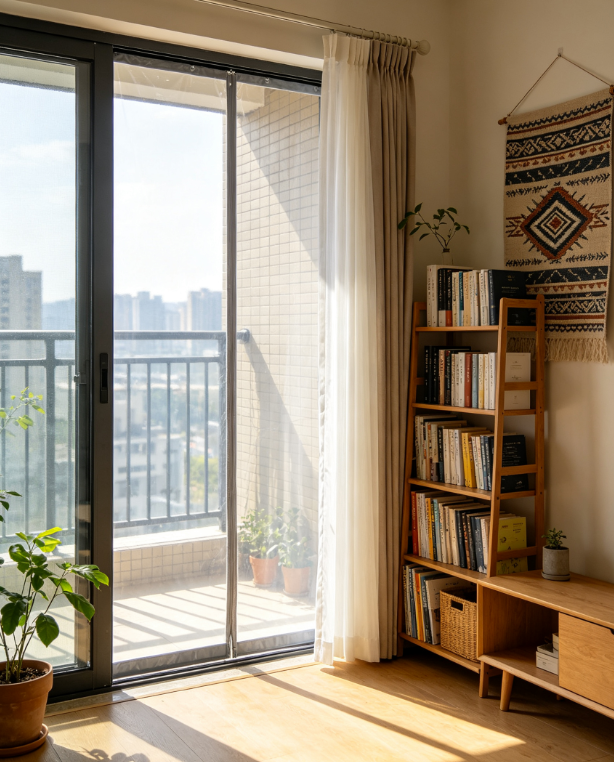
Wall & balcony temporary thermal protection. Thin exterior walls easily transfer outdoor extreme temperatures indoors. Tenants cannot add insulation boards or resurface walls, but soft furnishing layering creates effective passive insulation. Large tapestries, thick fabric wall hangings, upholstered headboards, and tall bookshelves placed against exterior walls buffer temperature transfer. Balcony spaces often bring harsh outdoor temperatures indoors; temporary privacy curtains and portable balcony wind screens block wind chill and direct sun exposure, preventing extreme temperature penetration through sliding door openings.
Smart seasonal routines to maximize energy savings. Simple renter-friendly habits amplify insulation effects year-round. In winter, close all curtains at night to trap indoor heat and open them during sunny daytime for passive solar warmth. Keep interior doors closed to contain heated or cooled air inside active rooms. In summer, block direct sunlight during peak heat hours and open windows for natural cross-ventilation during cool evenings. Avoid blocking HVAC vents with furniture or clutter to ensure efficient air circulation. These zero-cost routines stabilize indoor temperatures and reduce daily energy consumption.
Move-out thermal reset routine for full lease compliance. Remove all window insulation films and static coatings gently. Peel off temporary weatherstripping and foam gap seals. Take down thermal curtains, wall hangings, and draft blockers. Roll up insulating floor rugs and portable thermal layers. Wipe window and door frames clean to remove minor residual adhesive. Restore all original apartment fixtures and surfaces to their pre-upgrade condition.
All thermal insulation upgrades are 100% renter-safe. Every window film, draft stopper, weather strip, thermal textile, and wall buffer requires no drilling, no permanent sealing, no structural alteration, no glass tinting, and no wall modification. All energy-saving insulation methods are temporary, fully removable, residue-free, and security-deposit compliant.
Overall, renters do not need professional insulation renovations or window upgrades to fix drafty, temperature-unstable apartments. With temporary window sealing, solar heat blocking, door draft prevention, soft wall insulation layering, and smart seasonal habits, any rental unit can maintain stable, comfortable temperatures all year long. These non-destructive thermal insulation hacks eliminate chilly winter drafts and sweltering summer heat, drastically reduce monthly utility bills, improve indoor living comfort, and fully comply with all rental lease policies.