Embrace a Holistic Health: Your Guide to a Balanced and Vibrant Life
When we talk about “health”, most people first think of a body free from illness or physical strength. However, the World Health Organization (WHO) has long defined health as a state of complete physical, mental, and social well-being, not merely the absence of disease or infirmity. In the fast-paced modern life, many of us neglect this holistic understanding, focusing only on one aspect while ignoring the others, which ultimately affects our overall quality of life. Today, let’s explore what true health is and how we can cultivate it in daily life.
The Multifaceted Dimensions of Health
Health is not a single concept but a combination of multiple interrelated dimensions, each playing an indispensable role in our well-being.
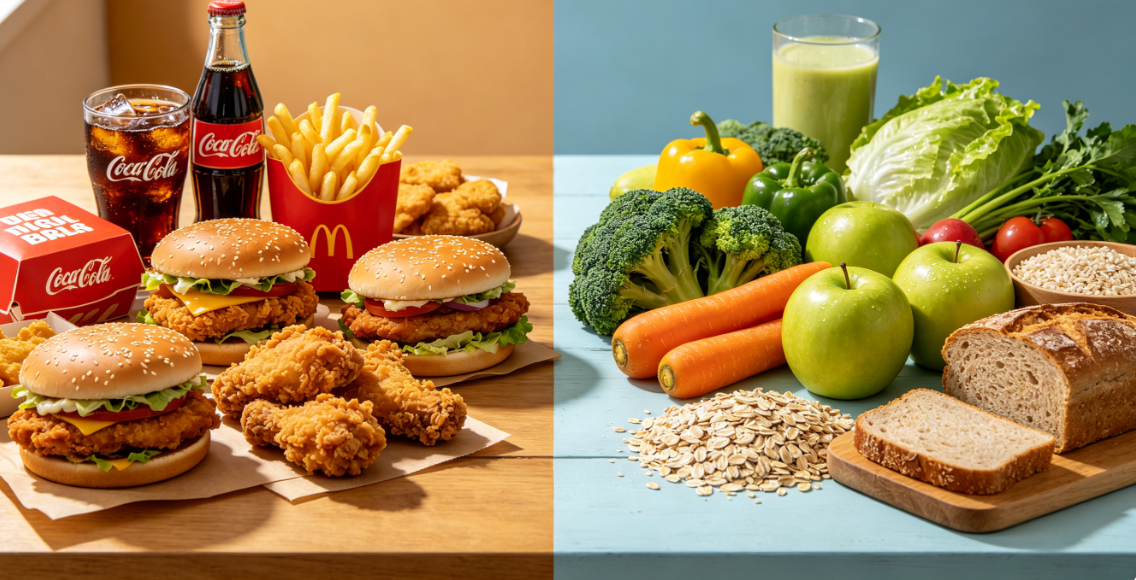
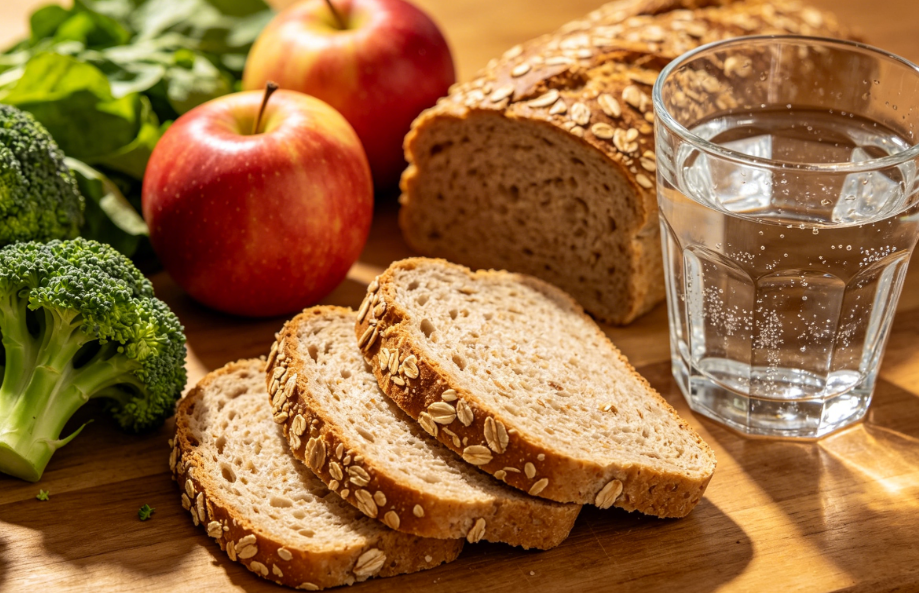
Physical health is the foundation of all other aspects. It refers to the normal operation of various bodily functions, including a strong immune system, healthy organs, and a well-coordinated body. Maintaining physical health requires scientific eating habits, moderate exercise, sufficient sleep, and staying away from harmful behaviors such as smoking and excessive drinking. For example, a balanced diet rich in fruits, vegetables, whole grains, and lean protein can provide the necessary nutrients for the body, while regular exercise helps enhance physical fitness and prevent chronic diseases.
Mental and emotional health is equally important. In modern society, people are facing increasing pressure from work, study, and life, leading to widespread problems such as anxiety, irritability, and even depression. Mental health means having the ability to recognize and express emotions, cope with daily stress, and maintain a positive and optimistic attitude. Ignoring mental health can not only affect our mood but also lead to physical problems, such as gastrointestinal disorders caused by long-term anxiety or increased risk of cardiovascular diseases due to depression.
Social health is often overlooked but crucial. It refers to the ability to establish and maintain good relationships with others, adapt to social environments, and participate in social activities actively. A strong social support system can bring us a sense of belonging and security, reduce loneliness, and even help us cope with setbacks and pressures more effectively. For instance, communicating with family and friends regularly, participating in community activities, and helping others can all enhance our social health.
Common Health Misconceptions to Avoid
In the pursuit of health, many of us fall into some misunderstandings, which not only fail to improve health but may even cause harm. Let’s clarify some common misconceptions:
First, confusing health products with drugs. Many people believe that taking vitamins, minerals, or other health supplements can treat chronic diseases such as hypertension and diabetes. In fact, health products can only assist in regulating body functions and cannot replace drugs. Long-term excessive intake of certain supplements may even cause poisoning, and arbitrarily stopping drugs in favor of health products can lead to uncontrolled illness.
Second, over-reliance on a single “super food”. Some people think that eating a certain food (such as lemon water or whole grains) in large quantities can solve all health problems. However, excessive consumption of lemon water may damage tooth enamel, and too much whole grains can cause gastrointestinal discomfort. A balanced diet requires a variety of foods, including grains, fruits, vegetables, meat, eggs, and milk, to meet the body’s nutritional needs.
Third, neglecting sleep quality. Many people believe that reducing sleep time will not affect health, but long-term sleep deprivation (less than 6 hours a day) will increase the risk of cardiovascular diseases and reduce immunity. In addition, using electronic devices before bed will inhibit the secretion of melatonin, and drinking alcohol to help sleep will damage the sleep structure, making it difficult to achieve deep sleep.
Fourth, blind dieting for weight loss. Extreme dieting can lead to malnutrition, menstrual disorders, and even eating disorders. Completely giving up staple foods will make the brain lack glucose for energy, and excessive restriction of fat intake will affect hormone synthesis. Scientific weight loss requires controlling total calories while ensuring protein intake, with a weekly weight loss of no more than 1 kilogram, and combining with resistance training to avoid muscle loss.
Practical Tips for Cultivating Holistic Health
Cultivating holistic health does not require drastic changes but starts with small daily habits. Here are some practical suggestions for you:
In terms of diet, follow the principle of “light, balanced, and diverse”. Eat at least 400 grams of fruits and vegetables every day, reduce salt intake to no more than 5 grams (about one teaspoon), and limit the intake of added sugars and harmful fats. Choose unsaturated fats from fish, avocados, and olive oil, and avoid trans fats in fried foods and pre-packaged snacks. At the same time, drink enough water (1500-2000ml per day) and avoid sugary drinks.
In terms of exercise, adhere to the principle of “moderate and persistent”. Healthy adults should do 150-300 minutes of moderate-intensity aerobic exercise or 75-150 minutes of high-intensity aerobic exercise every week, plus 2-3 times of resistance training. Choose sports that suit you, such as brisk walking, yoga, swimming, or cycling, and remember to warm up before exercise and stretch after exercise to avoid injury. For office workers who sit for a long time, get up and move for 5 minutes every hour to relieve waist and neck pressure.
In terms of sleep, develop a regular schedule. Go to bed before 23 o’clock and get up at a fixed time every morning, even on weekends. Create a comfortable sleep environment: keep the bedroom dark, quiet, and at a temperature of 18-22℃, and avoid using electronic devices one hour before bed. If you have trouble falling asleep, you can try listening to soothing music, soaking your feet in warm water (40℃, 15-20 minutes), or practicing meditation to relax.
In terms of mental health, learn to release pressure. When you feel anxious or depressed, communicate with family and friends in time, or seek professional psychological counseling. Develop hobbies that you like, such as reading, painting, or gardening, to enrich your spiritual life. At the same time, learn to accept your imperfections and maintain a positive and optimistic attitude towards life.
In terms of social health, actively participate in social activities. Keep in touch with family and friends, participate in community volunteer activities, and make new friends. Establish good interpersonal relationships, learn to respect and understand others, and enhance your sense of social belonging. A good social network can not only bring us happiness but also help us cope with difficulties and setbacks in life more bravely.
Conclusion: Health is a Lifelong Journey
Health is not a destination but a lifelong journey. It requires our continuous attention and efforts. In the busy modern life, we should not only pay attention to physical health but also attach importance to mental and social health, avoiding common health misconceptions and cultivating scientific living habits. Remember, every small change in daily life is a step towards health. Let’s embrace holistic health, live a balanced and vibrant life, and enjoy the beauty of life to the fullest.