Dental Health for All Ages: Myths, Tips, and Emergency Care
Dental health is a lifelong journey—from the first tooth that erupts in a baby’s mouth to caring for aging teeth in adulthood. Yet, many people hold misconceptions about dental care that can harm their oral health over time. Additionally, dental emergencies can happen unexpectedly, leaving people unsure of how to respond. This article addresses common dental myths, provides age-specific dental care tips, and offers guidance for handling dental emergencies, helping you and your family maintain healthy teeth and gums at every stage of life.
Oral health is more than just having a bright smile; it’s a critical part of overall health. Poor dental hygiene can lead to pain, tooth loss, and even link to serious health conditions like heart disease and stroke. By separating fact from fiction, adapting care to your age, and knowing how to handle emergencies, you can protect your oral health and avoid unnecessary dental problems.
Common Dental Myths Debunked
Misinformation about dental care is widespread, and these myths can prevent people from taking the right steps to protect their teeth. Let’s break down some of the most common dental myths and set the record straight:
Myth 1: “Brushing harder cleans teeth better.”
False. Brushing too hard can damage tooth enamel and irritate or even recede gums. Enamel is the hard, protective outer layer of teeth, and once it’s worn down, it can’t be replaced. Instead of brushing hard, use a soft-bristled toothbrush and gentle circular motions. The goal is to remove plaque, not scrub the teeth.
Myth 2: “If my teeth don’t hurt, they’re healthy.”
False. Many dental problems, such as early cavities, gum disease, and even oral cancer, have no obvious symptoms in their early stages. By the time you feel pain, the problem may have already progressed to a more serious stage, requiring more extensive treatment. Regular dental check-ups are essential to catch these issues early.
Myth 3: “Fluoride is harmful and should be avoided.”
False. Fluoride is a natural mineral that strengthens tooth enamel and prevents cavities. It is safe and effective when used as directed. Most tap water contains fluoride, and using fluoride toothpaste is one of the easiest ways to protect your teeth. For children, fluoride treatments from a dentist can provide extra protection against cavities.
Myth 4: “Dental care is only for adults.”
False. Dental care should start as soon as a baby’s first tooth erupts (usually around 6 months of age). Early dental care helps set the foundation for lifelong oral health, preventing cavities and teaching children good habits. Kids, teens, adults, and seniors all need tailored dental care to meet their unique needs.
Age-Specific Dental Care Tips
Dental needs change as we age, so it’s important to adapt your oral care routine to your life stage. Here are practical tips for different age groups:
For Babies and Toddlers (0–3 Years)
• Clean your baby’s gums with a soft, damp cloth before teeth erupt to remove bacteria. • Once the first tooth comes in, brush it gently with a tiny amount of fluoride toothpaste (about the size of a grain of rice). • Avoid putting your baby to bed with a bottle of milk, formula, or juice—this can cause “baby bottle tooth decay.” • Schedule the first dental visit by the age of 1 or when the first tooth erupts.
For Kids (4–12 Years)
• Supervise brushing until your child is able to do it properly (usually around age 7). • Use a pea-sized amount of fluoride toothpaste. • Encourage flossing daily—use floss picks or colorful floss to make it fun. • Limit sugary snacks and drinks, and encourage drinking water instead. • Consider dental sealants, a thin coating applied to the back teeth to prevent cavities.
For Teens (13–18 Years)
• Remind teens to brush twice a day and floss daily, especially if they wear braces (braces can trap food and plaque easily). • Discourage habits like chewing gum with sugar, biting nails, or using teeth to open packages. • Talk to your dentist about wisdom teeth—they often erupt during the teen years and may need to be removed if they cause crowding or pain. • Protect teeth during sports with a mouthguard.
For Adults (19–64 Years)
• Maintain a consistent routine: brush twice a day, floss daily, and use mouthwash. • Visit the dentist every 6 months for check-ups and cleanings. • Limit coffee, tea, and red wine to prevent tooth staining; rinse your mouth with water after consuming these. • If you grind your teeth, ask your dentist about a custom mouthguard. • Quit smoking or using tobacco products, as they increase the risk of gum disease and oral cancer.
For Seniors (65+ Years)
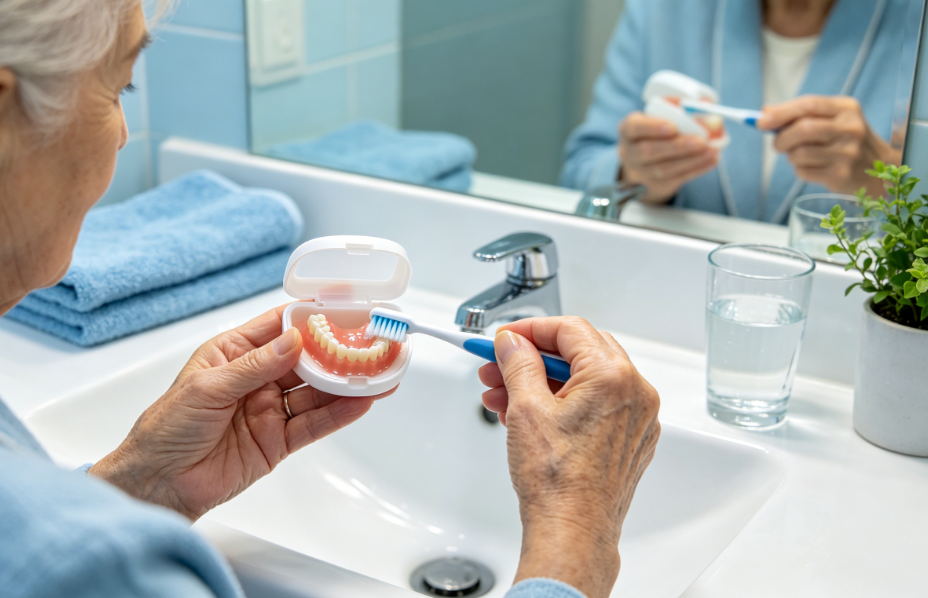
• Brush with a soft-bristled toothbrush to avoid irritating sensitive gums. • If you have dentures, clean them daily and soak them in a denture cleaner overnight to remove bacteria. • Stay hydrated—dry mouth (common in seniors) increases the risk of cavities and bad breath. • Visit the dentist regularly, even if you have dentures, to check for oral cancer and other issues. • Eat soft, nutrient-dense foods to avoid damaging teeth or dentures.
How to Handle Common Dental Emergencies
Dental emergencies can happen at any time—whether it’s a chipped tooth, a knocked-out tooth, or severe tooth pain. Knowing how to respond can help minimize damage and save your tooth. Here’s what to do in common emergency situations:
1. Knocked-Out Tooth (Avulsion)
• Pick up the tooth by the crown (the visible part), not the root (the part that goes into the gum). • Rinse the tooth gently with water if it’s dirty—do not scrub it. • Try to reinsert the tooth back into its socket, gently pushing it into place. • If you can’t reinsert it, put the tooth in a cup of milk or saliva to keep it moist. • Visit a dentist within 30 minutes—this is the best chance to save the tooth.
2. Chipped or Cracked Tooth
• Rinse your mouth with warm water to clean the area. • Apply a cold compress to the cheek near the damaged tooth to reduce swelling. • Save any broken pieces of the tooth. • Visit a dentist as soon as possible—chipped or cracked teeth can become infected if not treated.
3. Severe Tooth Pain
• Rinse your mouth with warm salt water (1 teaspoon of salt in 8 ounces of water) to reduce inflammation. • Avoid hot, cold, sweet, or acidic foods that may worsen the pain. • Take an over-the-counter pain reliever (like ibuprofen) as directed—do not place aspirin directly on the gums, as it can cause irritation. • Visit a dentist immediately to find the cause of the pain (it could be a cavity, infection, or gum issue).
4. Lost Filling or Crown
• Rinse the filling or crown with water to clean it. • If the crown is loose but still fits, you can temporarily reattach it with dental cement (available at drugstores). • Avoid chewing on the side of the mouth with the lost filling or crown. • Visit a dentist within 24–48 hours to have it replaced or repaired.
Conclusion: Prioritize Dental Health at Every Age
Dental health is not a one-size-fits-all approach—it requires adapting to your age, debunking myths, and being prepared for emergencies. By following age-specific tips, practicing good daily oral hygiene, and visiting the dentist regularly, you can keep your teeth and gums healthy for a lifetime.
Remember, dental care is an investment in your overall health. Small, consistent habits—like brushing, flossing, and avoiding harmful practices—can prevent painful and costly dental problems. Whether you’re caring for a baby’s first tooth or maintaining your own teeth in adulthood, prioritizing dental health will help you keep a healthy, confident smile.