Allergen-Free Home Cleaning: Step-by-Step Routine to Reduce Dust Mites, Pollen and Pet Allergens

Many people experience persistent indoor allergy symptoms including sneezing, itchy eyes, stuffy noses and mild asthma irritation despite regular house cleaning. This common issue occurs because standard cleaning routines target visible dirt while ignoring microscopic indoor allergens. Dust mites, trapped pollen, pet dander, and mold spores are invisible to the naked eye yet circulate continuously in residential air and fabric surfaces.
Common Hidden Indoor Allergens & Where They Accumulate
Indoor allergic reactions are rarely caused by poor air quality alone. Most recurring symptoms stem from four stable indoor allergen sources that build up in everyday living spaces.
Dust mites are the leading household allergen. They thrive in warm, humid environments and feed on human skin flakes. Mattresses, pillows, bedding, carpets, and padded sofa cushions host millions of microscopic dust mites and their waste particles, which are the primary trigger for nighttime and morning allergy flare-ups.
Pet dander consists of tiny skin flakes and protein residues from cats and dogs. Unlike pet hair, dander is lightweight, airborne, and sticky. It adheres to walls, fabrics, curtains, and upholstery, remaining suspended in indoor air for hours after routine cleaning.
Pollen enters homes through open windows, doorways, and clothing. It settles on floors, window sills, and soft furnishings, accumulating heavily during seasonal changes. Pollen particles mix with household dust and cause continuous seasonal indoor allergies.
Micro mold spores develop in hidden humid zones including bathroom corners, window condensation areas, and damp fabric folds. Even non-visible mold growth releases spores that irritate sensitive respiratory systems.
Why Regular Cleaning Fails to Remove Allergens
Traditional cleaning methods often worsen indoor allergen levels unintentionally. Dry sweeping, dry dusting, and non-HEPA vacuuming stir settled microscopic particles back into the air. These floating allergens resettle across furniture and floors, creating a recurring contamination cycle.
Surface-only wiping ignores deep fabric contamination. Most allergens hide inside cushion fibers, mattress layers, and carpet piles, not just on surface exteriors. Superficial cleaning cannot remove embedded particles.
Many cleaning tools trap and redistribute allergens. Ordinary vacuum filters, dusty cloths, and unwashed mop pads collect dander and dust mites, spreading contaminants to clean areas during every cleaning session.
Practical Step-by-Step Allergen Reduction Cleaning Routine
Daily Allergen Control (5–10 Minutes)
Consistent micro-maintenance prevents allergen buildup from reaching reaction-triggering levels. Use only damp microfiber cloths for daily surface dusting to trap micro-particles without stirring air allergens. Dry cloths and feather dusters scatter fine dander and pollen into the air.
Change indoor air circulation habits daily. Close windows during high-pollen seasons in the early morning and evening to block outdoor pollen intake. Maintain gentle indoor airflow to reduce humid stagnation where dust mites thrive.
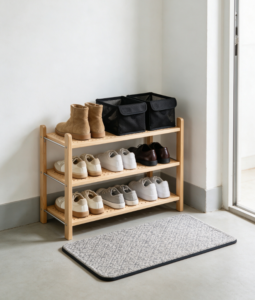
Wipe entryway floors and shoe soles after outdoor activity to reduce tracked-in pollen and outdoor allergens.
Weekly Deep Allergen Cleaning
Weekly routines focus on fabric and high-contact allergen hotspots. Use a HEPA-filter vacuum for all soft surfaces, including mattresses, pillows, sofas, carpets, and rugs. Standard vacuums blow fine allergens back into the air, while HEPA systems trap over 99% of microscopic particles.
Wash all removable bedding, pillowcases, cushion covers, and pet blankets with warm water. Regular laundry removes surface dust mites, dander, and pollen accumulation before they embed deeply into fabric fibers.
Wipe down walls, window frames, and baseboards with a damp cloth. These vertical surfaces collect massive floating pollen and dander that daily floor cleaning misses.
Monthly Targeted Allergen Removal
Perform deep cleaning on hidden allergen reservoirs every month. Clean air conditioner filters, fan blades, and indoor vent covers. Clogged air filters continuously circulate trapped dust mites, pollen, and mold spores throughout the entire house.
Deep vacuum furniture gaps, mattress edges, and carpet corners. These undisturbed zones become dense dust mite breeding grounds. Wipe down window screens thoroughly to remove layered pollen buildup.
Sanitize and replace cleaning cloths. Dirty cloths store massive allergens and cause cross-contamination during routine wiping.
Room-by-Room Allergen Cleaning Focus Points
Bedroom (Highest Allergen Risk Zone)
Bedrooms contain the highest concentration of dust mites due to continuous human contact, body heat, and overnight humidity accumulation. Always prioritize bedding maintenance and mattress vacuuming. Avoid storing piles of clothes, blankets, and plush toys on beds, as cluttered fabric creates additional dust mite habitats.
Keep bedroom humidity stable and moderate. High indoor humidity directly accelerates dust mite reproduction. Simple ventilation and dehumidification significantly reduce long-term allergen density.
Living Room & Pet Areas
Upholstered furniture and carpets are the main pet dander and pollen storage zones. Vacuum fabric surfaces twice weekly and wipe hard surfaces regularly to reduce sticky dander residue accumulation. Minimize excess decorative textiles such as heavy throws and unnecessary fabric decorations that trap invisible allergens.
Bathroom & Humid Zones
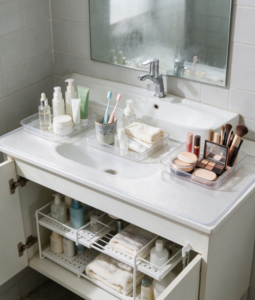
Bathroom allergen risks mainly come from mold spores caused by residual moisture. After each use, eliminate standing water and ventilate fully. Clean tile grout, shower tracks, and drain edges weekly to prevent mold growth that triggers respiratory allergies.
Common Allergen Cleaning Mistakes to Avoid
Over-reliance on air fresheners: Scented products mask symptoms but do not remove allergens; added fragrances often irritate sensitive airways further.
Dry dusting before wet cleaning: Dry stirring releases massive airborne allergens that prolong indoor irritation.
Infrequent bedding washing: Unwashed bedding accumulates layers of skin flakes, dust mites, and waste particles that worsen overnight allergies.
Ignoring air filter maintenance: Dirty HVAC and vacuum filters are the biggest hidden cause of recurring indoor allergens.
Long-Term Habits to Maintain an Allergen-Reduced Home
Maintain consistent indoor humidity control between 40% and 50%. This range inhibits dust mite activity and mold growth without drying indoor air excessively.
Adopt a dry-first, low-disturbance cleaning method. Minimize sweeping and dry brushing to avoid airborne allergen circulation.
Reduce unnecessary fabric clutter. Extra textiles are the largest allergen traps in modern households.
Conclusion
A low-allergen home does not require sterile environments or excessive chemical sanitation. It relies on targeted cleaning routines that capture, remove, and prevent microscopic allergens at their source. By using HEPA vacuuming, damp dusting, regular fabric maintenance, and humidity control, homeowners can effectively reduce dust mites, pet dander, pollen, and mold spores. Consistent low-disturbance cleaning eliminates recurring indoor allergy symptoms and creates a genuinely clean, healthy, and comfortable living space for sensitive families, pets, and seasonal allergy sufferers.