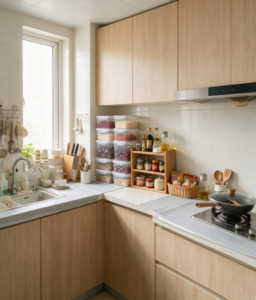
Narrow Kitchen Cabinet Storage: Practical Renter Solutions for Small Apartment Spaces
Why Narrow Rental Kitchen Cabinets Are So Hard to Keep Organized
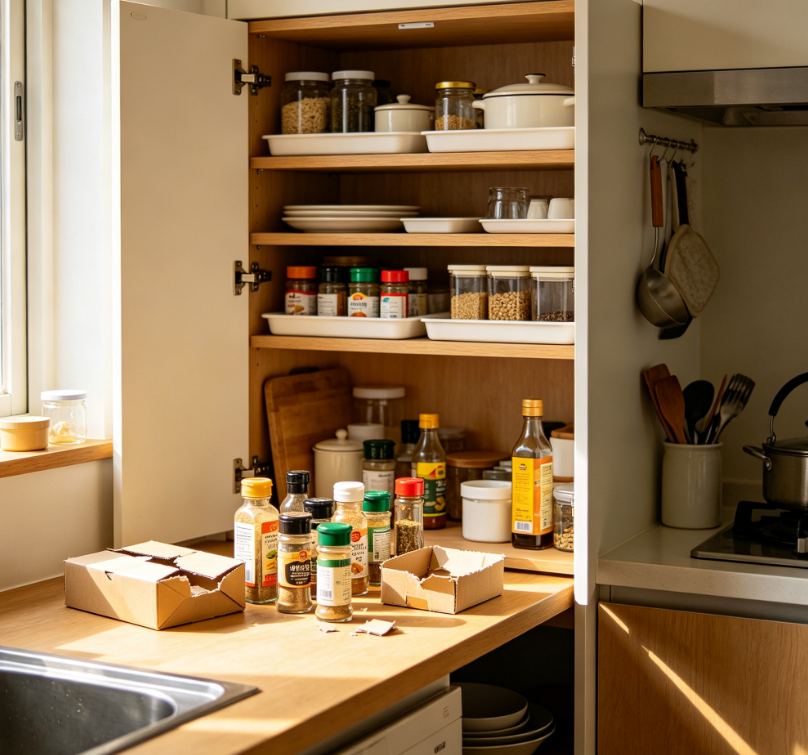
After renting seven small city apartments over the past decade, I’ve run into the same frustrating kitchen flaw every single time: undersized, narrow upper cabinets with zero thoughtful design for daily cooking storage. Unlike custom home cabinetry, rental kitchen cabinets prioritize cost savings over functionality, leaving tiny, cramped spaces that struggle to hold even basic cooking essentials. My current upper kitchen cabinet, the main storage zone for spices, sauces, and small cooking tools, has exact internal measurements I’ve documented through countless organizing attempts: 52cm wide, 27cm deep, and 34cm tall.
This shallow, narrow build creates unique struggles that generic storage hacks never address. Tall sauce bottles tip over at the slightest touch. Small spice jars vanish into the unused back gap. Half-empty packet seasonings pile up and create messy, unorganized layers. I used to spend 15 minutes every weekend reorganizing this cabinet, only for it to fall back into disarray by mid-week. I long assumed my casual packing habits were to blame, until I tested two top-selling kitchen cabinet organizers and realized most popular tools are engineered for deeper, wider cabinets found in larger homes, not compact rental layouts.
Two Trendy Cabinet Organizers That Failed My Narrow Kitchen Space
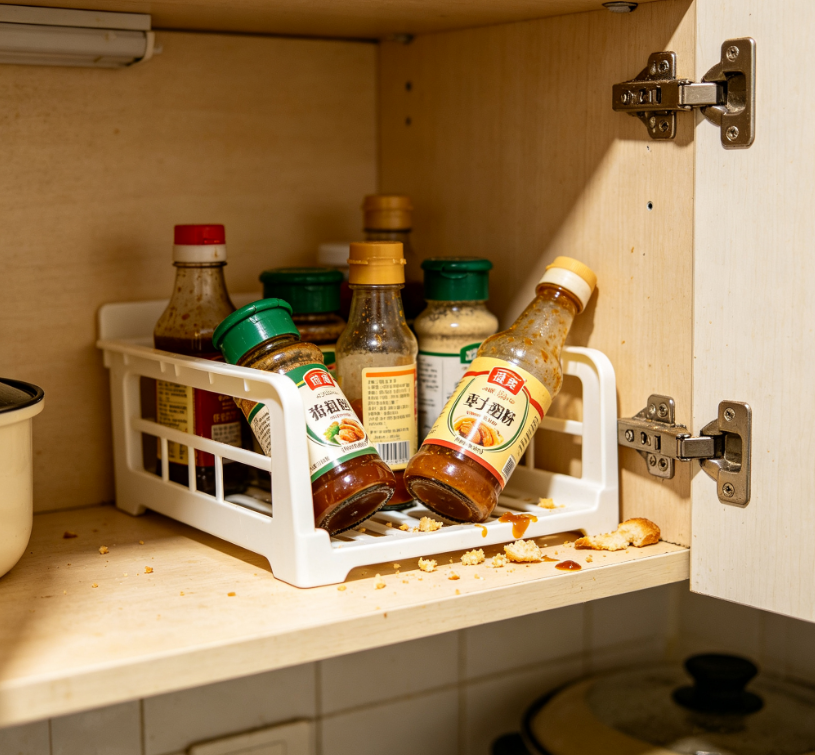
The first product I tried was a popular adjustable multi-tier spice shelf, a staple recommendation for small kitchen storage online. Its expandable width seemed flexible enough to fit my cabinet, but its fixed 29cm depth created an immediate mismatch with my 27cm shallow cabinet. I hoped the tiny overhang would go unnoticed, but daily use quickly exposed persistent issues.
The shelf’s rear edge pressed firmly against the cabinet’s back wooden panel, while the front lip protruded slightly outward. Every time I shut the cabinet door, the plastic frame endured subtle pressure. Over a month, this repeated tension warped the shelf’s lightweight plastic frame slightly, making the entire unit sit lopsided. Bottles rolled and tilted on the uneven tiers, and the tight fit trapped crumbs and sticky sauce residue behind the shelf. Cleaning those cramped hidden gaps was far more work than tidying the original bare cabinet. I eventually removed the shelf, as it created more clutter and maintenance than it solved.
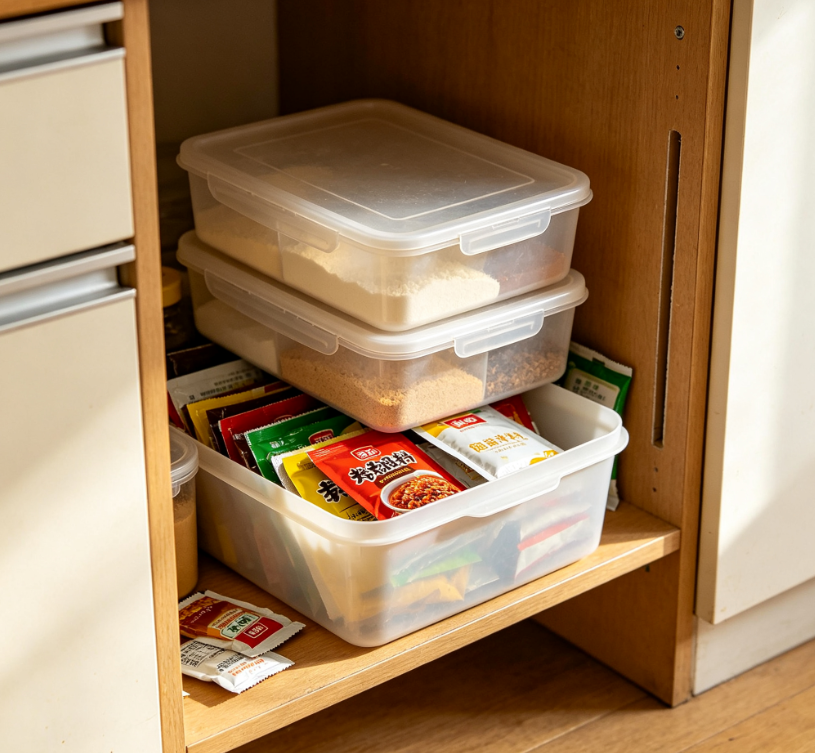
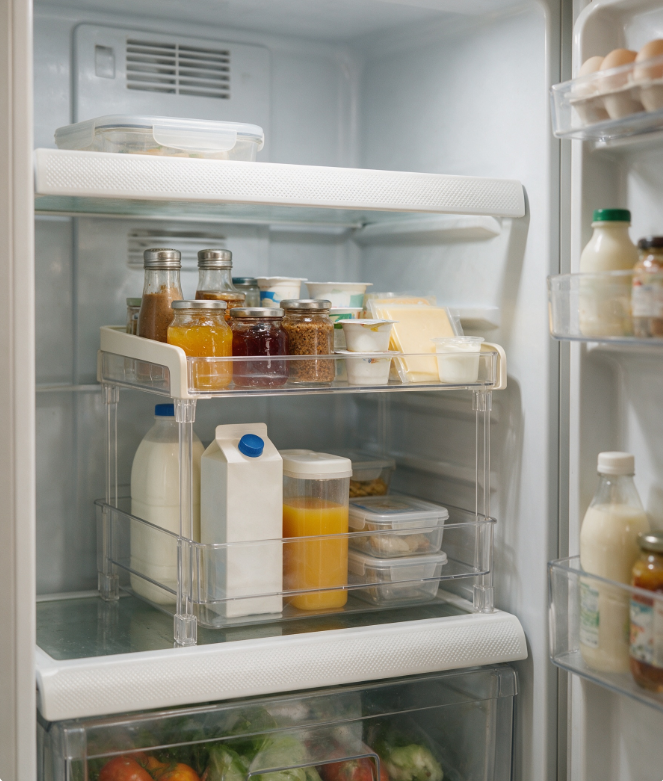
I also tested uniform square stackable storage bins, widely used for sorting dry seasonings and snack packets. These clear bins look neat and structured in social media photos, but their rigid design wastes massive space in narrow, shallow cabinets. Each bin has a fixed 11cm height, limiting me to only two stacked layers inside my 34cm cabinet. The straight vertical sides could not adapt to the slight uneven wall gaps common in older rental cabinets, leaving narrow unused strips on both sides that collected dust and debris.
Daily usability suffered the most. To access small items in the bottom bin, I had to lift and shift the entire top container every time I cooked. This repetitive hassle made me lazy about proper sorting. Loose seasoning packets and small sauce sachets started piling on top of the stacked bins, slowly undoing all organization. The rigid structure also could not accommodate tall, slender sauce bottles, forcing me to store them awkwardly beside the bins and wasting valuable shelf real estate.
Custom Low-Fuss Storage Layout for Narrow Shallow Cabinets
After ditching these ill-fitting generic organizers, I rebuilt my cabinet layout entirely around my space’s fixed limitations. I stopped trying to force standard storage tools to work and focused on shallow-profile, flexible solutions that adapt to rental cabinet dimensions and everyday cooking routines.
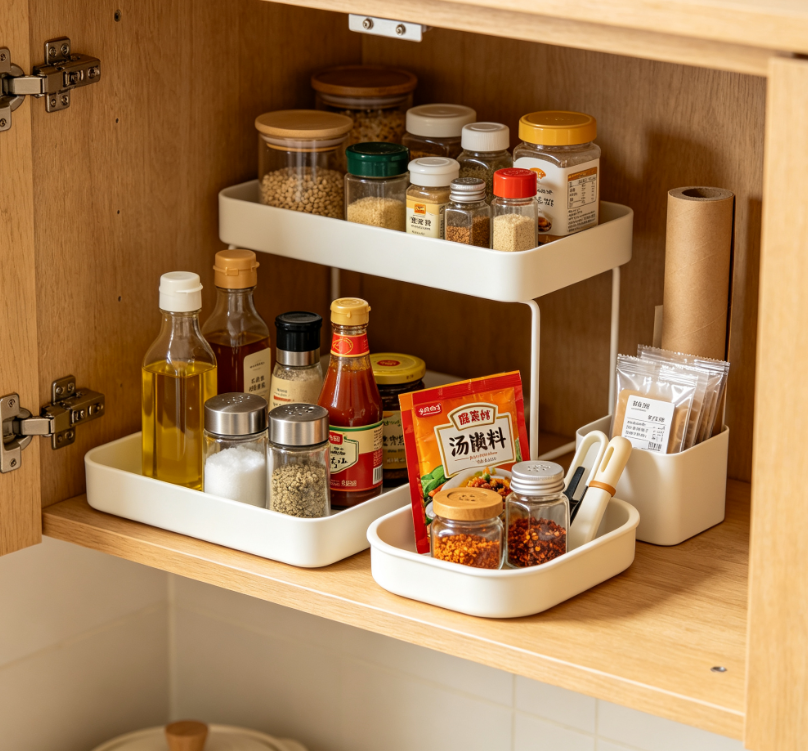
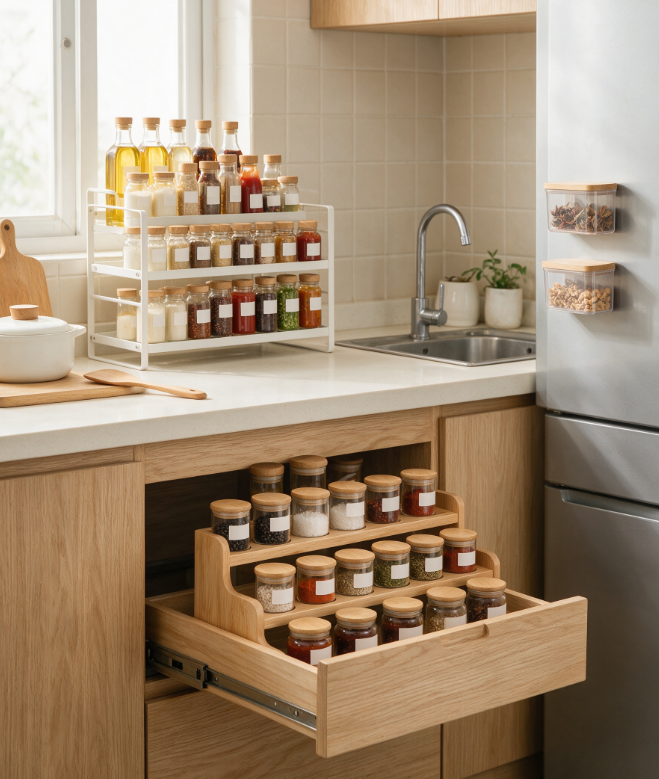
I replaced the over-sized adjustable spice shelf with two fixed 26cm shallow tiered risers. The 1cm buffer depth ensures the shelves sit fully flush inside the cabinet, with no pressure on the door or back panel. I staggered the two risers slightly front to back, rather than aligning them perfectly side by side. This simple tweak creates better visibility for both front and rear items. The front tier holds daily-use items: cooking oil mini bottles, salt, pepper, and common sauce jars. The rear tier stores less frequent seasonings, specialty spices, and baking additives.
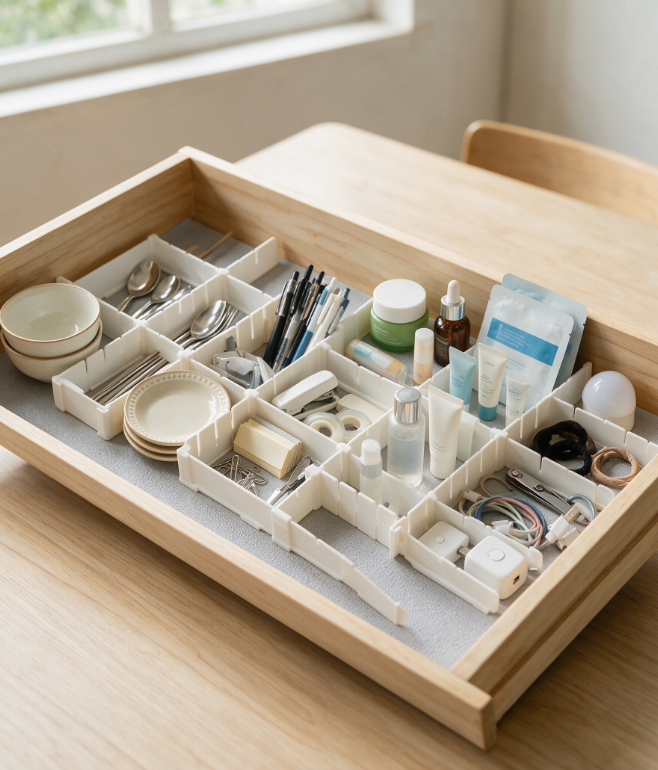
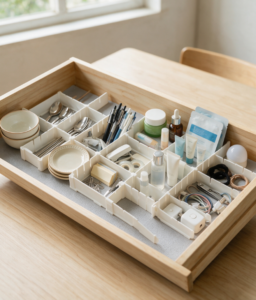
I swapped rigid square bins for low-profile open rectangular trays with soft rounded edges. These flexible trays fit the uneven side gaps of older rental cabinets perfectly, utilizing fragmented space that rigid bins waste. I dedicate one tray entirely to small loose packets like soup seasonings, marinade mixes, and chili flakes. A second tray holds tiny tools: mini measuring spoons, spice scoops, and bottle funnels. The open-top design lets me grab single items without rearranging entire stacks during meal prep.
The thin rear gap of the cabinet, once a dead zone for lost items, now holds slim flat paper organizers for parchment paper, seasoning labels, and small food seal bags. This repurposed gap storage keeps flat clutter off the main shelf surface without crowding usable space.
Honest Pros and Cons of This Rental-Friendly Cabinet System
This tailored layout resolves the core pain points of narrow, shallow rental kitchen cabinets. Shallow risers eliminate door pressure, shelf warping, and hidden residue buildup. Staggered tiering improves item visibility, reducing the chance of forgotten spices expiring in rear gaps. Freestanding, non-adhesive organizers leave no scratches or drill holes, complying with strict rental move-out rules. Open tray containment prevents small items from scattering, cutting down on daily tidying time during cooking.
This setup has clear drawbacks that are important to acknowledge. Shallow shelf depth cannot support large bulk sauce bottles or oversized seasoning containers, so bulk grocery items need separate pantry storage. Multiple small trays create more individual pieces to sort during seasonal deep cleans. Open trays offer no dust protection, so unused spices can collect fine kitchen dust over time. This layout also relies on consistent item grouping; mixing frequent and occasional supplies can reduce its accessibility benefits.
Small Cooking Habit That Prevents Cabinet Clutter Relapse
Most narrow cabinet clutter doesn’t stem from bad organizers, but from excess packaging and untrimmed container bulk. Store-bought spice boxes and bulky plastic packaging take up unnecessary space in shallow cabinets, pushing items out of alignment and creating unstable stacking.
I remove all outer cardboard and thick plastic packaging from new seasonings and sauces before storing them. This quick step reduces overall item volume significantly and lets every container sit flat and stable on shelf surfaces. I also do a quick monthly check to discard expired spices and relocate unused items. This low-effort routine stops gradual overcrowding and keeps the cabinet functional without time-consuming full reorganizations.
Years of renting and testing kitchen storage hacks have taught me that small apartment cabinets don’t need fancy, oversized organizers. Sustainable organization comes from working with your cabinet’s fixed size, not against it. Simple, space-adaptive setups always deliver more reliable, low-maintenance results for everyday rental kitchen life.