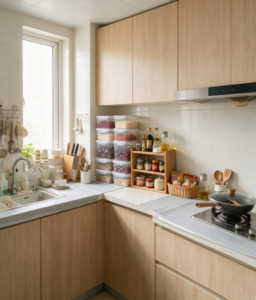
Renter Moving & Packing Guide (Damage-Free, Stress-Free Apartment Moving Hacks)
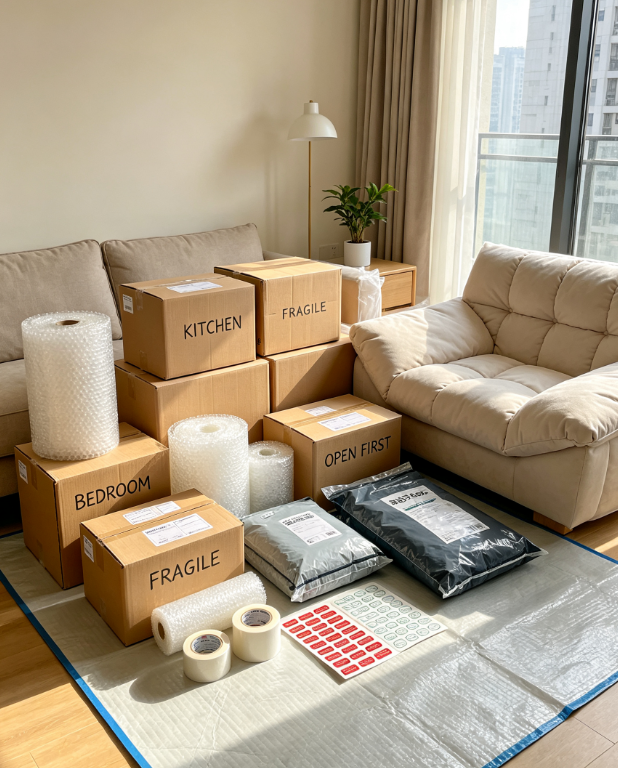
Moving in and out of rental apartments is one of the most stressful experiences for tenants. Unlike homeowners who move with full renovation freedom and permanent furniture layouts, renters face strict move-in and move-out standards, security deposit rules, and zero-tolerance for property damage during relocation. Improper packing, careless furniture moving, unprotected walls, and disorganized item transport often result in scratched floors, chipped door frames, scuffed walls, broken fixtures, and expensive inspection deductions. Many renters also struggle with messy unpacking, misplaced belongings, chaotic temporary storage, and cluttered new apartment spaces after moving day. This complete renter-focused moving and packing guide shares damage-free moving strategies, efficient sorting methods, space-saving packing hacks, and lease-compliant relocation routines to help tenants move smoothly, protect rental property, and avoid unnecessary moving losses.
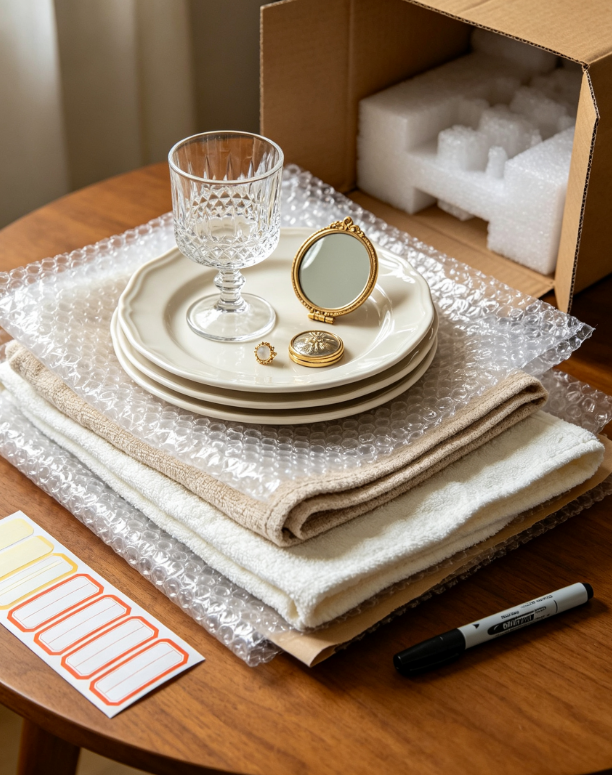
Common renter moving mistakes that cost time and money. Most rental moving issues stem from unprepared packing and unprotected relocation. Tenants often skip pre-move apartment inspections, pack items randomly without classification, move bulky furniture without protective padding, and leave loose small items unboxed. These careless behaviors cause wall scuffs, floor scratches, door dents, and broken personal belongings during transportation. Additionally, many renters fail to sort unused items before moving, leading to heavier loads, higher moving costs, and repeated clutter in the new apartment. Another critical mistake is ignoring move-out reset standards, leaving adhesive residue, dust buildup, and minor damage that results in security deposit reductions. The core principle of renter-safe moving is pre-move sorting, full property protection, classified packing, damage-free transportation, and thorough move-out restoration.
Pre-move decluttering & sorting to reduce moving load. Before packing any items, targeted decluttering drastically simplifies the entire moving process. Renters should conduct a full apartment inventory one to two weeks before moving day. Sort all belongings into four categories: keep, donate, discard, and store. Dispose of expired toiletries, broken small appliances, worn-out textiles, and useless decor. Donate functional but unused furniture, clothing, and household items to reduce box quantity and moving weight. Seasonal items, rarely used tools, and sentimental items can be placed in portable storage boxes for long-term safekeeping. Effective pre-move decluttering eliminates redundant moving costs and prevents bringing old clutter into the new rental apartment.
Lease-safe packing hacks for different household items. Scientific classified packing protects personal items and simplifies post-move unpacking. Fragile items including tableware, glass cups, mirrors, and decorative ornaments need layered soft wrapping with bubble wrap, clean towels, and clothing to prevent cracks and scratches. Electronic devices and small home appliances should be packed with original padding or soft fabric buffers, with cables sorted and labeled separately. Clothing, bedding, and textiles can be placed in vacuum storage bags to save box space and prevent dust accumulation. Daily necessities, cleaning tools, and emergency items should be packed in a dedicated open-first box for immediate use after moving in. Clear labeling on every box helps tenants quickly locate items during unpacking.
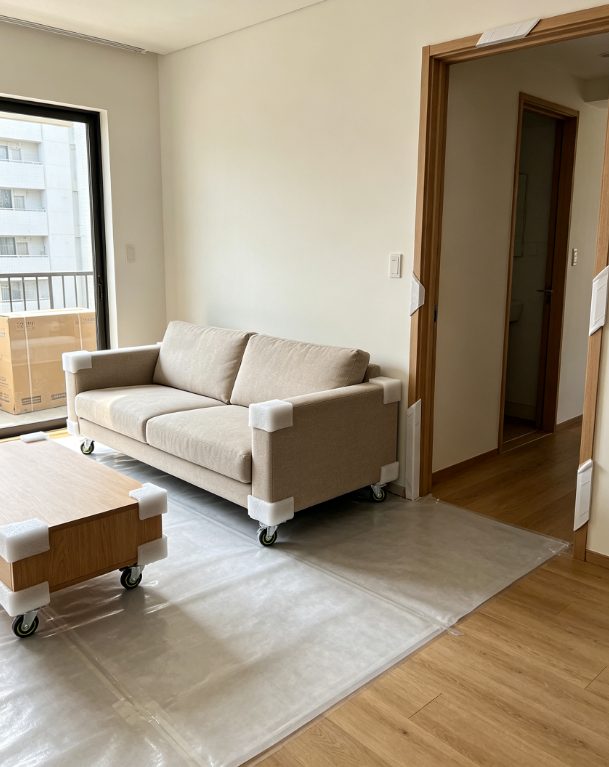
Damage-free furniture moving to protect rental walls & floors. Bulky furniture is the main cause of rental property damage during moving. Sofas, beds, tables, and cabinets easily scrape walls, door frames, baseboards, and hardwood floors during transportation. Renters can use portable, removable protective tools to avoid all damage. Furniture moving pads, soft edge protectors, and anti-scratch floor mats shield walls, door corners, and floor surfaces. Furniture sliders allow heavy items to glide smoothly without scratching tile, laminate, or wood flooring. Dismantle detachable furniture parts such as table legs, headboards, and shelf boards in advance to reduce volume and avoid collision damage. All protective tools are reusable, portable, and leave zero residue on rental surfaces.
Wall, door & fixture protection during move-out relocation. Moving large items through narrow apartment hallways and doorways frequently causes accidental dents and scuffs. Temporary removable door frame protectors, wall corner guards, and reusable foam buffers block impact damage effectively. Tenants should also remove all protruding decor, hooks, and small fixtures before moving large furniture to avoid snags and breakage. Cover kitchen and bathroom cabinet edges, faucet tips, and sharp fixture corners with soft covers to prevent collision damage during the moving process. These simple protective steps completely avoid move-related property deductions.
Efficient unpacking routine for new rental apartments. Scientific unpacking makes the new apartment tidy and livable in a short time. Prioritize unpacking daily necessities, bedding, toiletries, and kitchen tableware to restore basic living functions. Unpack large furniture first and fix the overall layout, then place storage boxes by category. Finish sorting fragile items and electronic equipment early to avoid loss and damage. Conduct a simple cleaning after unpacking to remove moving dust and restore a fresh living environment. Classified unpacking avoids long-term box stacking and post-move clutter chaos.
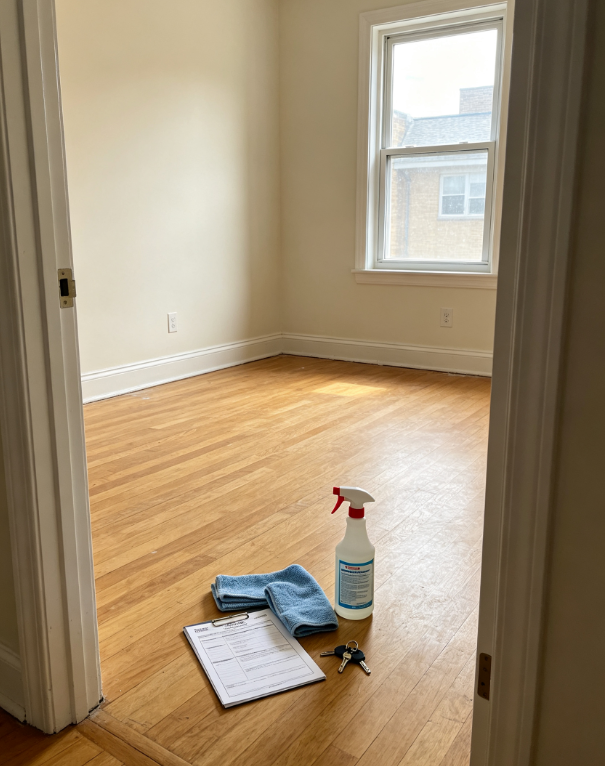
Final move-out inspection checklist for full deposit return. After all items are moved out, conduct a comprehensive self-inspection before the landlord’s official check. Check all walls, floors, doors, and windows for new moving scratches and scuffs. Remove all residual adhesive, tape marks, and box dust. Clean empty cabinets, drawers, appliance interiors, and hidden cleaning dead zones. Verify no furniture indentations, fixture damage, or leftover garbage remains. Restore the entire apartment to original move-in condition to ensure a full security deposit refund.
All moving methods are 100% renter compliant. Every packing skill, furniture protection tool, floor guard, wall buffer, and pre-move routine requires no drilling, no permanent installation, no structural modification, and no property alteration. All protective measures are temporary, removable, residue-free, and fully lease-compliant.
Overall, rental moving does not have to be chaotic or costly. With systematic pre-move decluttering, classified scientific packing, full property protection during transportation, standardized unpacking routines, and thorough final inspections, renters can complete the entire moving process efficiently and stress-free. These renter-friendly moving and packing hacks protect personal belongings, prevent rental property damage, eliminate unnecessary moving expenses, and fully comply with all apartment lease regulations, ensuring a smooth transition between rental homes.