Renter-Friendly Wall Repair Hacks (No-Professional Fixes to Restore Walls Before Move-Out)
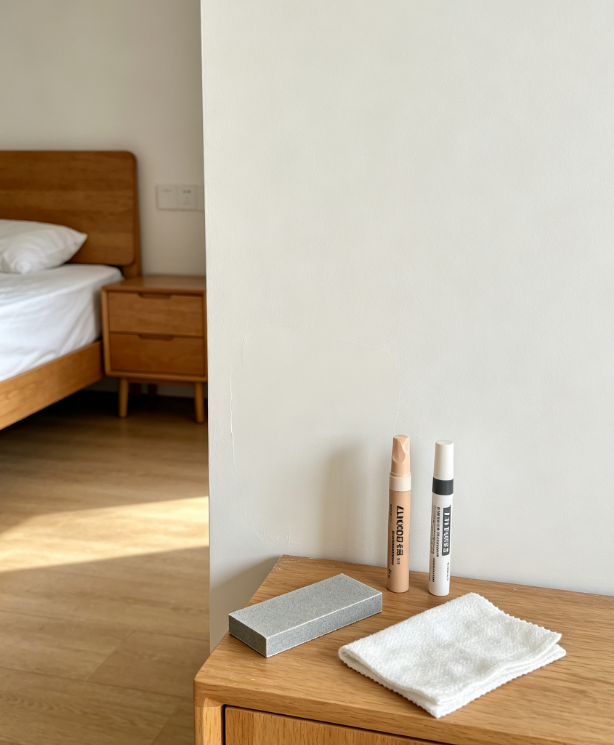
Wall damage is the number one cause of security deposit loss for apartment renters. After months or years of living in a rental, walls inevitably accumulate small nail holes, adhesive residue, scuff marks, peeling paint, crayon stains, dents, and minor drywall cracks. Most landlords charge expensive professional repair fees, repainting costs, and wall resurfacing fees for even tiny blemishes during move-out inspections. Unlike homeowners who can perform full wall renovations, repaint entire rooms, or replace damaged drywall freely, renters face strict rules regarding structural repairs and unauthorized painting. Many tenants fear wall repair because they believe DIY fixes will make walls look worse or violate lease policies. However, almost all common rental wall damage is reversible with temporary, renter-safe repair methods that restore walls to their original builder-grade condition. These non-invasive fixes require no power tools, no permanent alterations, and no professional contractors, allowing renters to pass final inspections and recover their full security deposit.
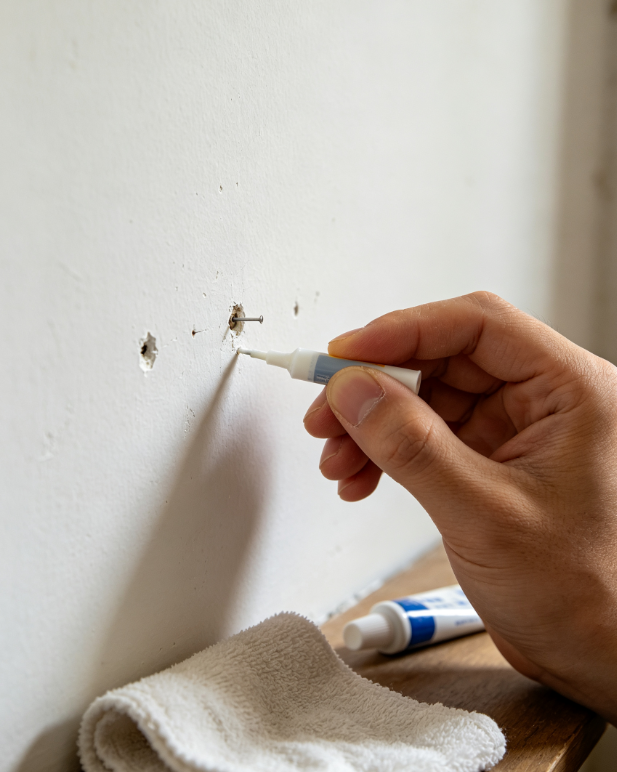
Most common rental wall damages that cost renters money. Understanding typical move-out wall issues helps tenants target repairs correctly. Tiny pin holes from poster tacks and small nails are the most common issue. Large holes from removed shelves and hooks create obvious drywall damage. Peel marks and paint chips from removed adhesive tapes and command strips ruin smooth wall texture. Furniture scuffs, shoe marks, dirt smudges, and pet scratches discolor flat paint surfaces. Water stains near windows or baseboards create uneven discoloration. Many renters make the mistake of leaving these minor issues untreated, assuming landlords will overlook them, or attempting improper repairs that create patchy, uneven walls that require full-room repainting charges. The core principle of renter-safe wall restoration is invisible hole filling, color matching, texture blending, residue removal, and zero permanent wall modification.
No-sand DIY fixes for small nail & pin holes. Tiny pinholes and nail indentations are the easiest rental wall damage to repair. Professional drywall compound and heavy sanding are unnecessary and risk over-repairing walls. Renter-friendly lightweight wall putty and mini fill sticks smoothly fill small holes instantly. These easy-to-use products match standard white and neutral rental wall paint textures perfectly. After quick drying, the surface becomes flat and seamless, completely hiding all tack holes and minor indentations. The repair leaves no raised texture, requires no power tools, and is undetectable during move-out inspection.
Quick repairs for medium drywall dents & gaps. Slightly larger damage, such as drywall dents, screw holes, and small cracks, requires slightly stronger but still renter-safe repair kits. Temporary self-adhesive wall patches paired with thin layer putty cover damaged drywall sections completely. These flexible patches stabilize cracked walls and prevent further spreading, while layered putty blends the surface smooth. The finished result matches surrounding wall texture without bulky repairs or visible patches. All materials cover damage without altering original wall structure permanently.
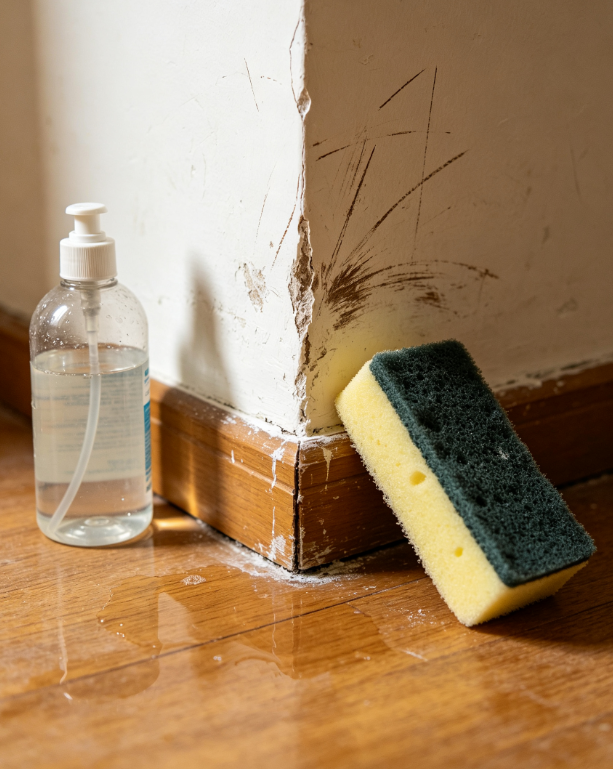
Scuff mark & stain removal without repainting. Most rental wall discoloration does not require repainting. Furniture rub marks, dark scuffs, dusty smudges, and light stains can be erased completely with renter-safe wall cleaning tools. Magic cleaning sponges, gentle wall erasers, and diluted non-abrasive cleaners lift surface dirt without stripping original paint. For faint water stains and faded spots, disposable touch-up paint pens provide precise color correction without repainting entire walls. These targeted fixes eliminate uneven wall discoloration and save renters from full-room repainting fees.
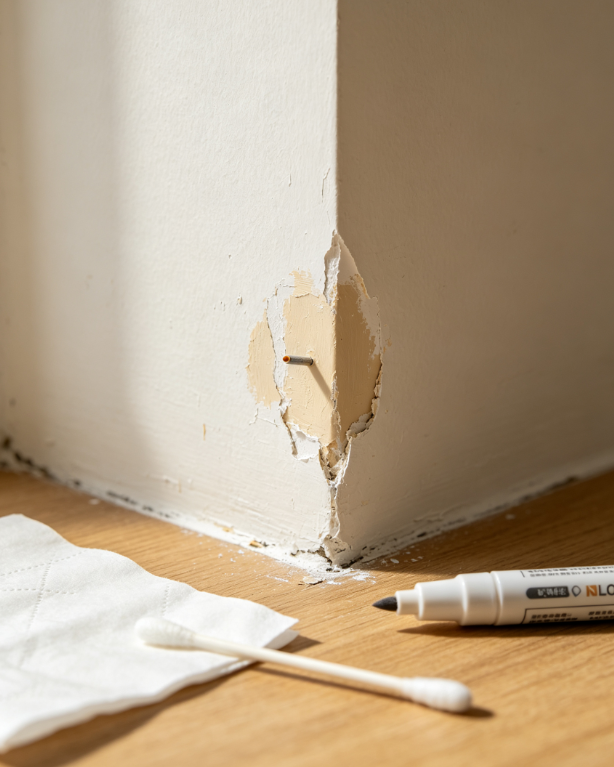
Adhesive residue & paint peel restoration. Command hooks, double-sided tape, and removable decor often leave sticky residue or peeled paint patches after removal. Hard scraping damages more paint, while harsh solvents stain wall surfaces. Renter-safe residue removers dissolve sticky leftovers gently without fading paint. For minor peeled paint spots, thin touch-up paint layers blend damaged areas seamlessly into existing wall color. This method fixes adhesive-related wall damage without creating patchy or mismatched wall sections.
Texture matching for builder-grade rental walls. Many older apartments have slight orange-peel or textured drywall that makes DIY repairs look obvious. Simple renter-friendly texture spray pens and mini texture rollers recreate original wall texture after hole filling. This critical step ensures repaired spots do not appear flat or patchy under inspection lighting. Matching wall texture is the secret to making DIY repairs completely invisible to landlords.
Lease-safe wall refresh rules renters must follow. Never repaint entire rooms without landlord approval, as mismatched paint is a serious lease violation. Avoid heavy sanding, deep grinding, or structural drywall cutting. Only use temporary surface-level repairs that restore original condition rather than alter it. Always match existing wall color and texture precisely to avoid visible repair lines. These rules ensure all fixes are compliant and inspection-friendly.
Final move-out wall inspection checklist. Walk room by room to check for leftover pinholes, scuffs, and stains. Smooth all repaired patches and blend texture. Remove all hidden residual adhesive on walls and baseboards. Touch up faint discoloration and blend bright repair spots. Verify walls match original neutral builder-grade appearance before final walkthrough.
All wall repair methods are 100% renter compliant. Every fill stick, patch kit, touch-up pen, texture tool, and wall cleaner provides temporary restoration without structural wall changes. No drilling, no remodeling, no permanent resurfacing, and no unauthorized full-room painting is involved. All repairs restore the original rental condition for maximum security deposit return.
Overall, renters do not need professional contractors or major renovations to fix damaged apartment walls. With targeted hole filling, scuff removal, texture blending, and precise touch-up repairs, every common rental wall blemish can be fixed invisibly. These budget-friendly, easy DIY wall repair hacks help renters restore walls to move-out ready condition, eliminate inspection deductions, protect security deposits, and avoid expensive landlord repair fees while following all rental lease guidelines.