Renter-Friendly Noise Reduction Hacks (No-Drill, Temporary Soundproofing for Loud Apartments)
Street traffic, neighbor chatter, upstairs footsteps, loud HVAC systems, and hallway echoes make noisy apartments one of the most common and stressful rental problems. Most older apartment buildings feature thin drywall, hollow doors, single-pane windows, and uninsulated gaps that let airborne noise and impact sound flood living spaces. Unlike homeowners who can install permanent soundproof insulation, replace windows, rebuild walls, and add professional acoustic paneling, renters are completely restricted from structural soundproofing renovations. Drilling acoustic foam into walls, applying permanent sound barrier materials, or modifying window seals violates standard lease agreements and leads to costly security deposit loss. Many tenants suffer from sleepless nights, distracted work-from-home days, and constant stress due to uncontrollable ambient noise. Fortunately, fully removable, non-damaging renter-friendly noise reduction hacks drastically block street sound, neighbor noise, and indoor echoes without a single permanent alteration to your apartment.
Why standard rental apartments are so noisy (and common soundproofing mistakes). Sound travels through invisible air gaps, thin uninsulated surfaces, and hollow structural cavities in rental units. Window cracks, door bottom gaps, baseboard seams, and electrical cutouts act as major sound tunnels. Most renters waste money on single acoustic foam panels that only soften tiny amounts of echo but do nothing to block incoming outside noise. Worse, many tenants use permanent adhesive foam or drilled sound panels that peel paint and damage drywall upon removal. Others ignore low-effort layered fixes, believing renters cannot soundproof apartments at all. The correct renter-safe soundproofing principle focuses on gap sealing, sound absorption, vibration dampening, layered soft barriers, and zero structural modification.
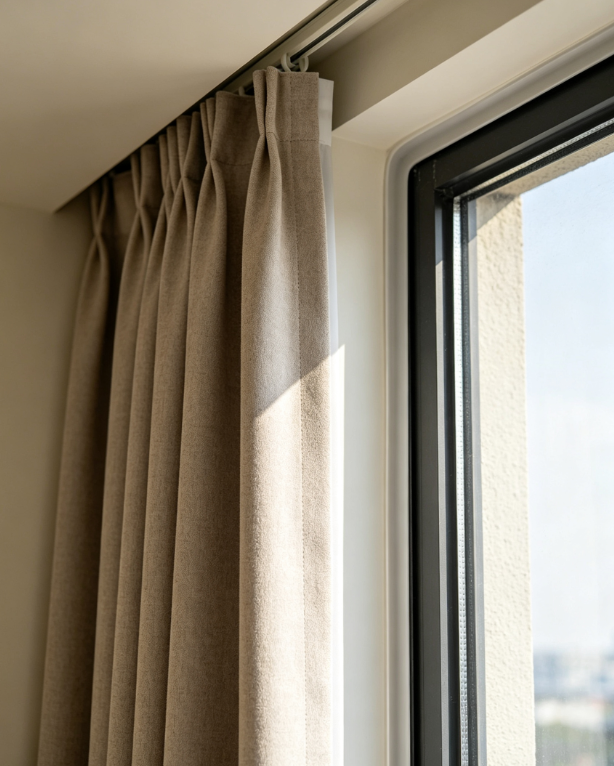
No-damage window soundproofing to block street traffic noise. Windows are the #1 source of exterior apartment noise. Single-pane rental glass offers almost no sound insulation, letting traffic noise, sirens, and street chatter penetrate easily. Renters cannot replace windows or install permanent double-glazing, but temporary layered solutions block noise drastically. Removable window insulation films, thick thermal acoustic curtains, and tension-mounted curtain layers create a dense air buffer between outside sound and indoor space. These fully removable barriers dampen high-frequency street noise while remaining residue-free and lease compliant. No drilling, no frame alteration, and no permanent installation is required.
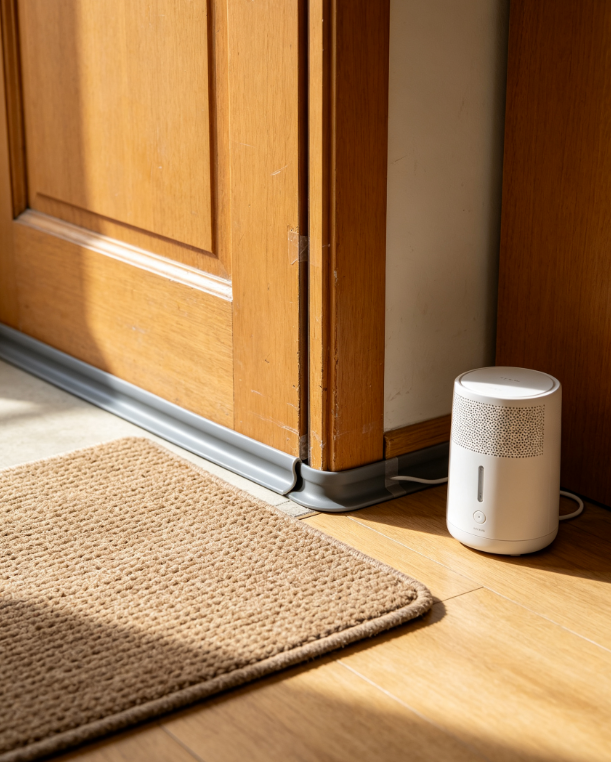
Door gap sealing to eliminate hallway & corridor noise. Hollow interior doors and wide door-bottom gaps are the second largest noise leak point. Loud hallway conversations, neighbor TV noise, and building echoes flood bedrooms and living rooms through unblocked door gaps. Renter-safe adjustable door draft stoppers, removable gap fillers, and peel-and-stick flexible seals block sound leakage completely. These non-damaging accessories seal sound tunnels without damaging door finishes, wood surfaces, or paint. They drastically reduce incoming airborne noise during nighttime sleeping and daytime working hours.
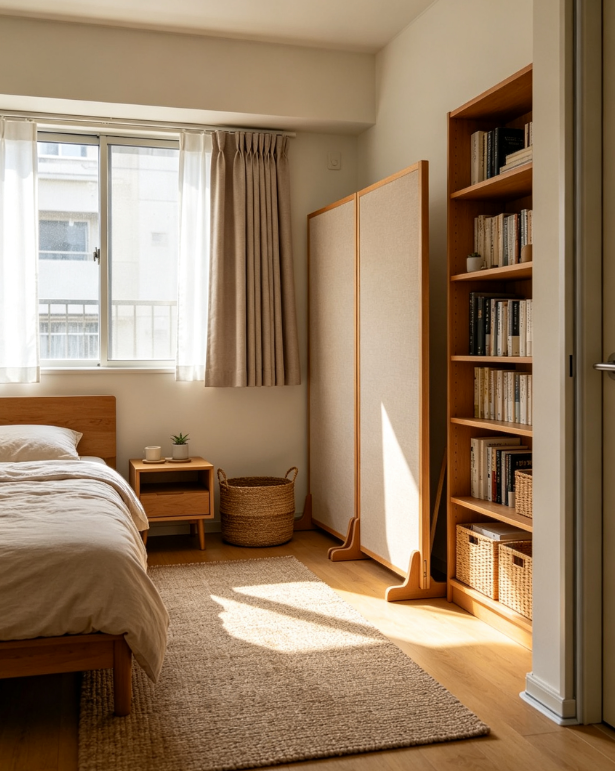
Freestanding acoustic absorption to reduce room echo & neighbor sound. Thin rental walls cause sound to bounce loudly, creating echoey, amplified noise inside apartments. Permanent wall-mounted acoustic panels are prohibited for tenants, but freestanding fabric acoustic screens, tall bookshelf barriers, and thick woven textiles absorb bouncing sound waves. Placing portable acoustic furniture between you and noisy shared walls disrupts sound transmission and softens harsh indoor echoes. These portable sound buffers require zero installation and can be rearranged or removed instantly.
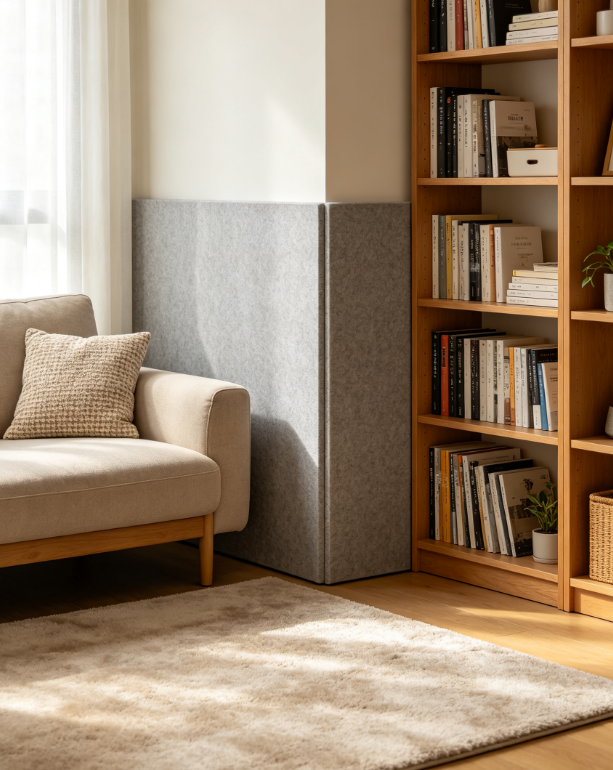
Floor vibration dampening for upstairs footstep noise. Impact noise from upstairs neighbors—footsteps, furniture dragging, and dropped items—travels through building structures and is extremely difficult to block with basic fixes. Renters cannot modify ceiling structures or install permanent ceiling insulation, but thick weighted floor rugs, dense rug pads, and soft layered textiles reduce secondary sound resonance inside your unit. Strategically placing heavy fabric layers and padded furniture softens room acoustics and lessens the sharpness of overhead impact noise.
Baseboard & tiny gap sound blocking for hidden noise leaks. Invisible micro gaps along baseboards, wall corners, vent openings, and cable cutouts let consistent background noise seep in. Most renters overlook these tiny openings, which create constant low-level noise pollution. Temporary removable gap foam and soft peel-and-stick sound blockers seal every micro sound leak without damaging wall texture or paint. These subtle fixes eliminate persistent background hum and quiet noisy apartments significantly.
White noise portable devices to mask disruptive irregular noise. Sudden unpredictable noise—late-night neighbor parties, passing traffic, and building maintenance sounds—ruin sleep and focus. Portable renter-safe white noise machines and compact sound diffusers create consistent ambient sound that masks disruptive random noise. No wiring, no permanent mounting, and no apartment changes are needed. This affordable tool stabilizes your acoustic environment regardless of outside activity.
Renter-friendly noise reduction maintenance & move-out routine. Reseal window and door gaps seasonally before noisy summer and winter seasons. Shake and vacuum acoustic curtains and rugs monthly to maintain dense sound absorption. Reposition freestanding acoustic barriers according to noise source direction. Remove all temporary gap seals, fabric layers, and sound devices before move-out to restore original walls, doors, and windows perfectly.
All soundproofing upgrades are 100% lease compliant. Every sound-absorbing textile, gap seal, freestanding acoustic panel, portable noise device, and window barrier requires no drilling, no permanent adhesion, no wall modification, and no structural building changes. All noise reduction solutions are temporary, fully removable, and residue-free for complete security deposit protection.
Overall, renters do not need professional construction or permanent soundproof renovations to create a quiet apartment. With window noise buffering, door gap sealing, freestanding acoustic absorption, floor vibration dampening, and white noise masking, any loud, noisy rental unit can become calm, quiet, and peaceful. These budget-friendly, non-destructive noise reduction hacks block street and neighbor noise, eliminate indoor echo, improve sleep quality, boost work-from-home focus, and create a tranquil home environment while fully complying with all rental lease policies.