Quarterly Home Deep Cleaning Checklist: Practical Tasks to Refresh Overlooked Household Grime
Daily tidying and weekly surface cleaning handle visible household dirt, but countless subtle contaminants accumulate slowly over months. Layered dust, hidden organic residue, dormant bacteria, and minor mineral buildup do not impact daily visual cleanliness yet gradually degrade indoor air quality, dull home surfaces, and trigger faint persistent odors. Many homeowners only conduct full deep cleaning during spring cleaning, leaving neglected grime to build unchecked for an entire year.
Why Quarterly Deep Cleaning Is Necessary for Household Hygiene
Daily and weekly cleaning focuses on high-frequency use areas and visible stains, ignoring static low-traffic zones, equipment interiors, and hidden gaps. These overlooked spaces act as long-term dirt reservoirs. Fine dust, pet dander, and fabric fibers settle steadily on undisturbed surfaces, while residual moisture and organic debris breed dormant bacteria and mild mold spores.
Over three months, these minor accumulations develop into stubborn, bonded grime. Dust hardens on static surfaces, oil film oxidizes completely, and gap debris decomposes to produce subtle stale odors. Quarterly deep cleaning interrupts this slow contamination cycle, preventing trivial dirt issues from evolving into difficult-to-remove stains and persistent household hygiene problems.
Unlike exhausting annual full-house deep cleaning, quarterly targeted maintenance breaks heavy workloads into small, manageable sessions. It maintains consistent home freshness year-round and reduces the labor required for seasonal large-scale cleaning.
Room-by-Room Quarterly Deep Cleaning Task List
Living Room & Bedroom: Eliminate Hidden Static Dust & Fabric Buildup
Soft furnishings and elevated static surfaces are the biggest blind spots in daily cleaning. Walls, ceiling corners, lamp shades, curtain tracks, and the back of furniture collect massive dry dust that weekly wiping cannot address. Fabric items like sofa cushions, throw blankets, and bedding accumulate deep-set skin flakes, fine lint, and dormant dust mites over time.
Every quarter, perform comprehensive high-position dust removal. Wipe ceiling edges, wall corners, light fixtures, and curtain rails with microfiber cloths to remove months of accumulated static dust. Clean window track gaps and screen frames to clear trapped pollen, sediment, and dead insect debris that cause slow indoor dust circulation.
Deep clean all soft furnishings. Vacuum sofa cushions, mattress surfaces, and pillow edges thoroughly to extract embedded dander and dust mite debris. Rotate mattresses and flip cushions to ensure even cleaning and prevent long-term dust accumulation on single contact surfaces. Wash removable curtain covers, cushion cases, and blankets to eliminate invisible fiber residue.
Wipe the back and bottom of TVs, cabinets, and wardrobes. These undisturbed flat surfaces gather thick dust layers that continuously release fine particles into indoor air during ventilation and daily activity.
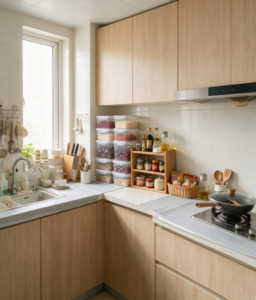
Kitchen: Clear Oxidized Residue & Equipment Interior Grime
Daily kitchen cleaning only targets stove tops and countertops, leaving appliance interiors, upper cabinet gaps, and peripheral wall areas untreated for months. Floating cooking oil mist settles on these hidden positions, forming thick oxidized yellow grease that attracts large amounts of dust.
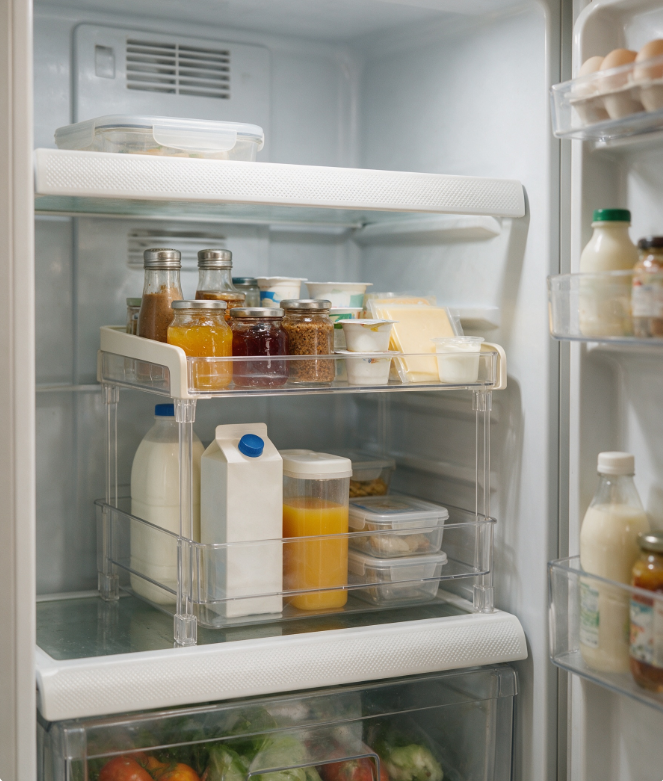
Quarterly kitchen maintenance focuses on invisible long-term residue. Clean the inner walls and door seals of microwaves and refrigerators. Food splatters and beverage residue dry and oxidize inside appliances, producing faint sour odors and breeding low-level bacteria. Wipe cabinet tops, wall corners above cooking areas, and the back of kitchen hardware to remove aged grease dust composite grime.
Deep clean small kitchen appliance bases and power cord gaps. Coffee makers, toasters, and blenders accumulate crumb debris and sticky residue at the base, which deteriorates slowly in warm environments. Clean and replace range hood filters every quarter to restore ventilation efficiency and eliminate grease-clogged odor sources.
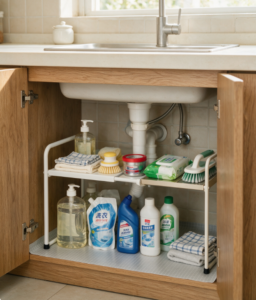
Inspect and clean sink overflow holes and drain peripherals. These narrow gaps trap food sludge and moisture, becoming hidden bacterial breeding grounds that daily flushing cannot resolve.
Bathroom: Remove Aged Limescale & Deep Gap Mold
Weekly bathroom cleaning removes surface water spots and fresh soap scum but cannot eliminate thin layered limescale and deep grout mold. Over three months, accumulated mineral deposits stack into hazy hard scale on glass and metal fixtures, while tiny mold spores in tile grout multiply steadily, causing permanent grout discoloration.
Conduct full surface descaling during quarterly cleaning. Treat shower glass, faucet surfaces, and shower heads with mild descaling solutions to dissolve aged mineral layers and restore surface transparency and smoothness. Target grout lines, floor drain edges, and toilet base caulking for deep mold removal, eliminating hidden mildew sources that cause persistent musty smells.
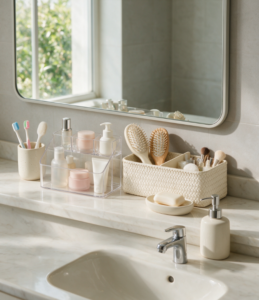
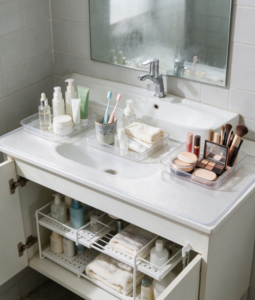
Clean bathroom storage shelves and cosmetic product bottoms. Bottled body wash, shampoo, and skincare products leave sticky residue on shelf surfaces after long-term placement, mixing with dust to form hard-to-clean composite dirt. Wipe and dry all storage surfaces, and organize expired products to reduce unnecessary clutter and dust traps.
Overlooked Quarterly Cleaning Tasks Most Families Miss
Ventilation and air circulation accessories: Air conditioner filters, fan blades, and window screens accumulate massive dust and pollen in three months. Cleaning these parts reduces indoor floating dust and improves air circulation quality, effectively lowering allergic reaction triggers.
Door and window hardware: Door handles, hinges, window locks, and sliding rails collect hand oil, dust, and tiny metal debris. Quarterly wiping and lubrication remove grime while maintaining hardware flexibility and reducing noise.
Baseboards and floor edges: Wall baseboards and room corner floor gaps are ignored in daily mopping. Long-term accumulated dust and fine debris form gray dirt lines. Quarterly targeted wiping restores wall neatness and eliminates edge dust sources.
Key Rules for Effective Quarterly Deep Cleaning
Prioritize hidden gaps over visible surfaces. The core value of quarterly cleaning is solving accumulated pollution in blind spots, rather than repeatedly cleaning already tidy exposed areas.
Avoid excessive chemical use. Most aged residue can be removed through proper dwell time and gentle wiping. Strong corrosive cleaners are unnecessary and may damage surface finishes.
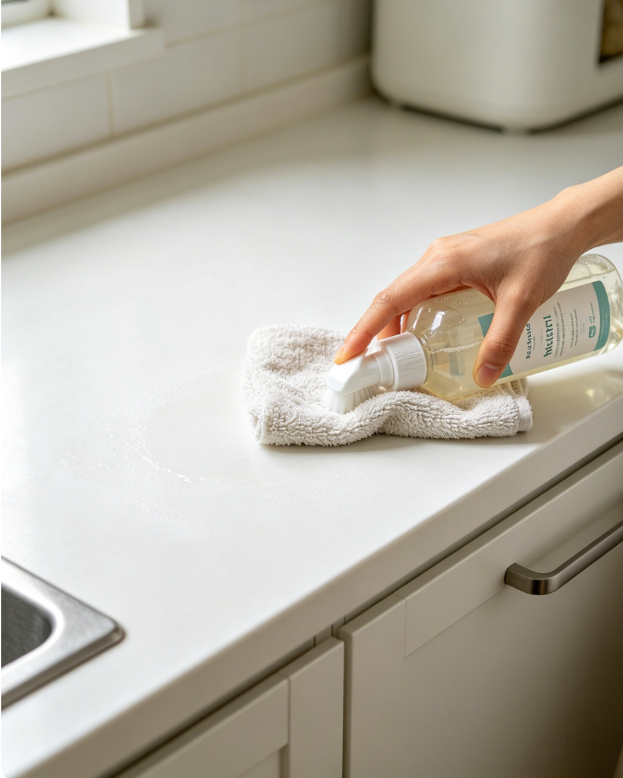
Match cleaning tools to scenarios. Use detail brushes for narrow gaps, microfiber cloths for delicate surfaces, and vacuum accessories for deep fabric cleaning to ensure thorough dirt removal without surface damage.
Finish all wet cleaning with complete drying and ventilation. Eliminating residual moisture after quarterly deep cleaning prevents secondary mold and bacterial growth in newly cleaned gaps.
Conclusion
Quarterly deep cleaning fills the loopholes of daily and weekly routine maintenance. It targets hidden dust reservoirs, aged oxidized residue, deep gap mold, and long-term mineral buildup that conventional cleaning cannot resolve. By dividing annual heavy deep cleaning workload into four quarterly lightweight sessions, homeowners can maintain stable indoor hygiene, eliminate faint recurring household odors, and prevent stubborn permanent stains. This systematic cleaning mode achieves long-term home freshness with low-frequency, high-efficiency maintenance.