International Student Life Abroad: How to Adapt Fast, Avoid Common Struggles, and Build a Rewarding Overseas Experience
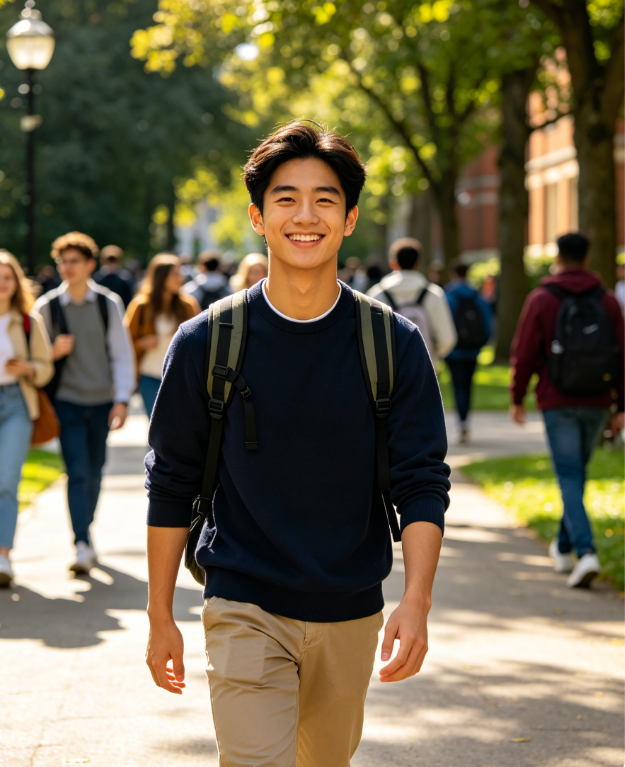
Studying abroad offers unmatched opportunities for academic advancement, cross-cultural exposure, and personal development. However, many international students find that real-life overseas challenges extend far beyond classroom learning. From cultural adjustments and daily logistics to social integration and mental balance, life abroad presents a new set of experiences that most students have never encountered in their home countries. Without proper preparation and effective coping strategies, even high-achieving students can struggle with low confidence, isolation, unbalanced lifestyles, and unsatisfactory study-abroad outcomes. This article provides high-quality, actionable advice for international students to adapt smoothly to overseas life, avoid typical pitfalls, and maximize the long-term value of their global education journey.
The Hidden Challenges of International Student Life
Most students prepare thoroughly for exams, applications, and academics but overlook the practical and emotional challenges of living in a foreign country. These common struggles are the main reasons why many international students fail to fully enjoy or benefit from their overseas experience.
Cultural Adjustment and Unspoken Social Norms
Cultural shock is an inevitable phase for almost all international students. Every country has unique social rules, communication styles, and behavioral expectations that are rarely taught in textbooks. Western cultures typically value direct communication, personal boundaries, independence, and casual equality between students and teachers. In contrast, many international students come from cultures that emphasize indirect expression, respect for hierarchy, and group harmony.
These differences can create subtle discomfort. Students may feel hesitant to speak in class, confused by casual interactions, or uncomfortable with highly independent campus lifestyles. Over time, unresolved cultural unfamiliarity can lead to social withdrawal and a reduced sense of belonging.
Practical Living and Self-Management Pressure
Overseas study requires complete self-reliance. Students must manage accommodation contracts, utility payments, transportation, grocery shopping, cooking, banking, and daily schedules entirely on their own. For students who have relied on family support for daily affairs, this sudden independence can be overwhelming.
Poor life management often leads to irregular sleep, unhealthy diets, procrastination, and rushed coursework. Many international students experience declining academic efficiency not because of poor ability, but because of chaotic daily routines and unoptimized living habits.
Real-World Language Gaps
Formal test scores do not equate to real-life language competence. Daily conversations involve local accents, casual phrases, idioms, and situational expressions that students rarely learn in exam preparation. Many international students can write academic essays proficiently but feel anxious when talking with locals, negotiating with service providers, or making new friends.
This practical language barrier limits students’ ability to access campus resources, build social connections, and fully integrate into local life.
Loneliness and Emotional Instability
Living overseas means separating from family, long-term friends, and familiar social support systems. When students face study pressure, cultural confusion, or trivial life troubles, they cannot receive immediate comfort and help. Periods of loneliness, homesickness, and self-doubt are extremely common among international students, especially during the first three to six months abroad.
Proven Strategies to Adapt Fast to Overseas Life
Successful overseas adaptation does not happen passively. It requires active adjustment, intentional practice, and structured self-management. The following strategies help international students stabilize their lives, build confidence, and integrate into campus communities efficiently.
1. Develop Cultural Awareness and Open-Mindedness
Fast adaptation begins with accepting cultural differences rather than resisting them. Students should understand that no culture is superior or inferior—every social norm and lifestyle is shaped by unique historical and social backgrounds. Observing local lifestyles, respecting personal boundaries, and embracing diverse opinions can greatly reduce cross-cultural friction.
Participating in multicultural campus events, student clubs, and community activities helps students experience local culture firsthand, break stereotypes, and gradually build cross-cultural adaptability.
2. Master Basic Life Skills and Build a Stable Routine
Independent living skills are the foundation of a successful overseas experience. New international students should prioritize learning essential life abilities, including simple cooking, public transportation navigation, bill management, and emergency problem-solving. Maintaining a fixed daily routine with balanced study, rest, and leisure time significantly improves mental stability and academic productivity.
A stable lifestyle eliminates most unnecessary stress and allows students to focus on academic improvement and personal growth.
3. Improve Practical Language Ability Through Daily Use
The fastest way to overcome language barriers is consistent real-scene practice. Students should actively engage in classroom discussions, communicate with classmates and professors, ask questions at campus service centers, and participate in group activities. Making mistakes in communication is a natural part of the learning process and should never be a reason to avoid interaction.
Gradually, continuous exposure to authentic language environments improves listening sensitivity, oral fluency, and overall communication confidence.
4. Expand Inclusive Social Circles
Staying only within small same-cultural groups limits growth and deepens isolation. International students should intentionally build diverse social connections with local students and international peers from different regions. Joining university clubs, volunteer projects, sports teams, and academic workshops creates low-pressure opportunities for natural interaction.
Diversified friendships help students integrate into campus life, broaden their global perspectives, and build valuable international networks.
5. Maintain Healthy Mental Health and Seek Support
Managing emotions is essential for long-term overseas success. Students should maintain regular exercise, keep personal hobbies, and stay in touch with family and friends to relieve homesickness and stress. When facing persistent anxiety or adaptation difficulties, students should actively use free university counseling services, tutor support, and student assistance programs.
Seeking help is a sign of maturity, not weakness. Proper emotional adjustment ensures sustainable study efficiency and a positive overseas life attitude.
Common Mistakes That Hurt Overseas Study Experiences
Many international students unconsciously limit their own growth through inappropriate adaptation habits. Staying in a fixed comfort zone, avoiding cross-cultural communication, neglecting daily self-management, holding biased cultural views, and suppressing negative emotions are the most common mistakes that lead to unsatisfactory overseas experiences.
Recognizing and avoiding these pitfalls allows students to adapt faster and gain more value from their overseas journey.
The Lifelong Value of Overseas Life Experience
Beyond academic degrees, overseas study cultivates irreplaceable lifelong capabilities, including independence, cross-cultural competence, environmental resilience, critical thinking, and global vision. Students who successfully adapt to overseas life become more inclusive, adaptable, and open-minded. These soft skills greatly enhance personal competitiveness in global academia, international careers, and future life development.
Final Conclusion
Overseas student life is a comprehensive journey of academics, life independence, cross-cultural integration, and personal growth. While adaptation challenges are inevitable, they are also the most valuable part of studying abroad. By adjusting their mindset, improving practical abilities, actively integrating into multicultural environments, and maintaining positive mental status, international students can turn challenges into growth opportunities and build a rewarding, high-quality overseas experience that benefits their entire lives.