How to Adapt to Overseas Student Life: Overcoming Challenges and Thrive Abroad
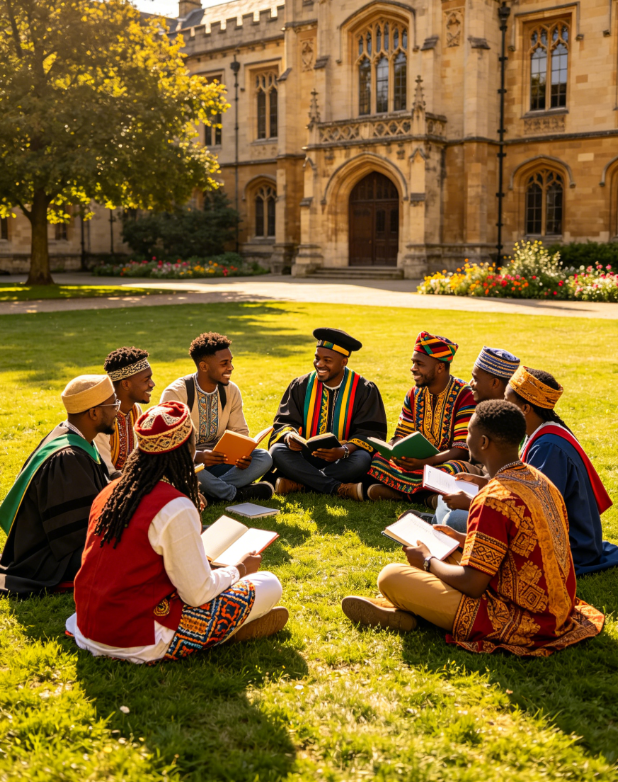
Studying abroad is one of the most transformative experiences a student can pursue. It opens doors to world-class education, global professional networks, and cross-cultural exposure that reshape personal growth and career development. However, behind the rewarding academic journey lies a common struggle: overseas life adaptation. Many international students excel academically in their home countries but face unexpected obstacles after moving abroad, including cultural shock, language barriers, lifestyle differences, social anxiety, and independent living pressure. Without proper adjustment strategies, these challenges can lead to low confidence, isolation, declining academic performance, and even mental burnout. This article explores the most common adaptation difficulties for international students and provides practical, actionable tips to help students settle in quickly, integrate into campus life, and thrive in a foreign environment.
Understanding the Common Challenges of Overseas Adaptation
Adaptation difficulties are normal for nearly all international students, regardless of age, English proficiency, or academic background. Moving to a new country means adjusting to an entirely different social rhythm, communication style, and daily routine. Recognizing these common challenges helps students reduce anxiety and build targeted solutions.
Cultural Shock and Cognitive Differences
Cultural shock is the most universal issue for overseas students. Western countries emphasize individualism, personal boundaries, and direct communication, which greatly differs from collectivist cultures in many regions. Students may feel confused by local social rules, classroom interaction styles, and daily interpersonal communication. For example, foreign classrooms encourage open debates, critical questioning, and opposing opinions, while many international students are accustomed to passive listening and teacher-led lectures. Such cultural differences can make students feel hesitant to participate in class discussions, resulting in low classroom engagement.
In daily life, differences in lifestyle, social etiquette, and value concepts can also create a sense of alienation. Many new students feel lonely and unadaptable during the first one to three months abroad, which is a typical stage of cross-cultural adaptation and does not mean personal incompetence.
Academic Adaptation Pressure
Many international students underestimate the difficulty of overseas academic learning. Unlike domestic exam-oriented education, foreign universities focus on autonomous learning, critical analysis, and independent research. Students face heavy reading tasks, frequent essay assignments, group projects, presentations, and strict academic integrity requirements. Plagiarism rules, citation standards, and academic writing logic are completely different from previous learning experiences.
Even students with high language scores may struggle with academic listening, professional vocabulary, and logical essay writing. The sudden change of learning mode often leads to academic stress, time management chaos, and low grades in the initial semester.
Language Barriers in Real-Life Scenarios
Having standardized test scores does not equal practical language competence. Daily communication, campus consultation, supermarket shopping, bank procedures, and rental communication involve a large number of informal expressions, slang, and local accents that are rarely learned in textbooks. Many students can read academic articles proficiently but lack confidence in daily oral communication, causing them to avoid social interaction and miss valuable campus resources.
Independent Living and Mental Adjustment Pressure
Living abroad requires full self-management, including time scheduling, diet management, housework handling, financial planning, and emergency problem-solving. Students who have long relied on family support may feel overwhelmed by trivial daily affairs. Meanwhile, being far away from family and familiar social circles makes it difficult to release negative emotions in time, easily leading to loneliness, anxiety, and negative mentality.
Practical Strategies for Smooth Overseas Life Adaptation
Cross-cultural adaptation is a gradual process that requires systematic methods rather than passive waiting. The following targeted strategies can help international students shorten the adaptation cycle, integrate into campus life faster, and build stable overseas living rhythms.
1. Build Active Language Competence in Real Scenarios
Language adaptation is the foundation of all overseas life integration. Instead of rigidly memorizing vocabulary, students should improve their language ability through real-scene communication. Actively participate in campus language exchange activities, student clubs, and group discussions; take the initiative to communicate with classmates, professors, and campus staff in daily affairs. Even simple conversations about study, weather, and campus activities can effectively improve oral fluency and listening sensitivity.
In addition, students can watch local TV programs, listen to local podcasts, and read daily news to understand authentic language expressions and cultural logic. Gradually adapting to local accents and communication habits can greatly reduce social tension and enhance communication confidence.
2. Adapt to Western Academic Systems in Advance
To relieve academic pressure, students must quickly transform their learning mindset from passive acceptance to active exploration. Familiarize yourself with university library resources, academic writing guidelines, citation standards, and online learning platforms at the beginning of enrollment. Take advantage of school free courses on academic writing, critical thinking, and time management to make up for the differences in education systems.
When facing difficult courses and heavy academic tasks, establish a reasonable study schedule, complete reading tasks in advance, and actively communicate with professors during office hours. Participating in group discussions positively can not only deepen academic understanding but also help integrate into the student group and gain team experience.
3. Expand Social Circles and Integrate into Campus Culture
Loneliness mainly comes from insufficient social connection. International students should take the initiative to step out of their comfort zone and build diversified social relationships. Participate in student societies, volunteer activities, campus competitions, and cultural exchange events organized by the university. These activities provide natural and low-pressure communication scenarios to meet local students and international peers from different countries.
In social interactions, there is no need to pursue perfect language expression. Sincere communication, active listening, and respectful attitudes are more important than fluent grammar. Gradually understanding local cultural customs and social norms can help students avoid communication misunderstandings and build stable interpersonal relationships.
4. Establish Independent Living Ability and Stable Daily Routine
Independent living ability determines the quality of overseas study life. Students should quickly learn basic life skills, including cooking, laundry, room arrangement, public transportation use, and daily bill payment. Make a clear weekly schedule to balance study, rest, socializing, and entertainment, avoiding procrastination and life chaos caused by loose management.
At the same time, learn basic overseas safety knowledge and emergency processing methods, clarify local medical insurance policies, police contact methods, and campus safety regulations, to ensure personal safety and stable life operation.
5. Maintain Mental Health and Positive Adaptation Mentality
Mental adjustment is the core of long-term overseas adaptation. It is normal to feel lost, anxious, and unadaptable in the early stage of studying abroad. Students should allow themselves a buffer period and avoid excessive self-denial due to temporary discomfort. Keep regular exercise, maintain hobbies, and communicate with family and friends regularly to release negative emotions.
If anxiety and pressure cannot be relieved for a long time, make full use of the university’s free psychological counseling resources. Most overseas campuses provide professional and confidential mental health services to help students adjust their mentality and relieve pressure. Maintaining an open, inclusive, and growth-oriented mindset is the key to overcoming adaptation difficulties.
The Long-Term Benefits of Overseas Adaptation Experience
Although the adaptation process is challenging, every difficulty overcome during overseas study brings irreplaceable personal growth. Students who successfully adapt to overseas life will gain stronger independent living ability, cross-cultural communication competence, environmental resilience, and global perspective. These soft skills cannot be obtained from textbooks but can greatly enhance personal comprehensive competitiveness in future study, work, and international communication.
Cross-cultural adaptation experience also helps students form more inclusive values, tolerate differences in diverse environments, and solve problems with a more open and rational attitude. These precious qualities become lifelong advantages in global study and career competition.
Final Conclusion
Overseas life adaptation is an essential course for every international student. Cultural shock, language barriers, academic pressure, and loneliness are temporary challenges rather than permanent obstacles. With active adjustment strategies, positive learning attitudes, and continuous social practice, international students can quickly integrate into local life, adapt to overseas academic rhythms, and gain comprehensive growth in cross-cultural environments.
Studying abroad is not only about obtaining academic degrees but also about reshaping self-awareness, expanding global vision, and building independent personalities. Every effort made during the adaptation period will eventually become valuable wealth on the road of personal growth.