Global Higher Education in 2026: Real Value, Trends, and Why International Study Still Matters
Global higher education has entered a new era of restructuring. Driven by technological disruption, shifting global labor markets, and the rapid growth of online education, students and parents are increasingly questioning the practical value of traditional overseas study. Many believe that domestic international programs, Massive Open Online Courses (MOOCs), and artificial intelligence learning tools can replace the need for studying abroad. However, world-class universities continue to prove that structured, immersive international higher education delivers unique academic, cognitive, and career advantages that digital learning alone cannot replicate. This article analyzes the latest global higher education trends, breaks down the core tangible and intangible benefits of international study, and provides evidence-based guidance for students pursuing sustainable academic and professional growth in 2026 and beyond.
Current Key Trends in Global Higher Education
The international education industry is no longer defined by simple diploma acquisition. Modern universities are rapidly adjusting their teaching frameworks to align with real-world demands, forming three dominant trends that reshape how students should plan their overseas studies.
Interdisciplinary and Industry-Aligned Curriculum Design
Traditional single-discipline education is gradually becoming outdated. Most global challenges, including climate change, digital transformation, public health crises, and global economic restructuring, require cross-domain problem-solving capabilities. As a result, top universities in the US, UK, Canada, Australia, and continental Europe are prioritizing interdisciplinary education.
New emerging programs combine computer science with social science, business analytics with public policy, environmental engineering with sustainable finance, and artificial intelligence with healthcare. Unlike rigid domestic course systems, international universities offer flexible course selection, allowing students to customize learning paths according to their career goals. This trend explains why modern admissions increasingly value interdisciplinary experience, versatile skill sets, and practical innovation rather than merely high exam scores.
Growing Focus on Practical Competence and Employability
Global higher education is shifting from theoretical knowledge indoctrination to competency-based education. Universities now regard graduate employability as a core evaluation indicator. Academic projects, industry internships, corporate collaborations, and startup practices have become essential graduation components for most undergraduate and postgraduate programs.
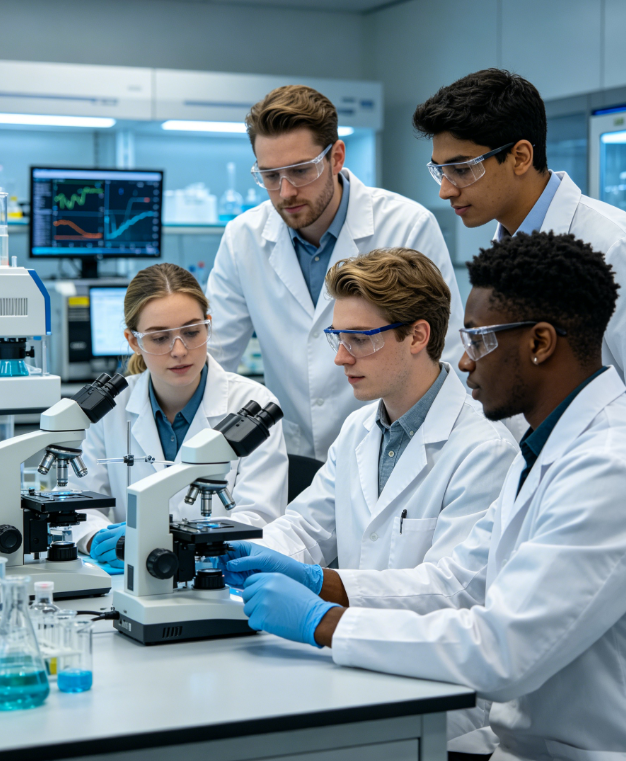
STEM programs emphasize laboratory research, data analysis, and technological development; business programs focus on real case studies, market research, and team consulting projects; humanities programs highlight cross-cultural research and social practice. This teaching model bridges the long-standing gap between academic knowledge and workplace application, enabling international students to adapt to global job markets more quickly after graduation.
Diversified, Inclusive and Globalized Campus Ecosystems
Modern top universities build highly diverse campus communities with students, researchers, and faculty from hundreds of countries. Multicultural dialogue, global topic seminars, and cross-cultural team collaboration have become daily academic scenarios. This inclusive environment helps students break geographical and cognitive limitations, cultivate global empathy, and develop cross-cultural communication skills.
The Irreplaceable Value of International Higher Education
With the rapid development of online education, many learners assume that overseas study has lost its necessity. In reality, digital learning can only provide knowledge input, while immersive international higher education reshape students’ thinking patterns, personality traits, and long-term development capabilities.
Cultivation of Critical Thinking and Independent Academic Ability
The biggest advantage of overseas education lies in its student-centered teaching philosophy. Different from passive knowledge reception, international universities adopt seminar discussion, tutorial guidance, independent literature review, and open thesis research models. Students are encouraged to question existing theories, propose original viewpoints, and verify arguments through rigorous research.
This long-term academic training cultivates core capabilities including independent research, logical reasoning, critical analysis, and innovative thinking. These abilities are not only crucial for academic further study but also highly valued by global employers in consulting, finance, technology, and public service industries.
Immersive Cross-Cultural Competence and Global Vision
In a globalized workplace, professional knowledge is standardized, but cross-cultural literacy is scarce. Studying abroad allows students to engage in long-term in-depth communication with peers from different cultural backgrounds, learn diverse thinking modes, and understand global industry rules and international communication norms.
Students with overseas education backgrounds are more adept at solving cross-border problems, cooperating with global teams, and adapting to international working environments. In multinational enterprises, international organizations, and global research institutions, such cross-cultural adaptability has become a core competitive threshold for young talents.
High-Quality Global Resources and Alumni Networks
World-class universities possess unparalleled high-end resources, including cutting-edge laboratories, authoritative academic databases, leading faculty teams, and global industry cooperation channels. Students can participate in frontier scientific research projects, receive one-on-one professional guidance, and access the latest industry developments and academic achievements.
Moreover, university alumni networks cover global industries and regions, providing students with high-quality internship opportunities, job resources, and academic cooperation channels. This long-term resource accumulation cannot be replaced by any online course or localized education experience.
Comprehensive Personal Growth and Adaptability Improvement
Overseas study is a comprehensive growth journey that integrates academics, life, and social adaptation. Living independently in a foreign country, students need to manage study schedules, solve life problems, and coordinate interpersonal relationships independently. Facing academic pressure, cultural differences, and uncertain challenges, students gradually build self-discipline, resilience, problem-solving ability, and independent decision-making awareness.
Common Misconceptions About Modern Overseas Study
Many outdated misunderstandings interfere with students’ rational education planning. Correcting these biases is essential for maximizing the return on investment of international education.
Myth 1: Overseas Study Is Only for Diploma Gains
A large number of students regard overseas study as a tool for diploma upgrading, ignoring core ability improvement. In fact, the market no longer simply recognizes prestigious school certificates. Employers pay more attention to students’ practical capabilities, thinking modes, and project experience. Only active academic exploration and practical participation can release the true value of overseas education.
Myth 2: University Rankings Determine Program Quality
Comprehensive university rankings cannot fully reflect program strength. Many universities with medium overall rankings have top-ranked advantageous disciplines, sufficient industry resources, and high employment recognition. Students should prioritize curriculum matching, faculty research directions, internship resources, and major reputation rather than blindly pursuing high-ranking school brands.
Myth 3: Online Education Can Replace In-Person Overseas Study
Online courses can supplement professional knowledge, but they cannot replicate immersive campus atmosphere, cross-cultural interaction, academic discussion, and practical project experience. The core value of higher education lies in communication, collision of ideas, and comprehensive growth, which are unique advantages of offline international education.
Practical 2026 Planning Tips for Prospective International Students
To obtain maximum value from overseas study, students need scientific and systematic planning instead of blind application behavior.
First, clarify personalized development positioning. Combine personal academic interests, ability advantages, and long-term career goals to select target countries and programs, and ensure that the major direction matches future development paths.
Second, build a diversified competitive profile. On the basis of solid academic scores, actively accumulate scientific research experience, professional internships, discipline competitions, and cross-cultural exchange experiences to form personalized advantages that distinguish you from other applicants.
Third, improve comprehensive adaptive capabilities. Advance learning of international academic norms, English academic writing, and cross-cultural communication skills helps students quickly integrate into overseas campus study and life.
Fourth, establish long-term value awareness. Take overseas study as a starting point for capability improvement rather than a terminal goal. Make full use of university resources to enrich experience, expand horizons, and continuously enhance global competitiveness.
Conclusion
Global higher education is constantly evolving to adapt to technological progress and market changes. In 2026, overseas study is no longer a superficial luxury choice but a strategic way for young people to break cognitive boundaries, acquire systematic academic capabilities, and connect with global high-end resources. Although online education and domestic international education continue to develop, immersive international higher education still possesses irreplaceable core value in cultivating critical thinking, cross-cultural literacy, practical innovation ability, and global vision. With rational planning, clear goals, and active learning attitudes, international students can effectively enhance their comprehensive competitiveness and lay a solid foundation for future academic excellence and global career development.