Home Organization Tips: How to Create a Functional, Clutter-Free Living Space
A well-organized home is one of the simplest yet most effective ways to improve daily comfort, boost productivity, and reduce stress. In modern busy lifestyles, it is common for households to accumulate excess belongings, misplaced items, and disorganized storage. Over time, clutter does more than ruin a room’s appearance — it slows down daily routines, creates visual stress, and makes cleaning more difficult. Reliable home organization methods help homeowners maintain tidy, functional, and long-lasting neat spaces without constant tidying or endless reorganization.
Why Home Organization Improves Your Quality of Life
Many people view organization as purely aesthetic, but its benefits extend far beyond a clean look. Structured home organization optimizes how every room functions, making daily tasks easier, faster, and more efficient.
First, an organized home reduces mental fatigue and anxiety. Visual clutter creates continuous background distraction, overloading the brain with unnecessary stimuli. When items are neatly sorted and stored in fixed locations, the environment feels calm, balanced, and relaxing, helping residents rest better and focus more easily.
Second, proper organization maximizes indoor space. Even small homes can feel spacious with smart storage solutions. Many households waste valuable square footage on duplicate items, unused goods, and messy stacking. By sorting, decluttering, and rearranging storage zones, homeowners unlock hidden space and make every room feel open and breathable.
Third, organized homes are easier to clean and maintain. Piles of clothes, miscellaneous items, and scattered objects trap dust and create hard-to-reach dirty corners. Minimal, categorized storage exposes more accessible surfaces, speeding up routine cleaning and improving overall household hygiene.
The Foundation of Good Organization: Declutter Before You Store
One of the most important rules of professional home organization is to declutter first, then store. Many homes remain messy because residents keep unnecessary items and simply rearrange them into new containers. Without proper decluttering, storage solutions only hide mess temporarily.
Effective decluttering involves evaluating every item based on usability and frequency. Expired products, broken gadgets, unused clothing, and outdated accessories should be discarded. Items that are still functional but no longer needed can be donated or sold. Keeping only regularly used, practical, and meaningful belongings ensures storage spaces remain functional instead of overcrowded.
Practical Room-by-Room Home Organization Solutions
Bedroom and Closet Organization
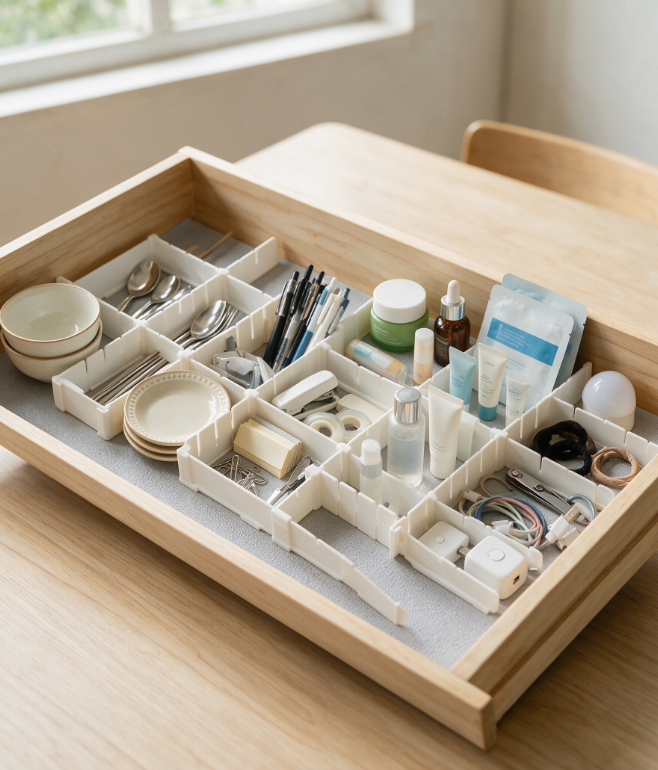
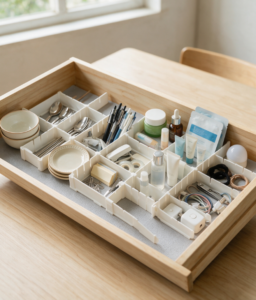
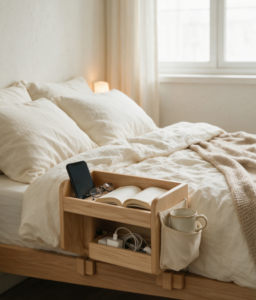
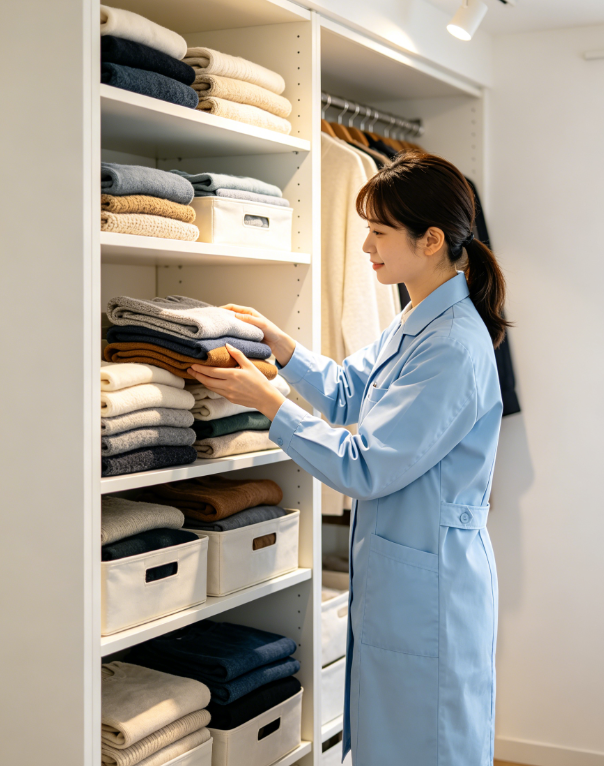
Bedrooms often become cluttered with excess clothing, accessories, and miscellaneous bedtime items. To create a peaceful sleeping environment, separate clothing by season, type, and frequency of use. Use hanging rods for dresses, coats, and daily outfits to avoid wrinkles. Drawer dividers work perfectly for underwear, socks, and small accessories. Seasonal blankets and rarely used clothing can be stored in space-saving compression bags. Keeping bedside surfaces clear creates a restful, uncluttered atmosphere.
Kitchen Organization
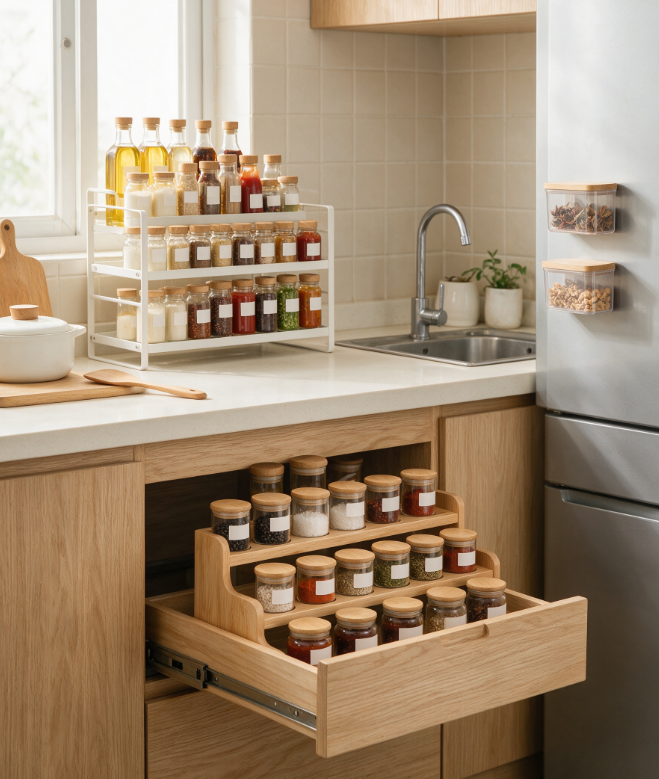
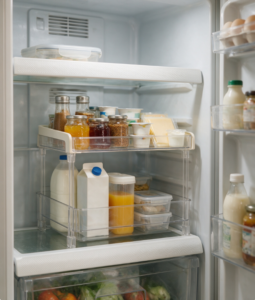
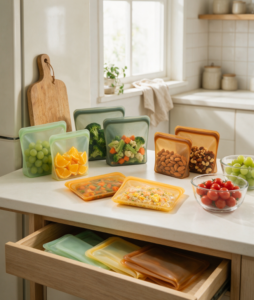
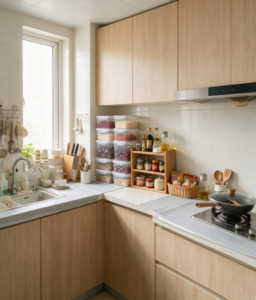
Kitchen organization focuses on accessibility and efficiency. Group cooking utensils, cutlery, and baking tools by function. Store dry ingredients, grains, and condiments in clear, sealed containers to avoid spills, moisture, and mess. Use cabinet shelves and drawer organizers to maximize vertical space. Keep frequently used items on easy-to-reach shelves and store special occasion appliances in lower cabinets or pantry areas. A clean countertop improves cooking efficiency and simplifies daily cleaning.
Bathroom Organization
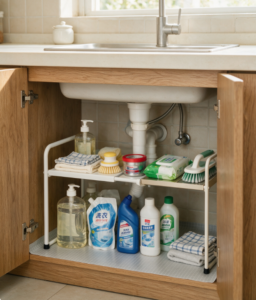
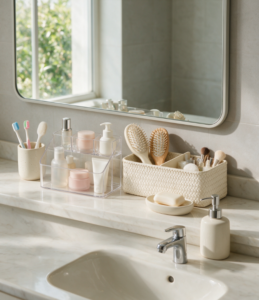
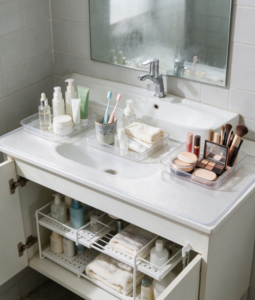
Bathrooms require moisture-proof and hygienic organization. Sort skincare products, toiletries, and cleaning supplies by daily and occasional use. Wall-mounted shelves and under-sink organizers help maximize limited counter space. Keep frequently used items within easy reach and store backups in closed cabinets. Proper bathroom organization prevents water residue buildup, reduces messy product piles, and maintains a fresh, sanitary environment.
Living Room and Study Organization
Living rooms thrive on minimal and visual-friendly organization. Use decorative storage boxes to organize remote controls, small gadgets, and children’s toys. Avoid overcrowding coffee tables and display shelves with unnecessary decorations. For home studies, organize documents, books, and stationery into labeled sections. Clear desk space improves focus, supports efficient work and study, and creates a professional home atmosphere.
Simple Habits to Keep Your Home Organized Long-Term
Professional organization only lasts with consistent daily habits. Small routines prevent clutter from building back up. A five-minute daily tidy before bed, including item returning and surface wiping, keeps rooms consistently neat. Adopt a “one in, one out” rule: whenever new items enter the home, remove old or unused equivalents. This simple method effectively controls household item accumulation.
Seasonal reorganization is also essential. Every few months, reevaluate clothing, household goods, and seasonal equipment to ensure storage spaces remain optimized and functional. Regular maintenance prevents large-scale clutter buildup and reduces the pressure of major tidying work.
Final Thoughts
Home organization is a sustainable lifestyle upgrade rather than a one-time cleanup project. With reasonable decluttering, scientific storage planning, and simple daily habits, any home can stay tidy, functional, and visually pleasant. A clutter-free living environment not only beautifies interior spaces but also brings better mental clarity, higher efficiency, and greater daily happiness to every family member.