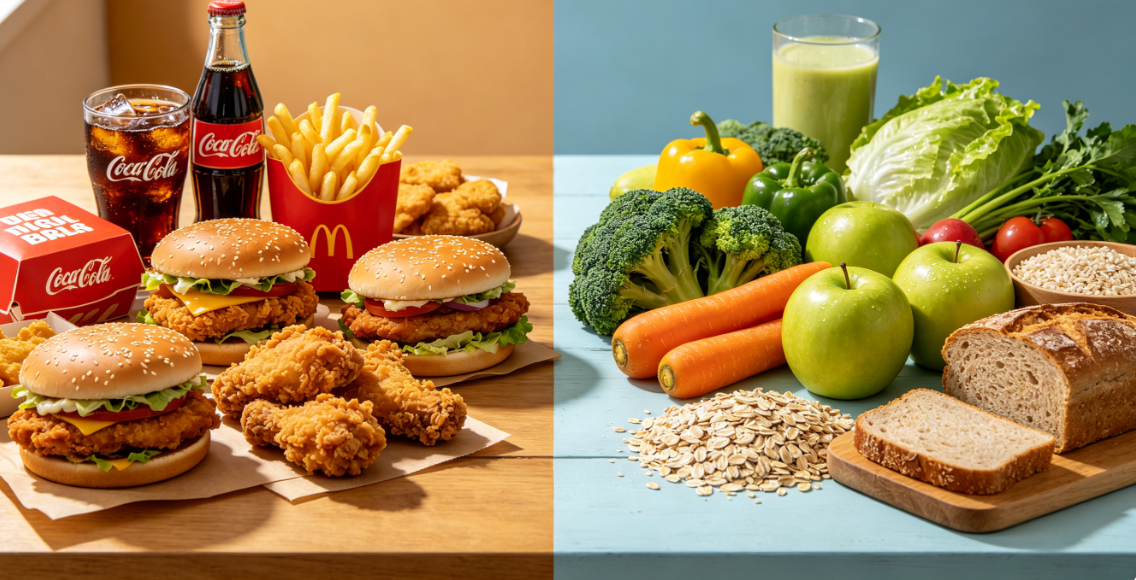
A Guide to Healthy Eating: Simple Steps for Balanced Nutrition
Eating well is not about strict diets or depriving yourself of the foods you love—it’s about making thoughtful choices that nourish your body, boost your energy, and support your overall health. A balanced, reasonable diet doesn’t require extreme restrictions or complicated meal plans; instead, it focuses on whole, nutrient-dense foods that fuel your body and keep you feeling your best.

The key to a healthy diet is variety and moderation. You don’t need to cut out entire food groups or follow strict rules—instead, focus on incorporating a mix of foods that provide the vitamins, minerals, and energy your body needs to thrive. Here’s how to build a sustainable, enjoyable eating routine that works for you:
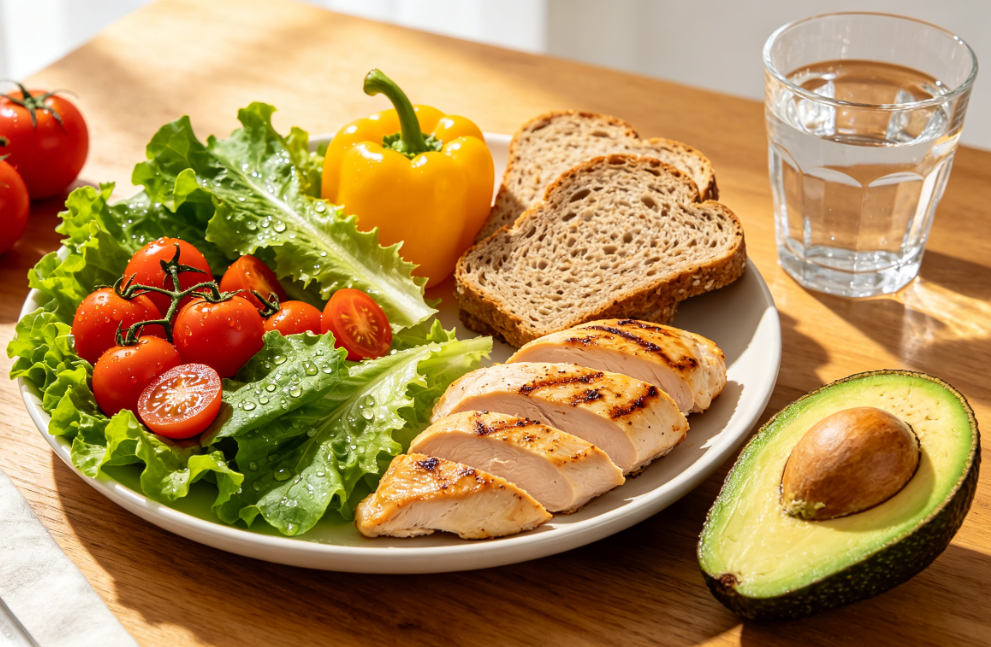
Start with vegetables and fruits. Aim to fill half your plate with colorful produce at every meal—think leafy greens, bell peppers, berries, apples, and carrots. These foods are low in calories but high in fiber, vitamins, and antioxidants, which support digestion, boost your immune system, and keep you feeling full longer. Whether you add them to salads, smoothies, or side dishes, they’re an essential part of a balanced diet.
Next, include lean proteins. Proteins are the building blocks of your body, helping to repair tissues and keep you satisfied. Choose options like skinless chicken, fish, eggs, beans, or tofu—these are all nutrient-dense and easy to incorporate into meals. For example, a breakfast of eggs and whole-grain toast, or a lunch of grilled chicken with a side of vegetables, provides the protein your body needs to stay energized.
Don’t forget whole grains. Swap refined grains (like white bread or white rice) for whole grains such as quinoa, brown rice, oats, and whole-wheat bread. Whole grains are rich in fiber, which helps regulate digestion, keep blood sugar stable, and keep you feeling full throughout the day. They’re a simple swap that makes a big difference in your overall nutrition.
Healthy fats are also an important part of a balanced diet. Avocados, nuts, seeds, and olive oil are great sources of healthy fats that support brain health and keep you feeling satisfied. A small handful of nuts as a snack, or a drizzle of olive oil over your salad, adds flavor and essential nutrients without excess calories.
Hydration is just as important as the food you eat. Drink plenty of water throughout the day—aim for 8-10 cups of water daily. Limit sugary drinks like soda, sweetened juices, and energy drinks, as they add empty calories and can cause energy crashes. If you don’t like plain water, add a slice of lemon or cucumber for a refreshing twist.
Most importantly, practice moderation. It’s okay to enjoy your favorite treats—whether it’s a piece of chocolate, a slice of cake, or a serving of your favorite comfort food—just keep portions in check. A healthy diet isn’t about perfection; it’s about balance. You can have a slice of pizza with friends or a small dessert, as long as most of your meals are focused on whole, nutrient-rich foods.
Remember, healthy eating is a journey, not a destination. Small, consistent changes—like adding a vegetable to your lunch, swapping white bread for whole-wheat, or drinking more water—can make a big difference over time. By focusing on whole, unprocessed foods, listening to your body’s needs, and allowing yourself the occasional treat, you’ll build a sustainable eating routine that supports your health, energy, and overall well-being for years to come.