Essential Hygiene Habits for a Healthy Life
Good hygiene habits are the foundation of physical and mental well-being. They not only protect us from harmful germs, infections, and diseases but also promote a sense of confidence and overall health. In our daily lives, simple, consistent hygiene practices can make a significant difference in preventing illness, keeping our bodies clean, and creating a healthy environment for ourselves and those around us. This article outlines the most important hygiene habits and explains how they contribute to a healthier, happier life.
1. Hand Hygiene: The First Line of Defense
Our hands are the most common way germs spread—we touch surfaces, objects, and other people, picking up bacteria and viruses that can cause illness. Proper hand hygiene is the simplest and most effective way to prevent the spread of germs.
Wash your hands thoroughly with soap and warm water for at least 20 seconds (about the time it takes to sing the alphabet) in key moments: before eating or preparing food, after using the bathroom, after touching public surfaces (like doorknobs, handrails, or phones), after sneezing or coughing, and after touching animals. If soap and water are not available, use an alcohol-based hand sanitizer with at least 60% alcohol to kill germs.
2. Oral Hygiene: For a Healthy Mouth and Body
Oral hygiene is more than just having a clean smile—it is crucial for overall health. Poor oral hygiene can lead to cavities, gum disease, bad breath, and even more serious health issues, such as heart disease or diabetes.
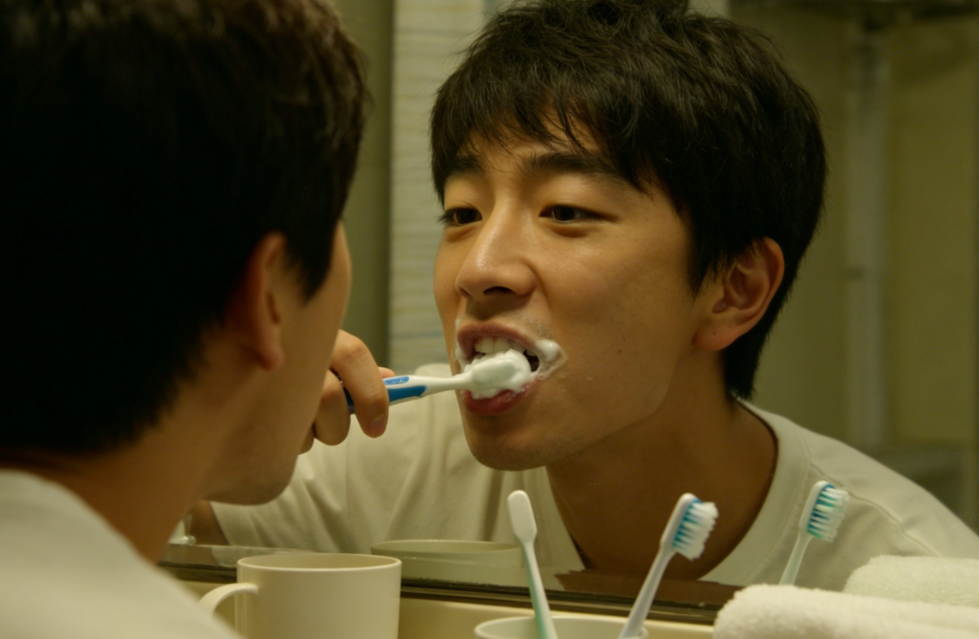
Brush your teeth twice a day (morning and night) with fluoride toothpaste to remove plaque and bacteria. Floss daily to clean between teeth, where a toothbrush cannot reach. Visit the dentist every 6 months for a routine checkup and professional cleaning to catch any issues early. Additionally, avoid excessive sugar intake, as it contributes to tooth decay.
3. Personal Body Hygiene: Stay Clean and Fresh
Regular body hygiene helps prevent the buildup of sweat, bacteria, and odors, while also protecting the skin from infections. Taking a daily shower or bath with mild soap cleanses the skin, removes dead skin cells, and washes away germs.
Pay special attention to areas prone to sweat, such as the armpits, feet, and groin. Wear clean, breathable clothing (like cotton) daily, as dirty clothes can trap bacteria and cause skin irritation. Change socks and underwear daily, and wash them in hot water to kill germs. For those with oily hair, shampoo regularly to keep the scalp clean and prevent dandruff.
4. Food Hygiene: Prevent Foodborne Illness
Food hygiene is essential to avoid foodborne diseases caused by bacteria, viruses, or parasites in food. Practicing safe food habits protects both you and your family from illness.
Wash your hands before handling food, and keep food preparation surfaces (like cutting boards, knives, and countertops) clean. Separate raw meat, poultry, and seafood from cooked food to prevent cross-contamination. Cook food to the correct temperature (use a food thermometer) to kill harmful germs, and refrigerate leftovers promptly (within 2 hours) to slow bacterial growth. Also, drink clean, safe water and avoid eating expired or spoiled food.
5. Environmental Hygiene: Keep Your Surroundings Clean
A clean environment reduces the spread of germs and creates a healthy space to live and work. Regularly clean and disinfect frequently touched surfaces in your home and workplace, such as doorknobs, light switches, phones, keyboards, and tables. Use a disinfectant that is effective against common germs.
Dispose of trash properly and regularly to avoid attracting pests and bacteria. Keep your living space well-ventilated by opening windows to allow fresh air in, which helps reduce the buildup of indoor pollutants and germs. Additionally, wash bed linens, towels, and other fabrics regularly to keep them clean and free of bacteria.
6. Hygiene Habits for Children
Teaching children good hygiene habits from an early age helps them develop lifelong healthy behaviors. Make hygiene fun for kids: sing songs while washing hands, use colorful toothbrushes, and involve them in cleaning their rooms. Set a good example by practicing hygiene habits yourself, as children learn by watching adults.
Good hygiene habits are simple, affordable, and accessible to everyone. By incorporating these practices into your daily routine, you can protect your health, prevent illness, and create a healthier environment for yourself and those around you. Remember, small, consistent steps toward better hygiene can lead to big improvements in your overall well-being.