Practical Guide to Common Tooth Treatments and Oral Care
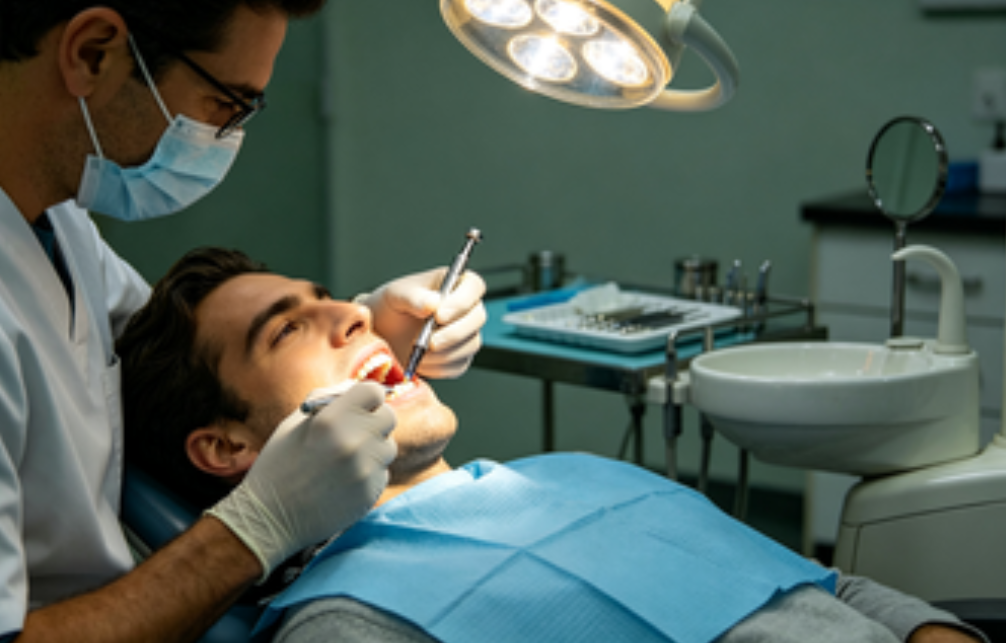
Oral health is an integral part of overall well-being, and tooth problems—such as cavities, gum disease, tooth sensitivity, and tooth decay—are widespread among people of all ages. Ignoring these issues can lead to more serious complications, including pain, infection, tooth loss, and even impacts on systemic health. Fortunately, most common tooth problems are treatable with timely professional care, paired with consistent at-home oral hygiene. This article outlines the most common tooth conditions and their effective treatments, along with key tips to maintain healthy teeth.
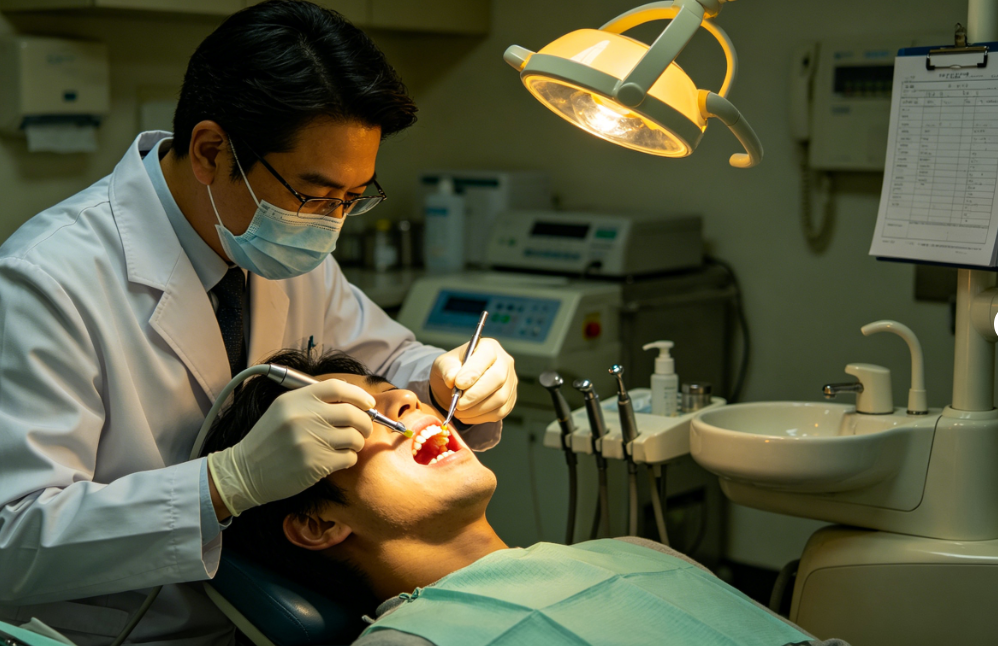
1. Common Tooth Conditions and Their Treatments
Tooth issues vary in severity, but early intervention can prevent them from worsening and reduce discomfort. Below are the most prevalent conditions and their standard treatments:
1.1 Tooth Decay and Cavities
Tooth decay, caused by bacteria in the mouth that produce acid (feeding on sugar and starches), erodes the tooth’s enamel and forms cavities. Symptoms include tooth sensitivity to sweet, hot, or cold foods, and mild to severe pain when chewing.
Treatment: The most common treatment is dental fillings. Dentists remove the decayed part of the tooth, clean the area, and fill it with a biocompatible material (such as composite resin, amalgam, or ceramic) to restore the tooth’s structure and prevent further decay. For larger cavities that damage the tooth’s pulp (nerve and blood vessels), a root canal may be needed.
1.2 Root Canal Treatment
When tooth decay reaches the pulp, it can cause infection, inflammation, and severe pain. This condition, called pulpitis, may also occur due to tooth trauma or cracks.
Treatment: A root canal involves removing the infected or damaged pulp, cleaning and disinfecting the inside of the tooth, and sealing it with a special material. After the procedure, a crown is often placed on the tooth to strengthen it and restore its function, as the tooth may become brittle without the pulp.
1.3 Tooth Sensitivity
Tooth sensitivity is characterized by a sharp, temporary pain when the tooth is exposed to hot, cold, sweet, or acidic foods, or even when brushing. It occurs when the tooth’s enamel wears down, exposing the underlying dentin (which contains tiny tubules connected to the nerve).
Treatment: Over-the-counter desensitizing toothpaste can help reduce sensitivity by blocking the tubules in the dentin. For more severe cases, dentists may apply a fluoride varnish or bonding agent to protect the exposed areas. Avoiding acidic foods and using a soft-bristled toothbrush can also prevent further enamel erosion.
1.4 Gum Disease (Gingivitis and Periodontitis)
Gum disease starts with gingivitis—red, swollen, and bleeding gums—caused by plaque buildup along the gumline. If left untreated, it progresses to periodontitis, where the gums pull away from the teeth, forming pockets that trap bacteria, leading to bone loss and tooth loss.
Treatment: Gingivitis can be reversed with professional teeth cleaning (scaling) to remove plaque and tartar, paired with improved at-home oral hygiene. Periodontitis requires more intensive treatment, such as deep cleaning (scaling and root planing) to remove bacteria from the pockets, and in severe cases, surgical procedures to repair damaged gums and bone.
1.5 Tooth Replacement
Tooth loss can occur due to severe decay, gum disease, trauma, or aging. Missing teeth can affect chewing, speech, and facial structure, and increase the risk of other teeth shifting.
Treatment: Common tooth replacement options include dental implants (surgically placed artificial tooth roots), dentures (removable artificial teeth), and bridges (false teeth anchored to adjacent natural teeth). The choice depends on factors such as the number of missing teeth, oral health, and personal preference.
2. Key Tips for Preventing Tooth Problems
Prevention is always better than treatment when it comes to oral health. Incorporate these habits into your daily routine to keep your teeth and gums healthy:
- Brush your teeth twice a day with fluoride toothpaste, using a soft-bristled toothbrush and gentle circular motions.
- Floss daily to remove plaque and food particles from between the teeth and along the gumline.
- Limit sugary and acidic foods and drinks, as they contribute to enamel erosion and decay.
- Visit the dentist every 6 months for a routine checkup and professional cleaning.
- Avoid smoking and excessive alcohol consumption, as they increase the risk of gum disease and oral cancer.
Maintaining good oral hygiene and seeking timely dental care are the keys to preventing and treating most tooth problems. Remember, even small changes in your daily routine can make a big difference in your oral health and overall quality of life.