Practical Ways to Relieve Anxiety and Depression: A Gentle Guide
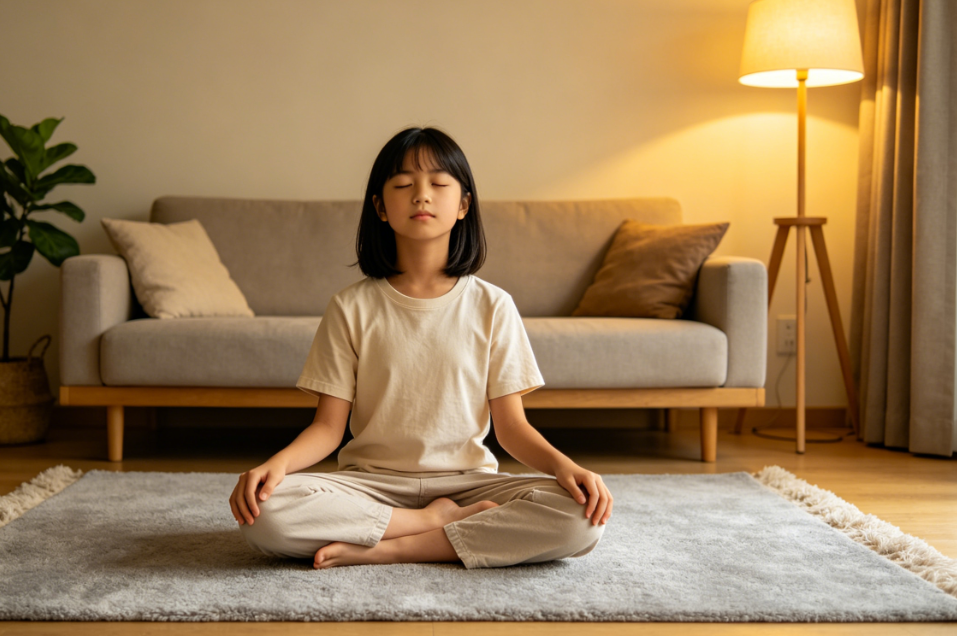
Anxiety and depression are common mental health challenges that can leave you feeling overwhelmed, exhausted, and disconnected from the world around you. Anxiety often brings persistent worry, restlessness, or a sense of impending doom, while depression may manifest as low mood, loss of interest in things you once enjoyed, and feelings of hopelessness. The good news is that there are simple, actionable steps you can take to ease these symptoms, support your mental well-being, and regain a sense of control—even on the hardest days. This article shares evidence-based, gentle strategies to help relieve anxiety and depression, tailored for daily life.
1. Prioritize Small, Gentle Movements
Physical activity is one of the most effective natural ways to ease anxiety and depression, but it doesn’t have to be intense. When you’re feeling low or anxious, even small, gentle movements can make a difference. Aim for 10-15 minutes of light activity each day—such as walking around the block, stretching, gentle yoga, or even dancing to a favorite song. Exercise releases endorphins, the body’s “feel-good” chemicals, which help reduce stress hormones and lift your mood. The goal is not to push yourself, but to move your body in a way that feels kind and sustainable.
2. Practice Mindfulness and Grounding Techniques
Anxiety often pulls us into the future (worrying about what might happen), while depression can trap us in the past (dwelling on what went wrong). Mindfulness and grounding techniques help bring you back to the present moment, calming your nervous system and reducing overwhelming feelings.
- 5-4-3-2-1 Grounding Method: Name 5 things you see, 4 things you can touch, 3 things you can hear, 2 things you can smell, and 1 thing you can taste. This simple exercise redirects your focus from anxious or sad thoughts to your immediate surroundings.
- Deep Breathing: Try the 4-7-8 breathing technique—inhale for 4 seconds, hold for 7 seconds, and exhale slowly for 8 seconds. Repeat 3-5 times. Deep, intentional breathing slows your heart rate and activates the body’s relaxation response.
3. Nurture Your Body with Self-Care
Your physical health and mental health are deeply connected. When you’re struggling with anxiety or depression, it’s easy to neglect basic self-care—but these small acts of kindness can have a big impact on your mood.
- Get Enough Sleep: Poor sleep worsens anxiety and depression symptoms. Aim for 7-9 hours of sleep each night, and establish a consistent routine (e.g., going to bed and waking up at the same time, avoiding screens an hour before bed).
- Eat Nourishing Foods: Fuel your body with balanced meals—include fruits, vegetables, whole grains, and lean proteins. Avoid excessive sugar, caffeine, and alcohol, as these can trigger mood swings and worsen anxiety.
- Stay Hydrated: Dehydration can contribute to fatigue and irritability, which often accompany anxiety and depression. Drink water throughout the day, even if you don’t feel like it.
4. Reach Out for Connection (Even in Small Ways)
Anxiety and depression often make us want to isolate ourselves, but social connection is vital for healing. You don’t have to share all your feelings if you’re not ready—even small, casual interactions can help you feel less alone. Call a trusted friend or family member for a short chat, send a text to someone you care about, or join a low-pressure group (in-person or online) centered around a hobby you enjoy. Remember: asking for support is not a sign of weakness—it’s a brave step toward feeling better.
5. Be Kind to Yourself
When you’re struggling with anxiety or depression, it’s easy to be hard on yourself—you might blame yourself for feeling this way or feel like you “should” be better. Instead, practice self-compassion. Treat yourself with the same kindness and understanding you would offer a friend who is struggling. Acknowledge your feelings without judgment: “It’s okay to feel this way, and I’m doing my best.” Progress, not perfection, is what matters.
Remember, these strategies are not a replacement for professional help. If your anxiety or depression symptoms persist, feel unmanageable, or interfere with your daily life (such as work, school, or relationships), reach out to a mental health professional—a therapist, counselor, or psychiatrist can provide personalized support and treatment to help you heal. You are not alone, and healing is possible, one small step at a time.