How to Relieve Cervical Pain: Effective Tips for Neck Health
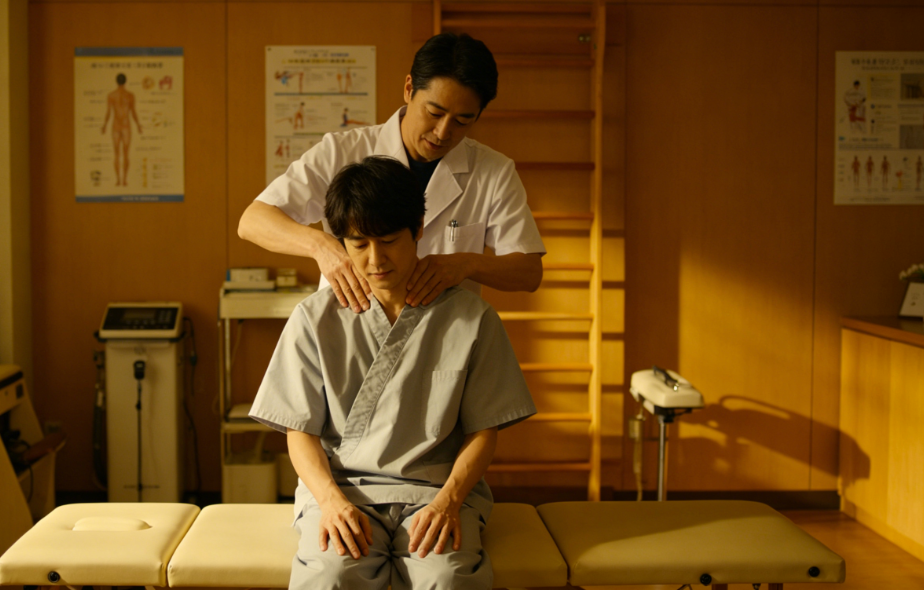
Neck pain and cervical discomfort have become increasingly common in today’s digital age, thanks to long hours spent staring at screens, poor posture, and sedentary lifestyles. If you’re struggling with stiff necks, aching shoulders, or radiating pain from your neck to your arms, this guide will help you understand how to treat and prevent cervical spine issues with simple, actionable steps.
What Causes Cervical Pain?
Most cervical pain stems from three main factors: poor posture (such as hunching over phones or computers, known as “text neck”), muscle strain from overuse, and tightness in the neck and shoulder muscles. Long-term neglect of these issues can lead to chronic pain, limited mobility, and even nerve irritation that radiates down the arms.
Practical Treatments for Cervical Pain
You don’t need expensive treatments or invasive procedures to ease cervical discomfort. These simple, evidence-based methods can help relieve pain and restore neck mobility:
1. Posture Correction
The first step to relieving cervical pain is fixing your posture. When sitting, keep your back straight, shoulders relaxed, and your head level—avoid tilting your head forward or slouching. For screen use, position your device at eye level to prevent craning your neck. A small pillow or rolled towel behind your lower back can also help maintain proper posture.
2. Gentle Stretching and Mobility
Daily stretching targets tight neck muscles and improves flexibility. Try these quick exercises (hold each for 20-30 seconds):
– Slowly tilt your head to the right, bringing your ear toward your shoulder (keep the left shoulder down), then switch sides.
– Gently turn your head to look over your right shoulder, hold, then repeat on the left.
– Lower your chin to your chest, feeling a stretch at the back of your neck, and hold.
Avoid sudden or forceful movements—stretch slowly and stop if you feel sharp pain.
3. Muscle Relaxation and Pain Relief
For immediate pain relief, apply a warm compress to your neck for 10-15 minutes to relax tight muscles. Over-the-counter pain relievers, such as ibuprofen or acetaminophen, can help reduce inflammation and discomfort (follow the dosage instructions carefully). For localized tension, a gentle neck massage—either self-administered or by a professional—can ease muscle knots.
4. Ergonomic Adjustments
Make small changes to your daily routine to reduce neck strain: Use an ergonomic chair with lumbar support, adjust your desk height so your arms rest comfortably at your sides, and take a 5-minute break every 30 minutes to stand, stretch, and reset your posture.
When to See a Professional
If your cervical pain lasts more than a week, gets worse over time, or is accompanied by numbness, tingling, or weakness in your arms, it’s time to see a healthcare provider. They can rule out more serious issues (such as nerve compression) and recommend targeted treatments like physical therapy or chiropractic care.
Preventing Cervical Pain Long-Term
The best way to manage cervical health is to prevent pain before it starts:
– Avoid prolonged screen time; take frequent breaks to stretch your neck.
– Sleep on a supportive pillow that keeps your neck aligned with your spine (avoid pillows that are too thick or too flat).
– Incorporate light exercise (such as walking or yoga) into your routine to strengthen neck and shoulder muscles.
Cervical pain doesn’t have to disrupt your daily life. With simple adjustments to your posture, regular stretching, and timely care when needed, you can keep your neck healthy and pain-free.