Hypertension Treatment: Simple Steps to Lower High Blood Pressure Naturally and Medically
Hypertension, or high blood pressure, is a silent but serious health condition that affects millions globally. It occurs when the force of blood against artery walls is consistently too high, putting extra strain on the heart and blood vessels. Without proper treatment, it can lead to life-threatening complications like heart disease, stroke, and kidney damage. Unlike many chronic illnesses, hypertension is highly manageable—this article shares practical, evidence-based ways to treat and control it, whether through natural lifestyle changes or medical intervention.
Why Early Treatment Matters
Most people with hypertension have no obvious symptoms, which is why regular blood pressure checks are crucial. Even mild elevation (prehypertension, 120-129/<80 mmHg) can progress to full hypertension if left unaddressed. Early treatment not only lowers blood pressure but also reduces the risk of long-term organ damage, helping you stay healthy and active.
Natural Treatment: Lifestyle Changes That Work
For mild hypertension, natural lifestyle adjustments are often enough to bring blood pressure back to a healthy range. These changes are also essential for anyone taking medication, as they boost its effectiveness and improve overall health.
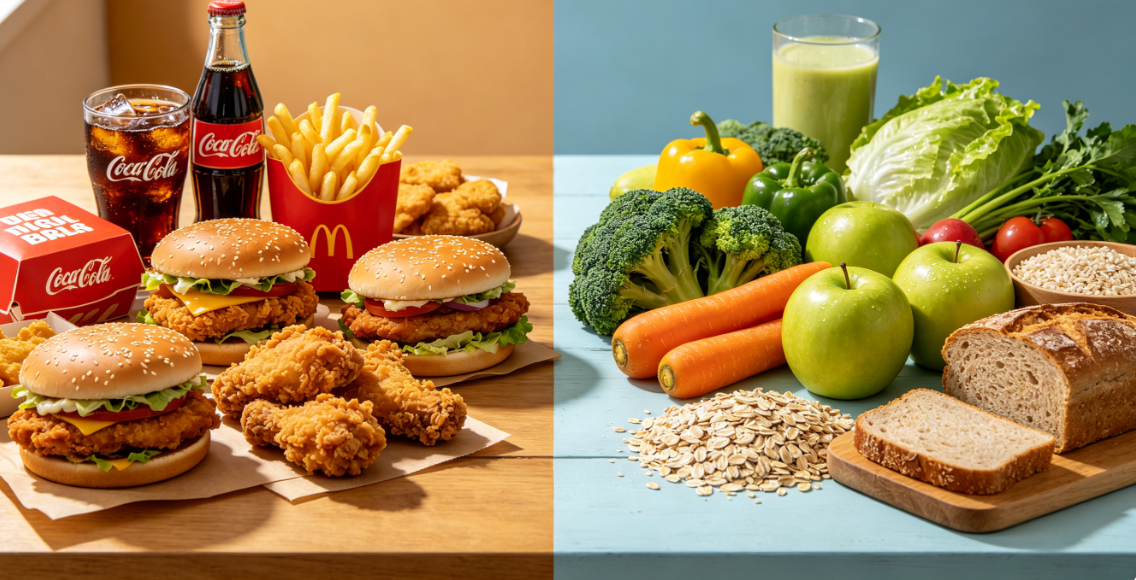
– Adopt a Low-Sodium, Nutrient-Rich Diet: Cut back on added salt and processed foods, which are high in sodium. Instead, focus on foods rich in potassium (bananas, spinach, sweet potatoes), magnesium (nuts, whole grains), and fiber—these nutrients help regulate blood pressure. The DASH diet, which emphasizes fruits, vegetables, and lean proteins, is proven to lower blood pressure.
– Move Your Body Regularly: Moderate exercise is one of the most effective natural ways to lower blood pressure. Aim for 30 minutes of activity, such as brisk walking, cycling, or swimming, five days a week. Even light activities like stretching or gardening can make a difference.
– Manage Weight and Avoid Obesity: Excess weight, especially around the waist, increases the heart’s workload. Losing just 5-10 pounds can lower systolic blood pressure by 5-20 mmHg—this is one of the fastest ways to see improvement.
– Quit Smoking and Limit Alcohol: Smoking narrows blood vessels, raising blood pressure and increasing the risk of heart attack. Excessive alcohol consumption (more than 1-2 drinks per day) also elevates blood pressure—limiting or quitting these habits is critical.
– Reduce Stress and Improve Sleep: Chronic stress and poor sleep (less than 7 hours per night) can trigger blood pressure spikes. Try relaxation techniques like meditation, yoga, or deep breathing, and establish a regular sleep routine to keep stress levels in check.
Medical Treatment: When Medication Is Needed
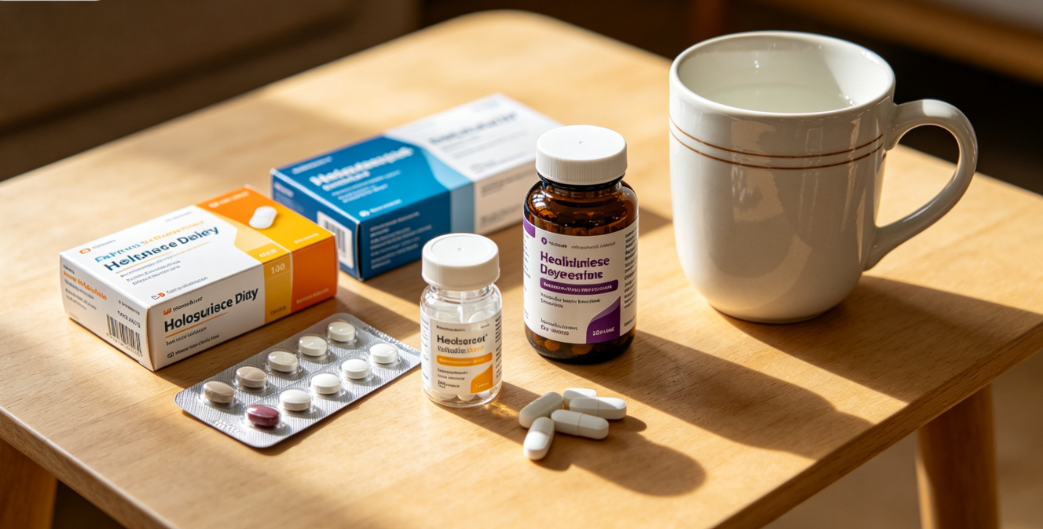
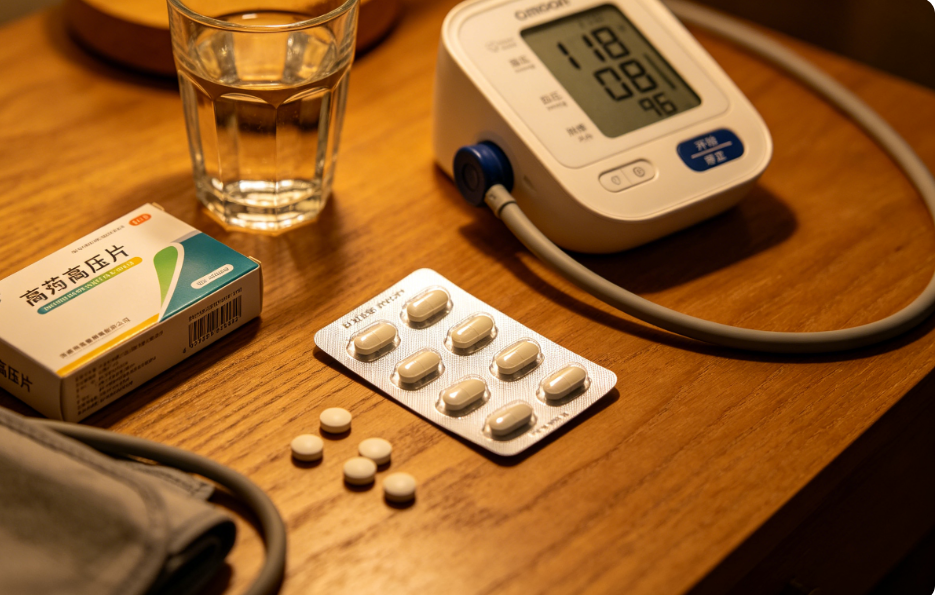
If lifestyle changes alone do not lower blood pressure to a healthy range (below 130/80 mmHg), your doctor will recommend prescription medication. These drugs are safe and effective when taken as directed, and they work in different ways to control blood pressure.
Common types of hypertension medication include:
– Diuretics: These “water pills” help the body flush out excess sodium and fluid, reducing blood volume and pressure.
– ACE Inhibitors: They block a hormone that narrows blood vessels, allowing arteries to relax and blood pressure to drop.
– Calcium Channel Blockers: These prevent calcium from entering blood vessel walls, keeping them relaxed and lowering pressure.
– ARBs: Similar to ACE inhibitors, they block the action of a vessel-narrowing hormone, promoting healthier blood flow.
Important note: Never stop taking hypertension medication without consulting your doctor. Even if you feel well, stopping suddenly can cause blood pressure to spike dangerously. Your doctor may adjust your dose over time as your blood pressure improves.
Key Habits for Long-Term Control
Treating hypertension is a lifelong commitment, but small, consistent habits make it manageable:
1. Check your blood pressure at home regularly and keep a log to share with your doctor.
2. Attend regular check-ups to monitor your progress and adjust your treatment plan if needed.
3. Avoid high-sugar and high-fat foods, which can worsen inflammation and raise blood pressure.
4. Stay hydrated—drinking enough water helps regulate blood volume and pressure.
Hypertension does not have to control your life. With the right combination of natural lifestyle changes and, if needed, medication, you can keep your blood pressure in check, protect your heart, and enjoy a healthy, active lifestyle. Always work with your healthcare provider to create a personalized treatment plan that fits your needs.