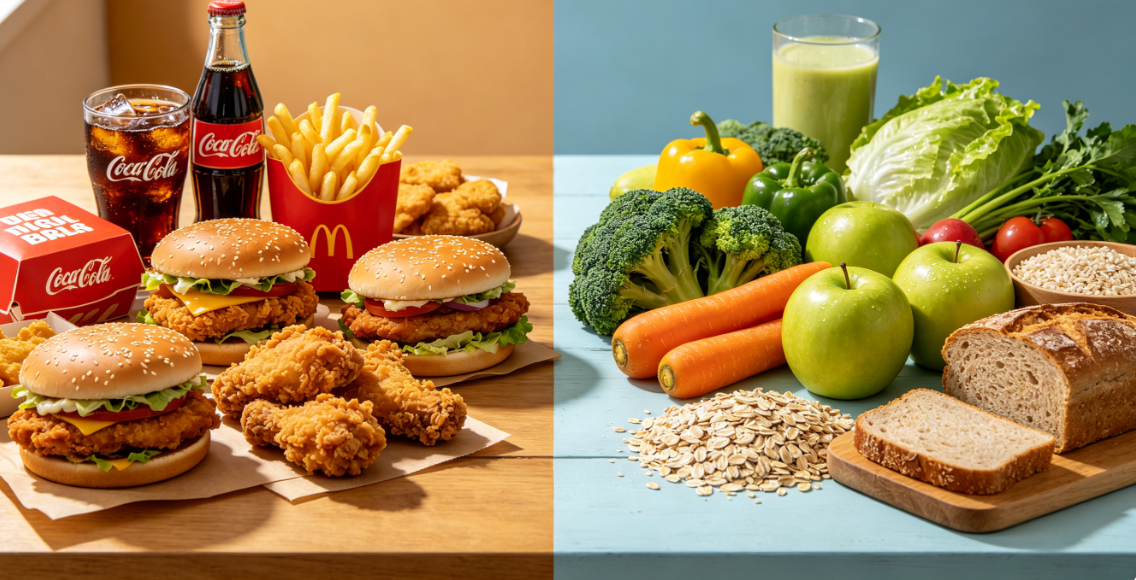
Managing Hypertension: Effective Treatments and Lifestyle Tips
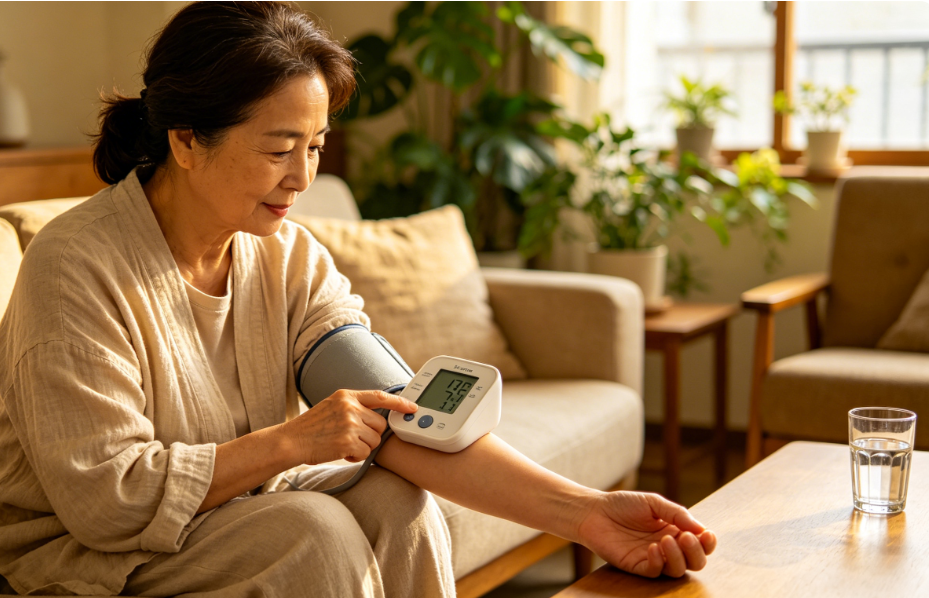
Hypertension, commonly known as high blood pressure, is a prevalent chronic condition characterized by consistently elevated pressure of blood against the artery walls. Often asymptomatic in its early stages, it poses serious risks to heart health, blood vessels, kidneys, and the brain if left unmanaged. Fortunately, with a combination of medical intervention and healthy habits, most people with hypertension can keep their blood pressure under control and reduce associated health dangers. This article outlines the key treatments and practical strategies for managing high blood pressure.
What Is Hypertension?
Blood pressure is measured as two numbers: systolic (the top number, representing pressure when the heart beats) and diastolic (the bottom number, representing pressure when the heart rests). A normal blood pressure reading is below 120/80 mmHg. Hypertension is diagnosed when readings consistently reach 130/80 mmHg or higher. It can be categorized as primary (essential hypertension), with no clear underlying cause (often linked to genetics, age, and lifestyle), or secondary, caused by other health conditions such as kidney disease, hormonal disorders, or certain medications.
Core Treatments for Hypertension
The treatment of hypertension focuses on lowering blood pressure to a healthy range, minimizing the risk of complications. It typically involves a two-pronged approach: lifestyle modifications and, when necessary, prescription medications.
1. Lifestyle Modifications
Lifestyle changes are the cornerstone of hypertension management, and they can often reduce blood pressure without the need for medication, or enhance the effectiveness of prescribed drugs.
– Sodium Reduction: Excess sodium intake raises blood pressure. Limit daily sodium to less than 2,300 milligrams (mg), and aim for 1,500 mg or less for better control. Avoid processed foods, canned soups, salty snacks, and added salt at meals.
– Heart-Healthy Diet: Adopt a diet rich in fruits, vegetables, whole grains, lean proteins (such as fish, poultry, and legumes), and healthy fats (like olive oil and nuts). The DASH (Dietary Approaches to Stop Hypertension) diet is specifically designed to lower blood pressure.
– Regular Physical Activity: Engage in moderate-intensity exercise for at least 150 minutes per week. Activities like brisk walking, cycling, swimming, or yoga help strengthen the heart, improve blood flow, and lower blood pressure.
– Weight Management: Being overweight or obese increases the risk of hypertension. Losing just 5-10% of body weight can lead to a significant drop in blood pressure, as it reduces strain on the heart.
– Limit Alcohol and Quit Smoking: Excessive alcohol consumption raises blood pressure; men should have no more than 2 drinks per day, and women no more than 1. Smoking damages blood vessel walls, increasing the risk of heart attack and stroke—quitting is critical for managing hypertension.
– Stress Management: Chronic stress can trigger temporary spikes in blood pressure. Practice relaxation techniques such as deep breathing, meditation, mindfulness, or hobbies to reduce stress levels.
2. Prescription Medications
If lifestyle changes alone are not sufficient to lower blood pressure, doctors may prescribe medications. The type of medication depends on factors like age, other health conditions, and the severity of hypertension. Common classes of hypertension medications include:
– Diuretics: Also called “water pills,” they help the body eliminate excess sodium and fluid, reducing blood volume and pressure.
– ACE Inhibitors (Angiotensin-Converting Enzyme Inhibitors): Relax blood vessels by blocking the production of a hormone that narrows arteries, lowering blood pressure.
– Calcium Channel Blockers: Prevent calcium from entering the walls of blood vessels, keeping them relaxed and reducing pressure.
– ARBs (Angiotensin II Receptor Blockers): Block the action of a hormone that constricts blood vessels, helping them widen and lower pressure.
It is essential to take medications exactly as prescribed. Never stop or adjust doses without consulting a doctor, even if blood pressure readings improve, as sudden changes can cause dangerous spikes.
Monitoring and Follow-Up
Regular monitoring is key to managing hypertension. Home blood pressure monitors are widely available and easy to use—track readings daily and share them with your doctor during follow-up visits. Routine check-ups allow doctors to adjust treatment plans as needed, ensuring blood pressure remains within a healthy range.
Emergency Warning Signs
Seek immediate medical attention if you experience a blood pressure reading above 180/120 mmHg, along with symptoms such as severe headache, chest pain, shortness of breath, dizziness, blurred vision, or nosebleeds. This is a hypertensive emergency that requires urgent care to prevent organ damage.
Hypertension is a manageable condition, but it requires commitment. By combining healthy lifestyle choices with appropriate medical care, you can effectively control your blood pressure, protect your heart, and live a full, healthy life. Always work closely with your healthcare provider to develop a personalized treatment plan.