Tiny Balcony Multi-Purpose Storage for Small Apartment Renters – Real Usable Hacks
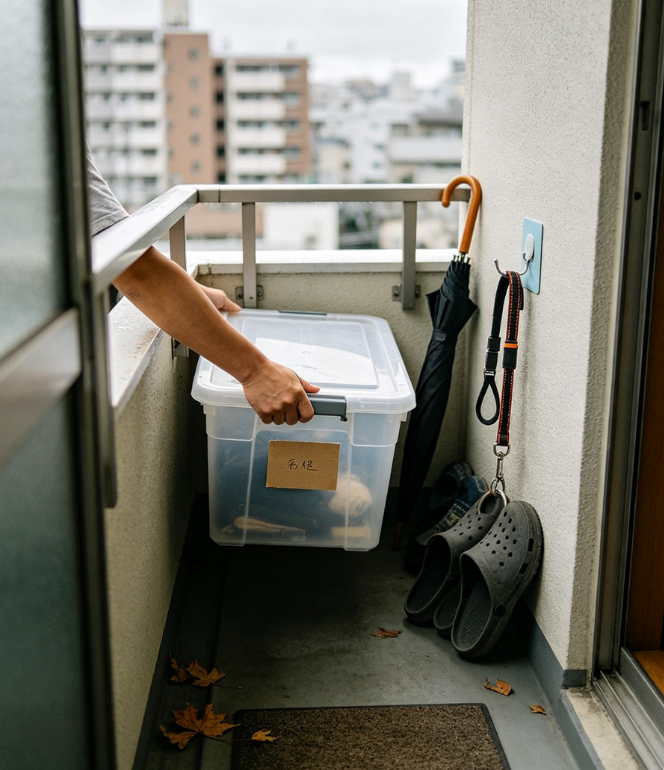
Anyone renting a small apartment knows the biggest ongoing struggle is never furniture layout—it’s simply having nowhere to put things. Indoor cabinets, entryway corners, and bedroom surfaces fill up fast with everyday essentials, seasonal gear, and random household extras. For a long time, my tiny balcony was nothing more than an afterthought. I used it as a temporary dumping ground, letting old bags, spare cleaning supplies, and outdoor gear pile up until the whole space felt messy and unusable. I avoided spending time out there entirely, yet I still suffered from cramped indoor living because I had no extra storage options indoors. Over months of testing simple, renter-safe solutions with no permanent installation, no drilling, and no expensive upgrades, I finally turned this miniature outdoor spot into reliable multi-purpose storage. Every method below comes from my real day-to-day use, with clear step-by-step practices and the actual downsides I’ve run into. There are no perfect staged solutions here, only realistic fixes that work for regular renters.
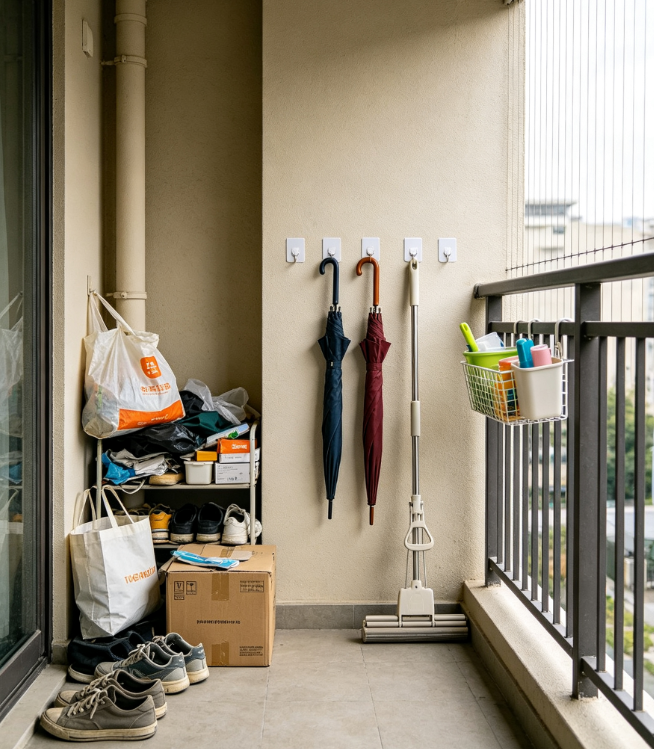
My first and most essential upgrade is no-drill rail and wall hanging storage for daily loose items, which solved my constant floor clutter issue. Before making this change, my balcony floor was always covered with umbrellas, outdoor shoes, cleaning tools, and plant accessories. Even small items took up precious floor room, leaving zero space to stand or set anything down. The setup process is quick, affordable, and completely reversible for rental properties. I started by cleaning every wall and railing surface thoroughly to remove dust, dirt, and residual moisture, as clean surfaces make adhesive attachments far more stable. I installed heavy-duty adhesive hooks on the empty wall closest to my balcony door to hang long, awkward items like foldable mops, brooms, and compact umbrellas. On the horizontal balcony rail, I clipped slim open wire baskets to hold small frequently used items: outdoor keychains, pet walking gear, disposable cleaning wipes, and small plant care tools. I split items by daily use to avoid overcrowding one basket, keeping everything easy to reach without digging through piles.
This hanging system keeps all lightweight daily items off the floor and works perfectly for regular everyday needs, but it has clear real-world limitations many guides leave out. Adhesive mounts do not hold up indefinitely through changing seasons. During hot summer weather, the warmth softens the adhesive, and I’ve had two hooks loosen and shift after months of heat exposure. In cool, rainy, humid weather, the edges start to peel gradually, requiring occasional re-sticking. I’ve learned to replace old adhesive strips every few months to prevent sudden falls. Another downside is strict weight limits. I once tried hanging a thick winter coat and heavy work gloves on a single hook cluster, and the entire strip peeled away, leaving faint sticky residue that took time to clean off. This method only works reliably for light items, so heavier outdoor gear still needs alternative storage solutions.
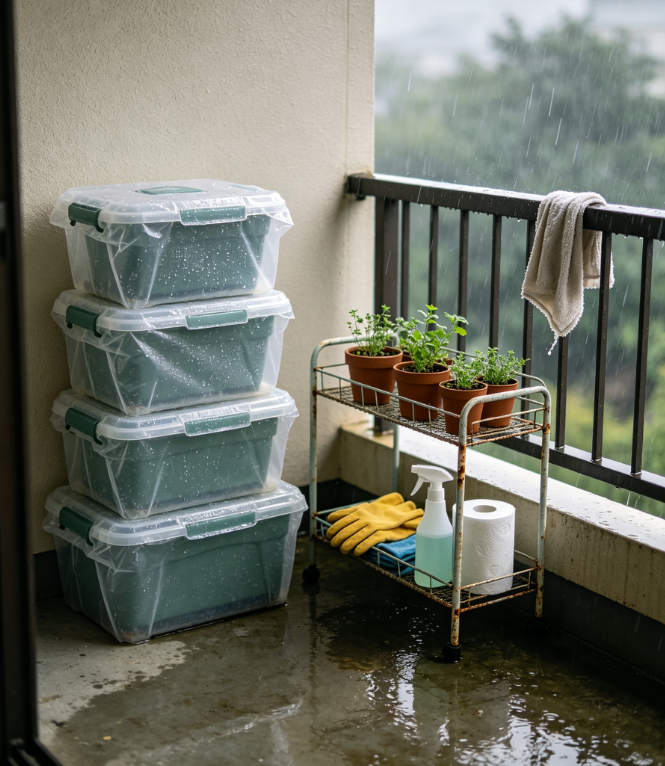
To handle bulk and seasonal household items, I added stackable lidded outdoor storage bins, which completely changed how I manage overflow household stuff. Small apartments never have enough closet space for off-season belongings, and I previously crammed winter layers, extra toiletries, backup cleaning supplies, and holiday extras into already full indoor cabinets. This created cramped indoor spaces and messy, overstuffed drawers. To fix this, I bought uniform-sized plastic lidded bins built for outdoor weather exposure. I sorted all my excess belongings into clear categories: one bin for cold-weather clothing and blankets, one for backup household refills, and one for seasonal decor and rarely used extras. I folded soft items tightly to maximize interior space, sealed each lid fully to block outdoor dust, and stacked the bins neatly in the driest back corner of the balcony, away from direct wind and heavy rain exposure. Simple paper labels on each bin let me find exactly what I need without unstacking everything.
Stackable bins are the most effective way to utilize vertical space on a tiny balcony and add tons of hidden storage without cluttering visible areas, yet they have noticeable flaws I adapt to daily. The biggest issue is limited capacity due to the small overall balcony size. I can only fit a small stack of bins, so larger bulky items like thick comforters still cannot be stored outside and must stay indoors. During extreme weather, outdoor storage becomes tricky. Summer heat builds up inside sealed bins, making them unsuitable for heat-sensitive items like rubber goods, candles, and certain fabric materials. I ruined a set of rubber utility gloves last summer after leaving them in a balcony bin, as the high heat made them brittle and misshapen. Additionally, strong wind-driven rain can seep through tiny lid gaps during storms. After discovering slightly damp fabric items once, I now keep a thin foldable tarp nearby to cover the bin stack on rainy days, which adds a small extra step to my weekly routine.
My final key addition is a foldable multi-tier metal shelf, designed to blend extra storage with flexible usable space. I didn’t want my balcony to only serve as a hidden storage zone; I also wanted a tiny spot to relax, set out small potted plants, or air-dry delicate laundry. A fixed permanent shelf was impossible for my rental space, so a fully foldable, portable shelf was the ideal middle ground. On normal days, I unfold the shelf and position it against the side wall. The sturdy bottom tier holds full water bottles and heavier laundry supplies, the middle tier holds my small herb plants and everyday outdoor accessories, and the top tier acts as a tiny makeshift table for drinks or small personal items when I sit outside. When I need open floor space for drying larger items or airing out blankets, I simply fold the shelf flat and lean it against the wall, where it takes up barely any room at all.
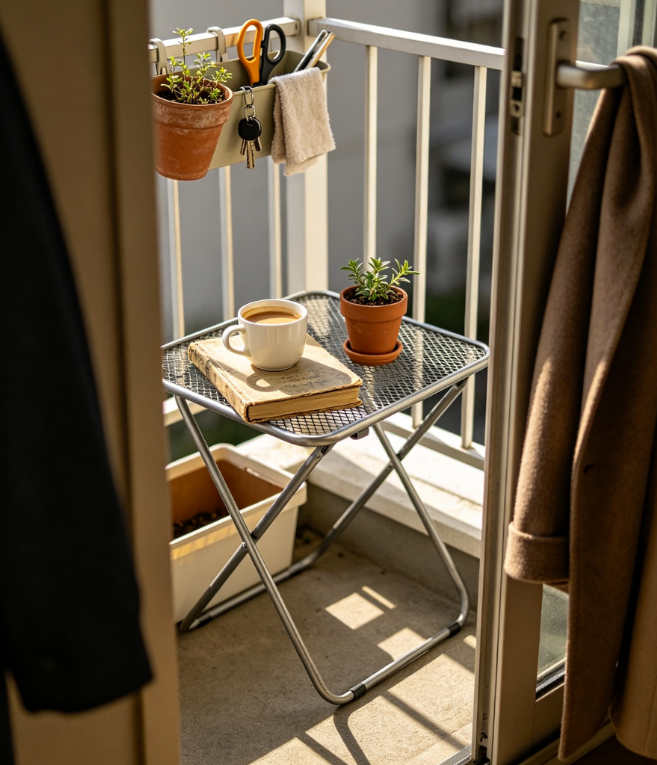
This foldable shelf balances function and flexibility better than any other solution I’ve tried, but it is not without practical downsides. Its foldable lightweight design means it lacks the sturdiness of fixed furniture. Placing heavy objects on the top tier causes noticeable wobbling, so I always reserve the lowest level for heavy items to avoid tipping risks. The outdoor metal finish also wears down over time in humid conditions. Despite being marketed as weather-resistant, small rust spots appeared on the shelf legs after repeated rainy seasons. I now wipe down the entire shelf after rain to reduce moisture buildup, though minor wear is still unavoidable. It also has a low overall weight limit, so it only works for light to medium storage and cannot replace sturdy bins for bulk household goods.
After living with these balcony storage setups for over a year, I’ve realized small-apartment rental storage is all about compromise and consistency. No solution is completely flawless, and every system requires minor regular upkeep to stay functional. Checking adhesive mounts seasonally, covering bins during bad weather, and maintaining the foldable shelf have become quick, routine tasks that keep my space organized. These simple, non-permanent changes transformed my wasted, messy balcony into a functional multi-purpose area that cuts down indoor clutter significantly. For fellow small-apartment renters, skipping overly perfect, unrealistic storage hacks and sticking to adaptable, low-effort solutions is always the most practical way to make the most of a tiny balcony space.