Renter-Friendly Summer Cooling Hacks (No-Damage, Lease-Safe Ways to Cool Hot Apartments & Cut AC Bills)
Many rental apartments turn unbearably hot and stuffy in summer, especially top-floor units, west-facing rooms, and buildings with poor ventilation. Most standard rentals feature single-pane heat-absorbing windows, uninsulated exterior walls, exposed heat-generating pipelines, and trapped indoor air that cause rooms to overheat rapidly under sunlight. Unlike homeowners who can install insulated windows, add roof heat insulation, replace wall thermal layers, and renovate ventilation systems, renters are restricted by lease rules that forbid structural changes, drilling, permanent pasting, and fixture modification. Running air conditioners all day leads to sky-high electricity bills, while improper cooling methods cause stuffiness, humid discomfort, and even mold growth. Fortunately, fully reversible, no-damage summer cooling and heat insulation hacks effectively block solar heat, accelerate indoor air circulation, reduce room temperature, and cut AC energy waste without any apartment renovation or security deposit risk.
Why rental apartments overheat severely in summer. Most apartment summer heat problems come from passive heat absorption rather than insufficient cooling equipment. Direct solar radiation through bare windows raises indoor temperature drastically in the daytime. Uninsulated exterior walls continuously absorb outdoor heat and radiate heat inward for hours after sunset. Poor rental room layout leads to stagnant air and no natural cross ventilation. Heat-generating appliances such as refrigerators, routers, and kitchen equipment accumulate residual indoor heat. Many tenants use lease-risky solutions like permanent heat insulation foam, drilled exhaust fans, and fixed window shading frames, which leave wall damage and residue. The core principle of renter-safe summer cooling is solar heat blocking, portable air circulation, surface heat isolation, humidity control, and zero structural damage.
No-damage window heat insulation to block solar radiation. Windows are the largest heat source for overheated rental rooms. Bare glass exposes interiors to direct sunlight, causing rapid temperature spikes and hot indoor surfaces. Renters cannot replace glass or install fixed sunshades, but removable window treatments block heat perfectly. Reflective window heat insulation films reflect solar radiation, reduce glass surface temperature, and prevent heat penetration without blocking natural light completely. Full-size blackout heat-insulating curtains block strong afternoon sunlight, form a portable thermal barrier, and prevent room heat accumulation. Removable window side gap seals reduce hot air infiltration and keep cooling air inside. All window cooling accessories are peelable, residue-free, and fully moveable for move-out.
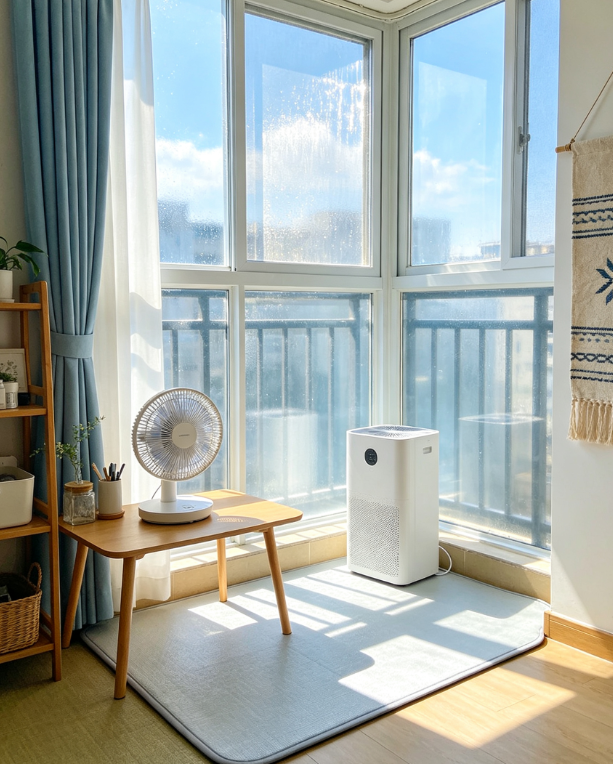
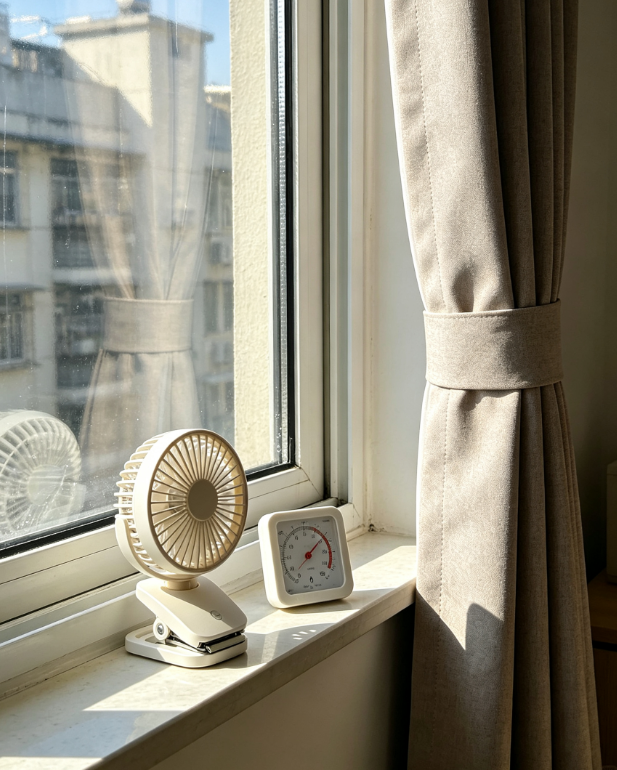
Portable ventilation hacks to eliminate stuffy stagnant air. Closed rental rooms easily form stuffy, muggy air in summer, even with air conditioning on. Fixed exhaust fans and built-in ventilation systems cannot be modified by tenants, but portable air circulation tools create natural cross-breeze effects. Portable tower fans, circulating fans, and clip-on window fans accelerate indoor air flow, eliminate dead-air corners, and reduce stuffiness. Reasonable window opening and fan placement forms artificial cross ventilation, exhausting accumulated hot air and drawing in cooler outdoor breeze during evening and morning hours. These plug-and-play devices require no installation, no wiring changes, and greatly improve indoor comfort without lease violation.
Wall & balcony heat isolation to reduce residual heat. West-facing walls, top-floor ceilings, and balcony floors absorb massive heat during the day and release heat slowly at night, making rooms hot and hard to cool down. Renters cannot add ceiling insulation or wall thermal layers, but temporary covering and layout adjustment relieve residual heat effectively. Large lightweight wall tapestries and fabric coverings reduce direct wall heat radiation. Removable balcony floor mats and shading cloths isolate high-temperature concrete heat conduction. Freestanding storage furniture placed against hot exterior walls buffers heat exchange between walls and indoor air. These zero-renovation methods significantly reduce long-wave heat radiation in hot summer rooms.
Humidity control for cooler & fresher indoor air. High summer humidity makes room temperatures feel hotter than they actually are, causing sticky skin feeling, stuffy breathing, and mold growth in hidden corners. Simple renter-safe dehumidification methods improve cooling perception greatly. Portable dehumidifiers reduce indoor moisture, making air feel fresher and cooler even at the same temperature. Natural ventilation during low-humidity periods discharges damp air and reduces indoor muggy accumulation. Dry and fresh indoor air improves cooling efficiency and avoids AC overuse.
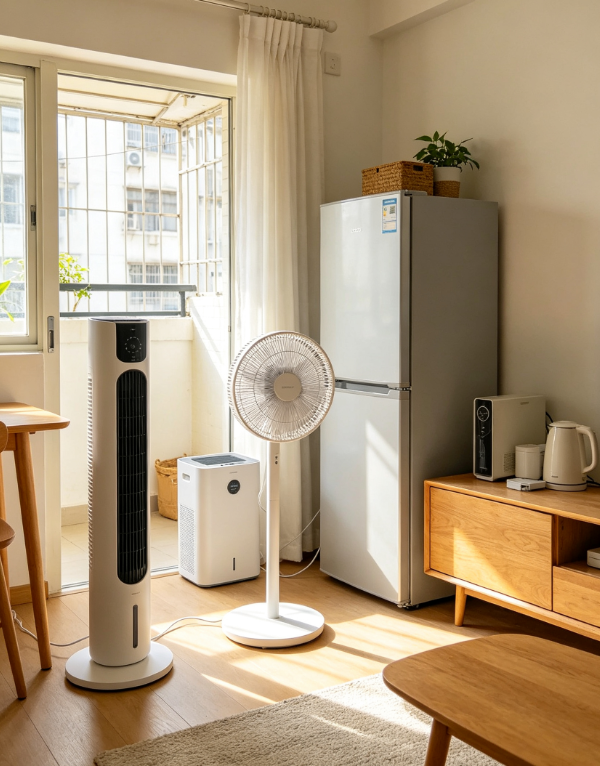
Appliance heat management to avoid extra indoor heat. Many renters ignore residual heat generated by daily appliances, which continuously raise indoor temperature. Long-running refrigerators, routers, set-top boxes, computers, and kitchen equipment release cumulative waste heat. Centralized power management and timely heat dissipation reduce extra heat sources. Turn off idle electrical equipment completely instead of keeping standby status. Reserve heat dissipation gaps around refrigerators and cabinets to avoid heat accumulation. Reducing hidden appliance heat effectively lowers overall room temperature and relieves AC load.
Scientific summer living habits to save cooling bills. Low-cost daily habits maximize cooling effect and reduce electricity consumption. Close heat-insulating curtains and windows during strong sunlight hours to block heat invasion. Open windows and ventilate fully during cool morning and night periods to discharge residual heat. Set reasonable AC temperature and use circulating fans together to improve cold air convection. Avoid frequent switching of air conditioners to prevent high-power startup consumption. These zero-cost habits keep rooms cool while cutting monthly utility expenses significantly.
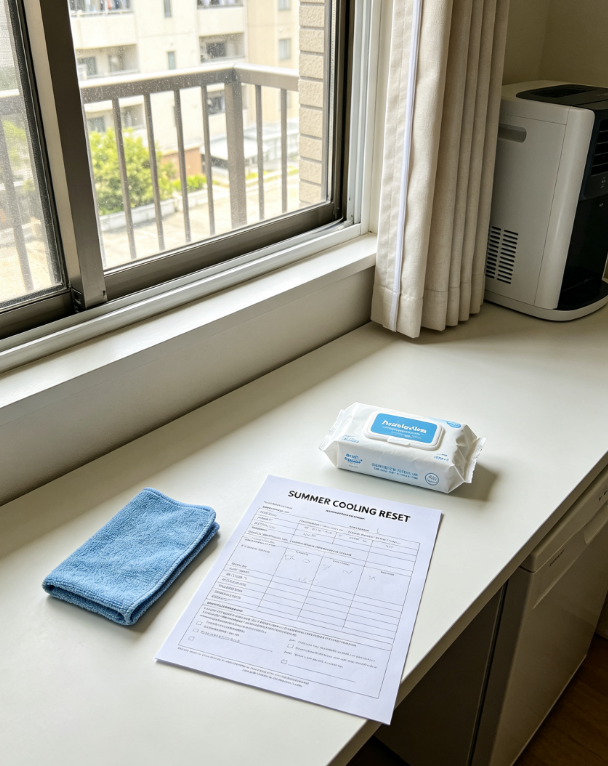
Move-out summer cooling reset & inspection checklist. Gently remove all window heat insulation films, sealing strips, and sunshade accessories. Take down thermal curtains, wall tapestries, and balcony shading cloths. Pack up all portable fans, dehumidifiers, and cooling equipment. Clean glass, walls, and balcony surfaces to remove adhesive traces and dust. Restore all original windows, walls, and fixtures to their initial condition for landlord inspection.
All summer cooling upgrades are 100% lease compliant. Every insulation film, shading curtain, ventilation tool, dehumidifier, heat isolation layout, and energy-saving habit requires no drilling, no wall modification, no fixture replacement, no structural renovation, and no permanent damage. All summer cooling solutions are temporary, fully reversible, residue-free, and security-deposit safe.
Overall, renters do not need professional thermal insulation renovation or expensive equipment upgrades to cool down hot summer apartments. With window solar heat blocking, indoor air circulation optimization, wall and balcony heat isolation, humidity adjustment, and scientific appliance management, overheated rental rooms can stay cool, fresh, and comfortable all summer. These budget-friendly, no-damage summer cooling hacks improve living comfort, reduce sticky stuffiness, lower AC power consumption, and fully comply with rental lease rules for worry-free summer renting.