Treating Hypertension: A Practical Guide to Managing High Blood Pressure
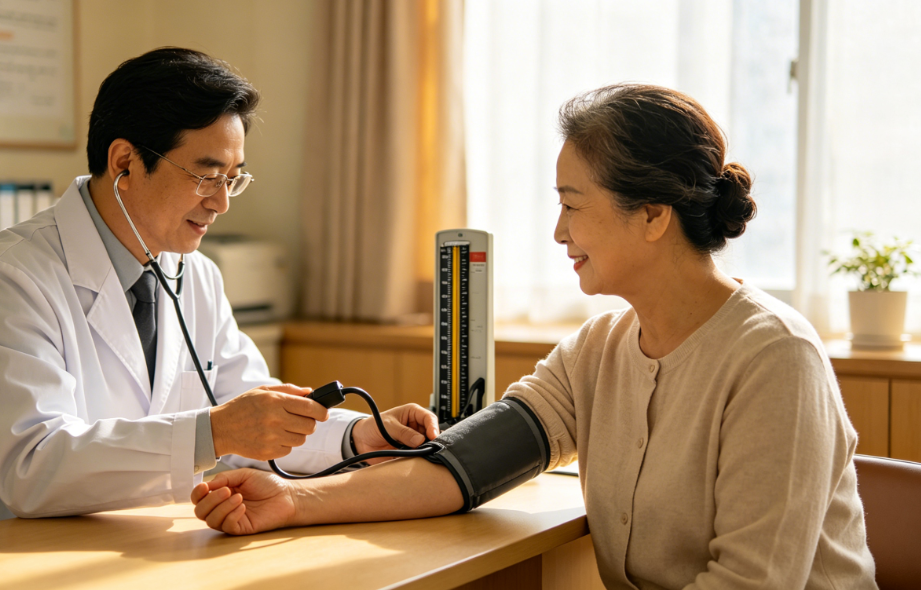
Hypertension, or high blood pressure, is a common chronic condition that affects millions of people worldwide. Often called the “silent killer” because it rarely causes obvious symptoms in early stages, untreated hypertension can lead to serious health issues like heart disease, stroke, and kidney damage. The good news is that with proper treatment and lifestyle adjustments, hypertension can be effectively managed to reduce health risks. This article explains the key treatments and strategies to control high blood pressure.

Understanding Hypertension
Blood pressure is the force of blood pushing against the walls of your arteries. A normal blood pressure reading is below 120/80 mmHg. Hypertension is diagnosed when readings consistently stay at or above 130/80 mmHg. It can be primary (no clear cause, often linked to genetics and lifestyle) or secondary (caused by other conditions like kidney disease or hormonal disorders).
Key Treatments for Hypertension
Treatment for hypertension typically combines lifestyle changes and, in many cases, medication. The goal is to keep blood pressure within a healthy range long-term.
1. Lifestyle Modifications
Lifestyle changes are the foundation of hypertension treatment, even for those taking medication.
– Healthy Diet: Follow a low-sodium, high-potassium diet (like the DASH diet). Limit processed foods, salty snacks, and added sugars. Eat more fruits, vegetables, whole grains, lean proteins, and healthy fats.
– Regular Exercise: Aim for 150 minutes of moderate-intensity exercise (such as brisk walking, cycling, or swimming) per week. Even 30 minutes a day, five days a week, can lower blood pressure.
– Weight Management: Losing even 5-10% of your body weight can significantly reduce blood pressure, especially for those who are overweight or obese.
– Limit Alcohol and Quit Smoking: Excessive alcohol raises blood pressure; men should have no more than 2 drinks a day, women 1 drink. Smoking damages blood vessels, so quitting is essential.
– Manage Stress: Chronic stress can worsen hypertension. Practice relaxation techniques like deep breathing, meditation, or yoga to reduce stress levels.
2. Medications
If lifestyle changes alone are not enough, doctors may prescribe medication to control blood pressure. Common types include:
– Diuretics: Help the body eliminate excess sodium and water, reducing blood volume.
– ACE Inhibitors: Relax blood vessels to lower pressure.
– Calcium Channel Blockers: Prevent calcium from entering blood vessel walls, keeping them relaxed.
– ARBs: Block hormones that narrow blood vessels, helping them widen.
It’s important to take medication as prescribed—never stop or adjust doses without consulting a doctor, even if you feel well.
Monitoring and Follow-Up
Regular blood pressure monitoring is crucial. You can check it at home with a digital monitor or visit your doctor for regular check-ups. Keep track of your readings to share with your healthcare provider, who will adjust your treatment plan as needed.
When to Seek Emergency Care
Seek immediate medical help if you have a blood pressure reading above 180/120 mmHg, along with symptoms like severe headache, chest pain, shortness of breath, or dizziness—this is a hypertensive emergency.
Managing hypertension is a lifelong commitment, but with the right combination of lifestyle changes and medication, you can protect your heart and overall health. Always work closely with your doctor to create a personalized treatment plan.