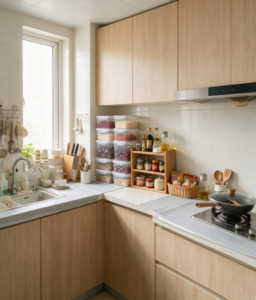
Renter-Friendly Small Apartment Layout Hacks (No-Renovation Ways to Make Tiny Spaces Feel Bigger)
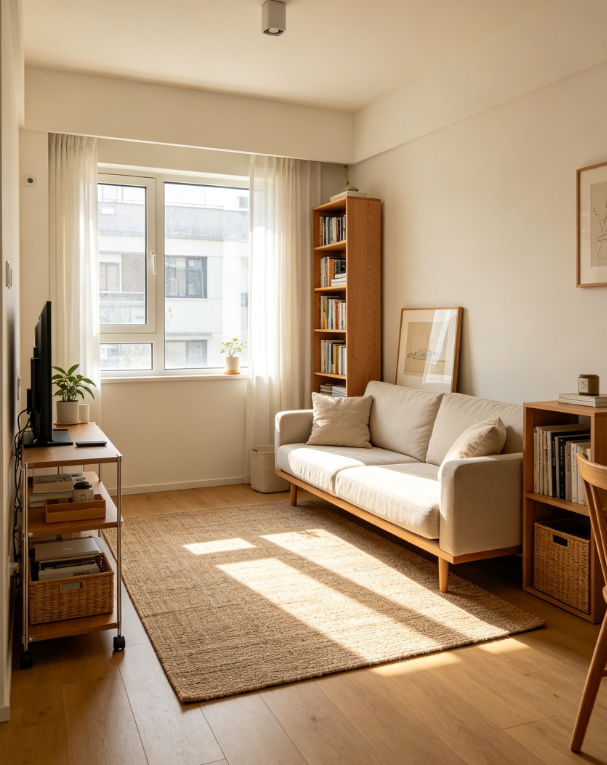
Tiny rental apartments often feel cramped, cluttered, and suffocating due to poor original builder layouts, awkward wall placements, small square footage, and fixed room structures. Most rental units come with pre-determined furniture placements, narrow walkways, blocked natural light, and wasted dead space that make even clean apartments feel crowded and disorganized. Unlike homeowners who can remove walls, relocate doorways, install built-in furniture, and redesign room layouts completely, renters are stuck with fixed architecture and cannot make any structural changes. Many tenants make their small apartments feel even smaller by using incorrect furniture placement, oversized decor, blocked sightlines, and poor zoning habits. Traditional renovation-based space expansion is impossible for renters and violates every standard lease agreement. Fortunately, fully temporary, non-destructive renter-friendly layout hacks visually expand tiny rooms, improve walking flow, maximize dead space, and transform cramped rentals into open, spacious homes with zero permanent modifications.
Common layout mistakes that make small rentals feel tiny and messy. Most renters unknowingly shrink their apartments with basic decorating errors. Pushing all furniture flat against walls creates hollow awkward centers and choppy room flow. Blocking windows, corners, and entry pathways cuts off natural light and breaks open sightlines, making rooms feel enclosed. Using oversized bulky furniture for tiny floor plans crowds walkways and eliminates functional space. Many tenants also fail to create clear room zoning, mixing work, sleep, dining, and lounging areas into one chaotic undivided space. These simple layout errors make even average-sized apartments feel cramped and poorly designed. The core principle of renter-safe space expansion is open sightline design, multi-functional furniture usage, strategic zoning, vertical space utilization, and zero structural alteration.
Furniture floating techniques to open cramped floor space. The biggest secret designer trick for small apartments is floating furniture, and it is completely renter-friendly. Instead of pushing sofas, tables, and chairs tight against walls, pulling furniture slightly inward creates defined lounge zones and smooth walking pathways. Floating furniture opens up blocked corner space, improves air circulation, and creates layered depth that tricks the eye into seeing a larger room. This zero-cost layout tweak improves traffic flow, eliminates awkward empty wall gaps, and makes tiny living rooms feel professionally styled and significantly more spacious with no tools or renovations.
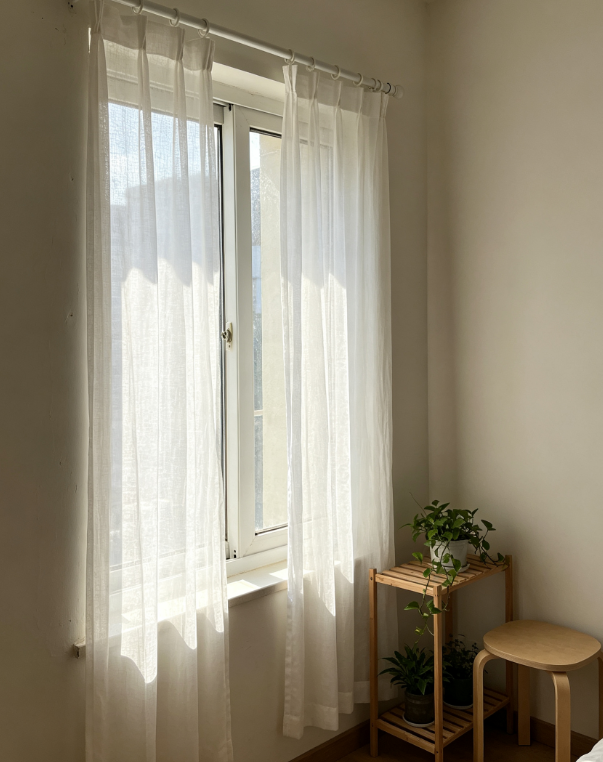
Zero-damage visual expansion with curtain & rug layout tricks. Improperly sized rugs and low-hanging curtains chop small rooms into smaller segmented sections. Renters cannot modify walls, ceiling heights, or window frames, but strategic textile placement visually lifts ceilings and stretches room width. Hanging curtain rods higher and wider than window frames expands visible window size, letting maximum natural light flood the room. Using one large unified area rug instead of multiple small disjointed rugs creates continuous floor flow, eliminating chopped visual space. These temporary, removable styling tricks instantly double perceived room size without altering apartment structures.
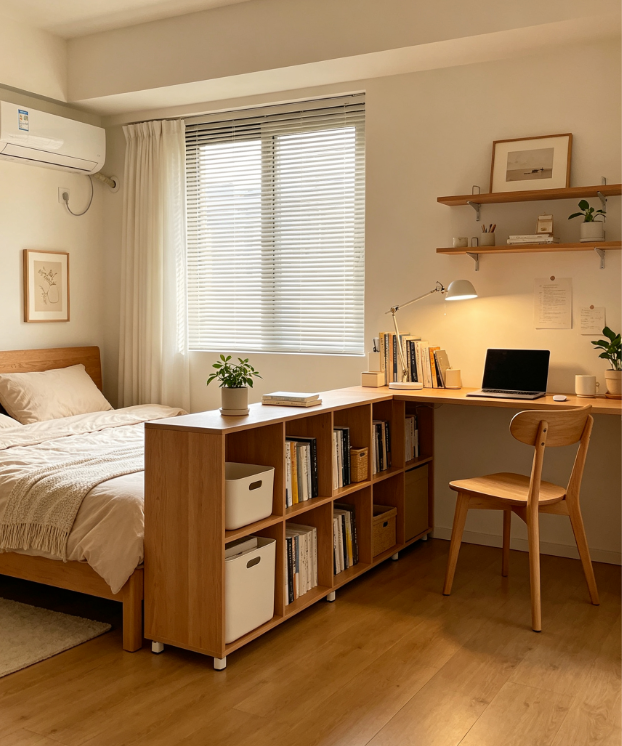
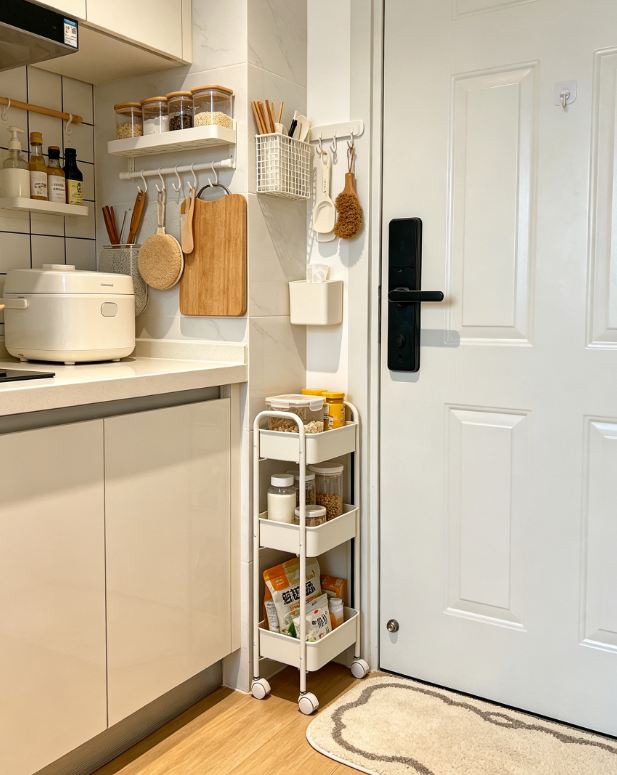
Multi-functional portable furniture for zero-waste zoning. Tiny rental apartments lack dedicated rooms for office work, dining, storage, and guest seating. Permanent built-in room dividers and fixed partition walls are prohibited for renters, but lightweight multi-functional furniture creates flexible, removable room zones. Slim open bookshelves, rolling carts, narrow console tables, and foldable room dividers split open studio layouts into separate sleeping, working, and relaxing areas. Each piece is fully movable, portable, and non-damaging, allowing tenants to reconfigure layouts seasonally or for different needs without lease violations.
Sightline optimization to maximize natural light & depth. Clear, unobstructed sightlines are the fastest way to make small apartments feel open and airy. Blocking windows, wall corners, and central room space with tall bulky furniture destroys depth and traps darkness. Renter-friendly layout rules prioritize short furniture near windows, clear central walkways, and open corner visibility. Keeping window sills clear, avoiding tall cabinets near natural light sources, and arranging furniture to face open walls creates long, continuous sightlines that visually stretch room dimensions drastically.
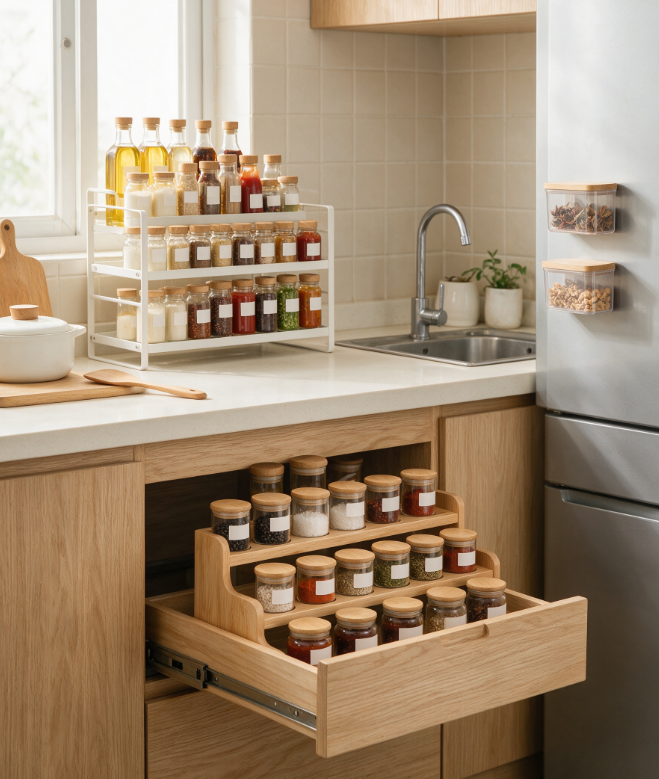
Dead space transformation for hidden apartment expansion. Every small rental has overlooked dead zones: narrow wall gaps, empty corner nooks, space above doorways, and unused window side areas. Most tenants leave these zones empty or clutter them with random items. Renter-friendly slim furniture, floating freestanding shelves, narrow plant stands, and compact organizers convert useless dead space into functional storage or decor zones. Utilizing vertical and corner space removes clutter from main floor areas, keeping primary rooms open and spacious while adding hidden square footage of usable function.
Lighting layering to eliminate cramped dark corners. Dim single overhead lighting creates harsh shadows and compressed visual space in small rentals. Tenants cannot replace ceiling fixtures or modify wiring, but layered portable lighting brightens dark corners and evens out room brightness. Mixing floor lamps, table lamps, and soft accent lighting removes shadowed cramped areas, creating a bright, open atmosphere. Well-lit rooms always feel larger, cleaner, and more welcoming with zero structural changes.
Move-out friendly layout reset & maintenance tips. Keep main walkways clear at all times to preserve open flow. Rearrange multi-functional furniture seasonally to refresh space usage. Avoid permanent furniture anchoring or wall-mounted zoning pieces. Remove all portable dividers, decor, and layout accessories before move-out to restore original empty room layout perfectly.
All layout optimization hacks are 100% lease compliant. Every furniture rearrangement, textile styling trick, portable divider, and lighting adjustment requires no drilling, no painting, no structural changes, and no permanent fixture installation. All layout upgrades are temporary, fully reversible, and residue-free for full security deposit protection.
Overall, renters do not need wall removals, renovations, or custom construction to expand small apartments visually and functionally. With floating furniture techniques, strategic textile styling, flexible portable zoning, dead space utilization, and layered lighting, any tiny, cramped rental apartment can feel larger, brighter, and more organized. These budget-friendly, non-destructive layout hacks maximize every inch of limited square footage, eliminate cluttered cramped vibes, improve home functionality, and create an open, spacious living atmosphere while fully complying with all rental lease terms.