How to Relieve Stress: Science-Backed Strategies for a Calmer Mind and Body
In today’s fast-paced world, stress has become an unavoidable part of daily life. From work deadlines and family responsibilities to global uncertainties, we all experience stress in varying degrees. While a small amount of stress can act as a motivator, chronic stress—when left unmanaged—takes a toll on both our physical and mental health. It can raise blood pressure, weaken the immune system, trigger anxiety and depression, and disrupt sleep and digestionsuperscript:6]. The good news is that you don’t need expensive treatments or complicated routines to find relief. There are simple, science-backed strategies you can incorporate into your daily life to calm your mind, soothe your body, and build resilience against stress.
Stress is a natural response to challenges, but how we cope with it determines its impact on our well-being. The goal isn’t to eliminate stress entirely— that’s impossible—but to learn how to respond to it in a healthy way. By combining quick, on-the-spot techniques for acute stress with long-term habits that build resilience, you can take control of your stress levels and live a calmer, more balanced life. Below are practical, evidence-based strategies to help you relieve stress, whether you’re feeling overwhelmed in the moment or looking to reduce chronic stress over time.
1. Breathe Your Way to Calm: Quick Relief for Acute Stress
When stress hits—whether it’s a stressful meeting, a sudden setback, or a racing mind—controlled breathing is the fastest way to trigger your body’s relaxation response. Your breath is a powerful tool: slowing it down and deepening it directly stimulates the vagus nerve, which connects your brain to your body’s calming system, lowering your heart rate and reducing stress hormones like cortisolsuperscript:3].
Try the 4-7-8 breathing technique, a simple method proven to reduce stress in minutes: Sit comfortably, place one hand on your stomach, and inhale slowly through your nose for 4 seconds, feeling your stomach rise. Hold your breath for 7 seconds, then exhale slowly through your mouth for 8 seconds, letting your stomach fall. Repeat this 3-5 times, focusing solely on your breath. This technique works anywhere—at your desk, in the car, or before bed—and requires no equipment or training.superscript:5]
For an even quicker fix during moments of intense stress, try the cold water trick: Splash cold water on your face or hold a cold, wet cloth against your forehead and cheeks. This triggers the mammalian dive reflex, which sharply reduces your heart rate and calms your nervous system almost immediatelysuperscript:3].
2. Move Your Body: Release Stress Through Physical Activity
Regular exercise is one of the most studied and effective stress relievers. When you move your body, your brain releases endorphins—often called “feel-good” hormones—that boost your mood and counteract the effects of stress. Exercise also reduces cortisol levels, builds physical resilience, and improves sleep, which in turn helps you cope better with stresssuperscript:7].
You don’t need to run a marathon or spend hours in the gym. Even 30 minutes of moderate-intensity exercise—such as brisk walking, cycling, yoga, or dancing—three times a week can make a significant difference. Short bursts of activity throughout the day also count: take the stairs, stretch during breaks, or go for a 10-minute walk after meals. The key is to choose movement you enjoy, so you’re more likely to stick with itsuperscript:9].
Progressive muscle relaxation is another effective physical technique: Start with your toes, tense the muscles for 5 seconds, then release them completely, feeling the tension melt away. Work your way up your body—calves, thighs, abdomen, shoulders, and hands—focusing on one muscle group at a time. This practice helps you become more aware of physical tension and release it intentionallysuperscript:1].
3. Nurture Your Mind: Mindfulness and Mental Detox
Stress often stems from dwelling on the past or worrying about the future, which keeps your mind in a constant state of arousal. Mindfulness—the practice of focusing on the present moment without judgment—helps break this cycle, reducing anxiety and promoting calm. Studies show that regular mindfulness practice lowers cortisol levels and improves emotional regulation, making it easier to cope with stresssuperscript:5].
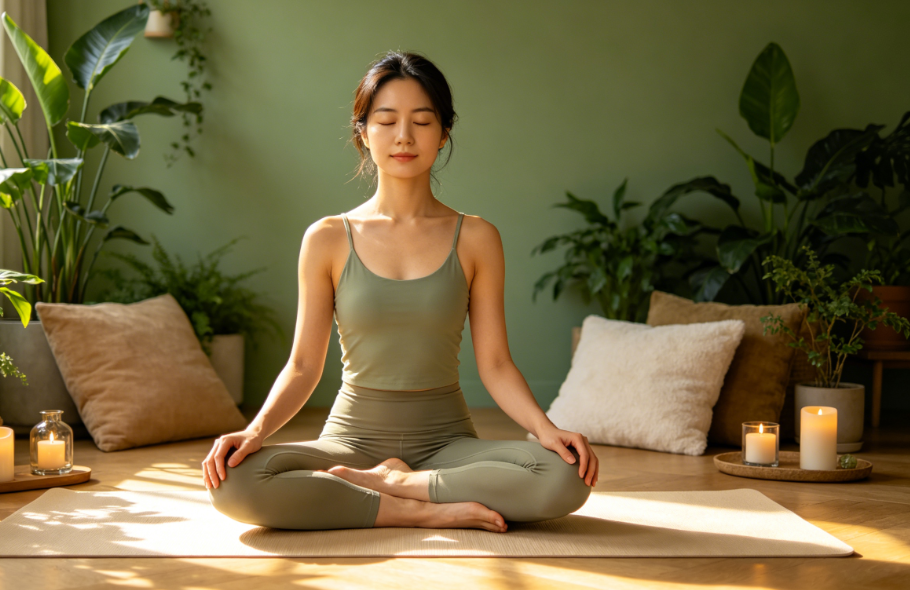
You can practice mindfulness in simple ways: Spend 5-10 minutes each day sitting quietly, focusing on your breath or the sounds around you. When your mind wanders (and it will), gently bring your attention back to the present. You can also practice mindful eating—savoring each bite, noticing the flavors and textures—or mindful walking, paying attention to the feeling of your feet on the groundsuperscript:1].
Another way to calm your mind is to limit exposure to stress triggers, such as excessive news or social media. Spending too much time scrolling through negative content can increase anxiety and overwhelm. Set boundaries: limit your news consumption to 15-20 minutes a day, and turn off notifications during times when you need to focus or relaxsuperscript:2].
4. Build Long-Term Resilience: Lifestyle Habits That Reduce Chronic Stress
While quick techniques help in the moment, building long-term resilience requires consistent lifestyle habits that support your physical and mental health. These habits work together to reduce your body’s overall stress response and make you more resilient to future stressors.
Prioritize Quality Sleep
Sleep is your body’s natural way of repairing and recharging, and chronic sleep deprivation worsens stress and anxiety. When you sleep, your brain processes emotions and resets stress hormones, so getting 7-9 hours of quality sleep each night is crucial. To improve sleep quality, establish a consistent bedtime routine: avoid screens 1 hour before bed, keep your bedroom cool, dark, and quiet, and avoid caffeine and heavy meals in the eveningsuperscript:2].
Eat a Balanced Diet
What you eat affects your mood and stress levels. A diet rich in whole foods—fruits, vegetables, whole grains, lean proteins, and healthy fats—provides your body with the nutrients it needs to regulate stress hormones. Foods high in fiber and fermented foods, such as yogurt, sauerkraut, and beans, can reduce perceived stress by supporting gut health, which is closely linked to brain health through the gut-brain axisuperscript:5]. Limit processed foods, added sugars, and excessive caffeine, which can spike energy levels and increase anxiety.
Cultivate Social Connections
Human connection is a powerful stress reliever. Sharing your worries with a trusted friend, family member, or loved one can help you feel supported and less alone. Social interaction triggers the release of oxytocin, a hormone that reduces stress and promotes feelings of calm and trustsuperscript:5]. Make time for meaningful connections: have a face-to-face conversation, join a community group, or volunteer—all of these activities boost mood and reduce stresssuperscript:2].
Practice Self-Compassion
Many of us are hard on ourselves when we’re stressed, which only adds to our burden. Self-compassion—treating yourself with kindness and understanding, just as you would a friend—reduces stress and builds resilience. When you’re feeling overwhelmed, acknowledge your feelings without judgment. Remind yourself that it’s okay to feel stressed, and that you’re doing your best. Small acts of self-care—like taking a hot bath, reading a book, or doing a hobby you enjoy—can also help you recharge and cope with stress better.
When to Seek Help
It’s important to remember that stress is normal, but if it becomes unmanageable and starts to interfere with your daily life—such as your work, relationships, or sleep—it may be time to seek professional help. Chronic stress can lead to serious mental health issues, and there’s no shame in asking for support. A mental health professional can help you develop personalized strategies to manage stress and improve your well-being.superscript:2]
Conclusion: Stress Management Is a Journey, Not a Destination
Relieving stress isn’t about being perfect or eliminating stress entirely—it’s about finding what works for you and practicing consistently. Whether you use deep breathing to calm yourself in the moment, exercise to release tension, or mindfulness to stay grounded, every small step counts. By combining quick relief techniques with long-term lifestyle habits, you can build resilience, reduce the impact of stress on your body and mind, and live a calmer, more fulfilling life.
Remember, stress is a natural part of being human, but you don’t have to let it control you. With these science-backed strategies, you can take control of your stress levels and nurture your well-being—one breath, one movement, one kind choice at a time.