How to Cultivate a Healthy Lifestyle: Simple, Sustainable Steps for Long-Term Wellness
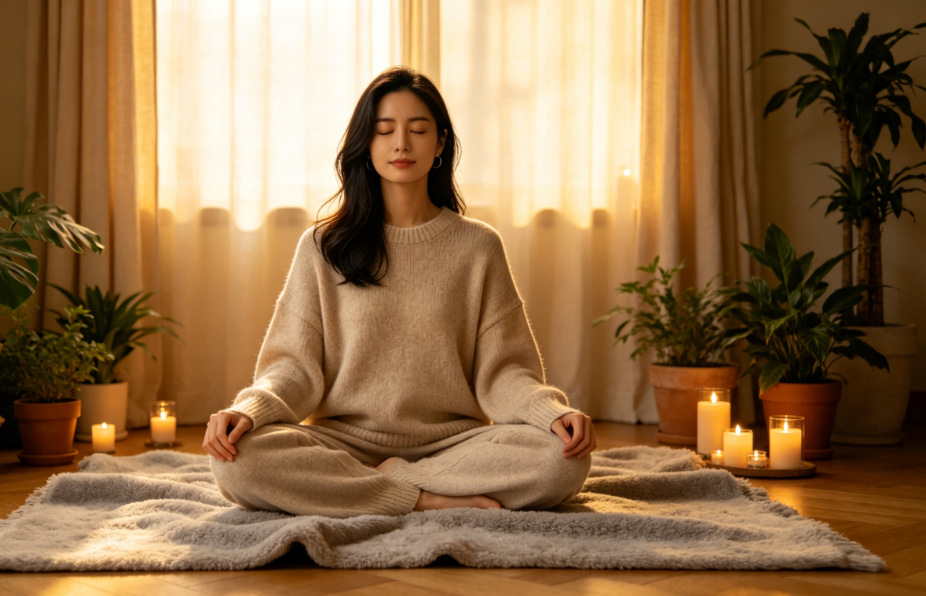
Health is not just the absence of illness—it’s a state of complete physical, mental, and emotional well-being. In our fast-paced, modern lives, it’s easy to prioritize work, family, and other responsibilities over our own health, often waiting until we feel unwell to take action. But the key to lasting wellness lies in small, consistent choices that nurture our bodies and minds every day. You don’t need extreme lifestyle overhauls, expensive products, or complicated routines to live a healthier life. Instead, focusing on foundational habits that are easy to integrate into your daily routine can help you build resilience, boost energy, and enhance your overall quality of life. This article explores the essential pillars of a healthy lifestyle, offering practical, science-backed tips to help you start your wellness journey today.
Wellness is a holistic journey—physical health, mental clarity, and emotional balance are deeply interconnected. A tired body can affect your mood, while chronic stress can weaken your immune system. By addressing all three areas, you can create a balanced, sustainable lifestyle that supports your long-term health. The goal is not perfection, but progress: even small changes, when done consistently, can lead to significant improvements in how you feel, both physically and mentally.
Pillar 1: Nourish Your Body with Balanced Nutrition
Your body is fueled by the food you eat, and balanced nutrition is the foundation of physical health. Contrary to popular belief, healthy eating doesn’t mean restrictive diets or cutting out entire food groups—it means choosing nutrient-dense foods that provide your body with the vitamins, minerals, and energy it needs to function at its best.
Focus on incorporating a variety of whole, unprocessed foods into your diet: fill half your plate with colorful fruits and vegetables (rich in antioxidants and fiber), choose whole grains (oats, quinoa, brown rice) over refined grains, add lean proteins (chicken, fish, beans, tofu) to every meal, and include healthy fats (avocado, nuts, olive oil) to support brain health and satiety. Limit processed foods, added sugars, and excessive salt, which can contribute to inflammation, energy crashes, and chronic health issues.
Equally important is mindful eating: slow down, savor each bite, avoid eating while distracted (such as scrolling through your phone or watching TV), and listen to your body’s hunger and fullness cues. This helps prevent overeating and allows you to enjoy your food more fully, while also helping you recognize when your body has had enough.
Pillar 2: Move Your Body Regularly (Without Burnout)
Physical activity is essential for maintaining muscle strength, cardiovascular health, and mental well-being—but it doesn’t have to mean grueling workouts or spending hours in the gym. The World Health Organization recommends adults get at least 150 minutes of moderate-intensity exercise (such as brisk walking, cycling, or swimming) per week, plus two days of strength training to build bone and muscle mass.
The key is to find movement you enjoy, so you’re more likely to stick with it. Whether it’s dancing, hiking, yoga, gardening, or even a 10-minute walk after meals, any activity that gets your heart rate up and your body moving counts. Incorporate small bursts of movement throughout the day: take the stairs instead of the elevator, stretch every hour if you work at a desk, or do a few squats while waiting for your coffee. These small efforts add up and help you avoid the sedentary trap of modern life.
Remember, rest is just as important as movement. Allow your body time to recover between workouts, and avoid pushing yourself to the point of burnout. The goal is to move your body in a way that feels energizing, not exhausting.
Pillar 3: Prioritize Quality Sleep for Recovery
Sleep is often the first thing we sacrifice when life gets busy, but it’s one of the most critical factors for health. While we sleep, our bodies repair tissues, regulate hormones, and process information—supporting immune function, cognitive clarity, and emotional stability. Chronic sleep deprivation (getting less than 7–9 hours per night for adults) can weaken your immune system, impair focus, increase stress, and raise your risk of chronic diseases like heart disease and diabetes.
To improve sleep quality, establish a consistent bedtime routine: avoid screens (phones, TVs, laptops) 1 hour before bed (blue light disrupts the production of melatonin, the sleep hormone), keep your bedroom cool (60–67°F/15–19°C), dark, and quiet, and avoid caffeine and heavy meals in the evening. Try to go to bed and wake up at the same time every day, even on weekends, to regulate your body’s circadian rhythm. If you struggle with falling asleep, try reading a book, listening to calming music, or practicing gentle breathing exercises.
Pillar 4: Manage Stress to Protect Mental and Physical Health
Chronic stress is a silent threat to health—it can raise blood pressure, weaken the immune system, contribute to anxiety and depression, and even disrupt sleep and digestion. In our busy lives, stress is inevitable, but how we manage it makes all the difference. The goal is not to eliminate stress, but to develop healthy coping mechanisms that help you respond to it in a positive way.
Simple stress-management techniques include: meditation or deep breathing (even 5 minutes a day can reduce stress hormones like cortisol), spending time in nature (research shows being outdoors lowers stress and improves mood), engaging in hobbies you enjoy (painting, reading, gardening), and connecting with loved ones (social support is key for mental well-being). If stress feels overwhelming, don’t hesitate to seek help from a mental health professional—this is a sign of strength, not weakness.
Pillar 5: Nurture Emotional Well-Being and Connection
Emotional health is just as important as physical health. Taking care of your emotional well-being means acknowledging your feelings, practicing self-compassion, and building meaningful connections with others. In a world that’s increasingly digital, it’s easy to feel disconnected—but strong social connections are vital for long-term health.
Make time for the people who matter to you: spend quality time with family and friends, either in person or through meaningful conversations. Join a community group or club based on your interests to meet new people and build a support system. Practice self-compassion: be kind to yourself when you make mistakes, and avoid negative self-talk. Remember, it’s okay to not be “okay” sometimes—allowing yourself to feel your emotions is an important part of emotional wellness.
Pillar 6: Practice Small, Consistent Habits (Not Perfection)
The biggest mistake many people make when pursuing a healthy lifestyle is trying to change everything at once, which often leads to burnout and frustration. Instead, focus on small, sustainable habits that you can integrate into your daily routine. For example, start by drinking an extra glass of water each day, adding a vegetable to your lunch, or taking a 10-minute walk after dinner. Once these habits become routine, you can add more.
Celebrate your progress, no matter how small. Whether you slept an extra hour, chose a healthy meal, or took a walk, every positive choice is a step toward better health. Don’t beat yourself up if you slip up—one unhealthy meal or a missed workout won’t derail your progress. Wellness is a journey, and consistency is more important than perfection.
Conclusion: Wellness Is a Lifelong Journey
Cultivating a healthy lifestyle is not about quick fixes or extreme changes—it’s about making small, consistent choices that nurture your body, mind, and emotions every day. By focusing on balanced nutrition, regular movement, quality sleep, stress management, emotional connection, and self-compassion, you can build a sustainable wellness routine that supports your long-term health.
Remember, everyone’s wellness journey is unique. What works for one person may not work for another, so listen to your body and find what makes you feel your best. Start today, take it one step at a time, and embrace the process—your future self will thank you.