Practical Everyday Home Storage Guide for Regular Households
Most home storage content you find online focuses on perfect, magazine-style homes that feel unattainable for regular people. These polished spaces are staged for photos, not for real life with busy schedules, kids, pets, and daily household chaos. Average homeowners constantly face the same frustrating issues: spaces that look clean today but messy tomorrow, cabinets that feel cramped no matter how they organize, and storage hacks that sound great but fail to work long-term. This guide answers the ten most common home storage questions from everyday house owners. Every solution is simple, actionable, and designed for real lived-in homes. Most importantly, every tip includes honest drawbacks and real limitations, so you know exactly what to expect before you reorganize your space.
1. Why does my home get messy again just one or two days after I fully organize it?
Constantly returning clutter is almost never caused by laziness. It happens because most people organize for looks instead of convenience. When you place frequently used items like keys, snacks, hair tools, or kitchen utensils in high cabinets, deep drawers, or hard-to-reach corners, every family member will naturally leave those items out on tables or counters to save time. The right fix is organizing by usage frequency. Keep all daily items at easy arm’s reach, store items you use weekly in standard cabinets, and tuck seasonal or rarely used items in high shelves or hidden corners. Spending three to five minutes tidying up before bed every night stops small messes from turning into full-room clutter.
Limitations: This system only works if everyone in the household follows the same rules. Kids or busy adults who leave items out will quickly undo progress. This method also cannot fix homes that simply have too many belongings for their available square footage, so clutter will still accumulate if you own more items than your space can hold.
2. Is buying more storage containers the best way to fix household clutter?
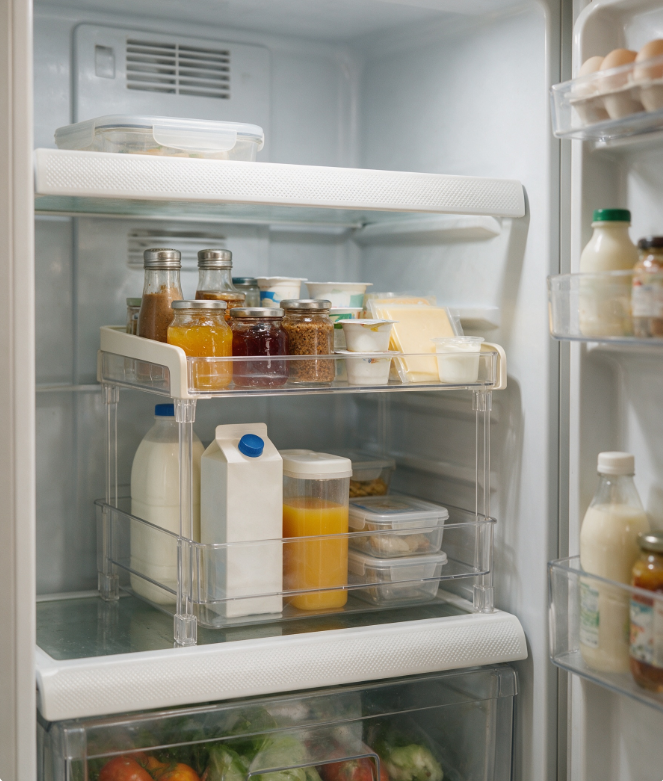
Adding more bins and boxes is one of the biggest organizing mistakes homeowners make. Empty storage containers encourage people to keep useless items they would otherwise throw away, turning visible mess into hidden clutter. Before purchasing any new storage tools, spend a few hours sorting every room. Throw away broken items, donate unused goods, and keep only what you actually use on a regular basis. Once you downsize your belongings, you can use basic containers to categorize similar items and keep spaces tidy.
Limitations: Generic storage containers never perfectly fit odd-shaped cabinet gaps, awkward wall spaces, or narrow drawer depths. Stacked bins make items at the bottom completely inaccessible, causing you to forget what you own and buy duplicates. Cheap plastic containers also warp, crack, or stain over time when holding heavy or messy household items.
3. How do I organize a small bedroom that has no built-in closet?
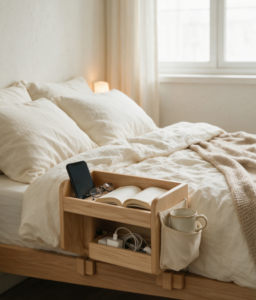
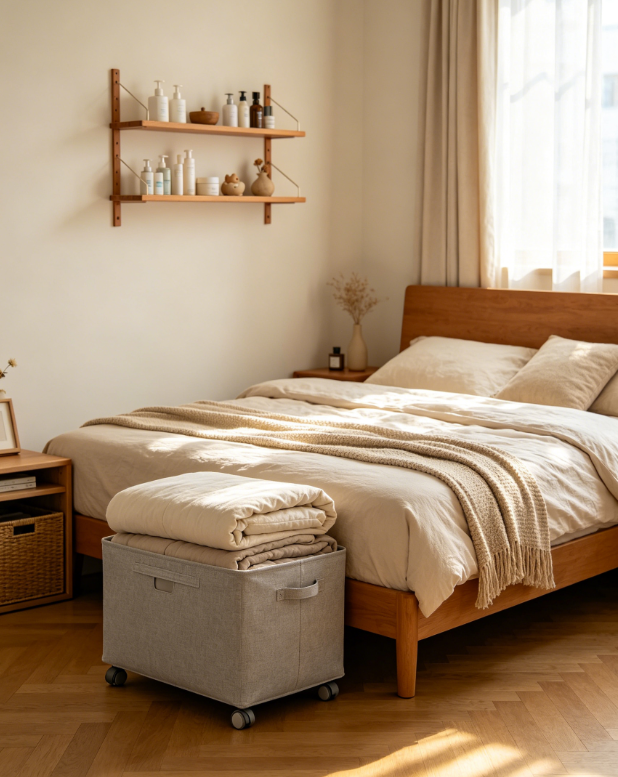
Small closet-free bedrooms feel cramped because people waste vertical and hidden dead space. Start by using slim wall-mounted floating shelves for skincare, accessories, and small daily items. Rolling under-bed storage drawers work perfectly for off-season clothing, extra blankets, and pillows. Simple over-the-door organizers hold shoes, hats, and lightweight accessories without taking up floor space. To avoid overcrowding, only keep one to two weeks of current outfits visible and store all other clothing out of sight.
Limitations: Over-the-door organizers limit how far your door can open and cannot hold heavy jackets or bulky items. Most rental properties do not allow wall drilling, eliminating shelf installation as an option. Under-bed drawers also trap dust, pet hair, and dirt, requiring regular cleaning to avoid buildup.
4. What is the most realistic way to fix messy, overcrowded kitchen cabinets?
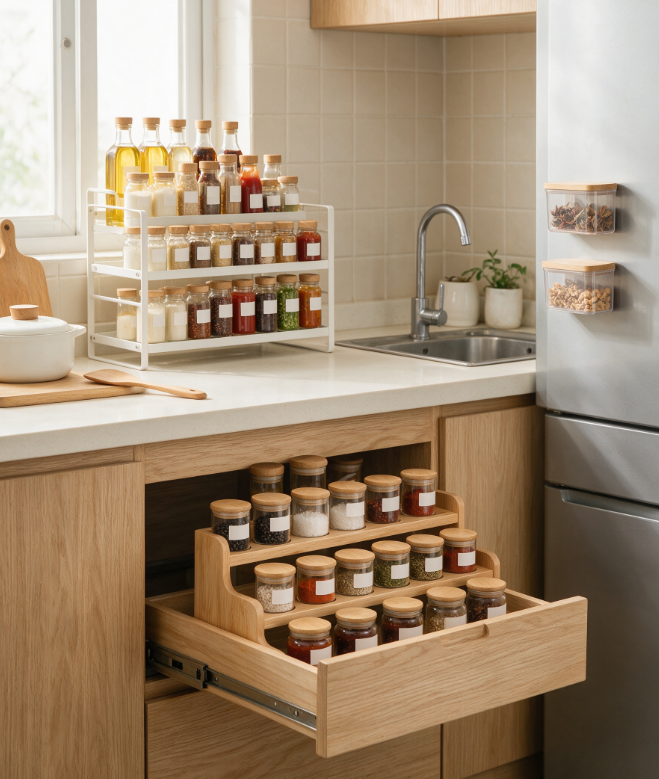
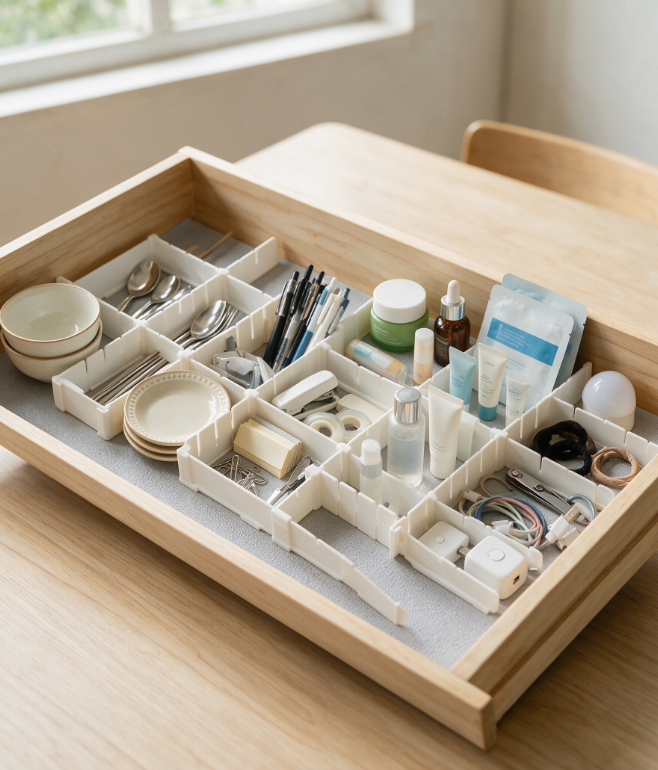
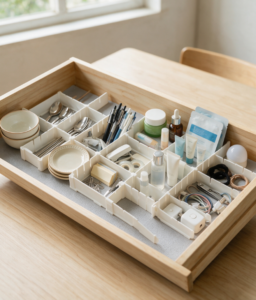
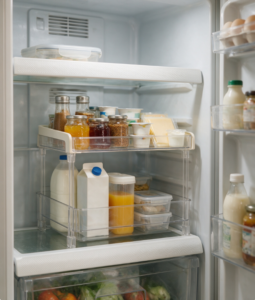
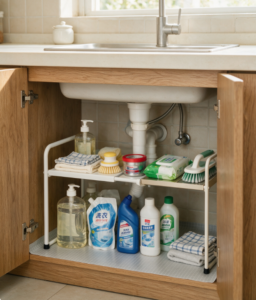
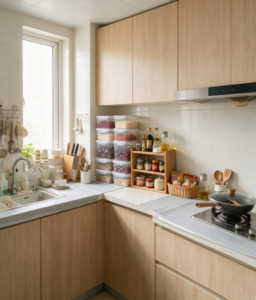
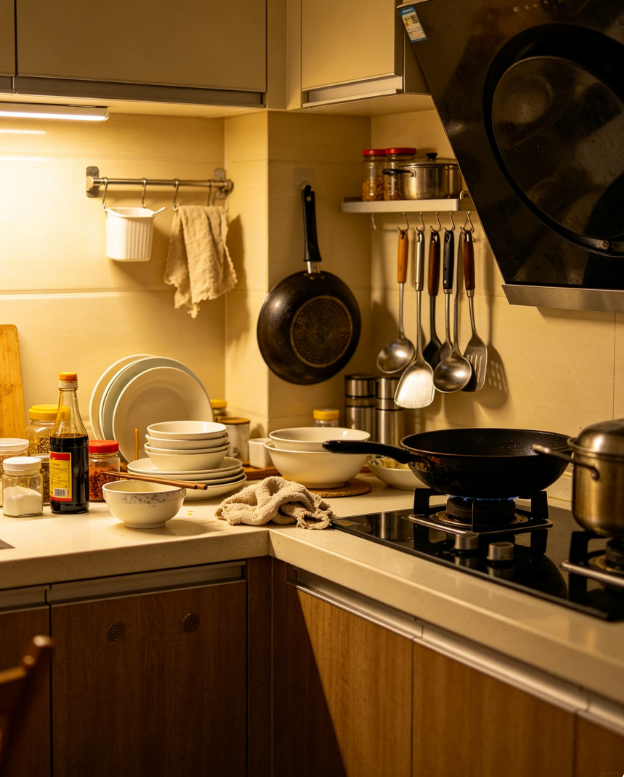
Most people organize kitchens by item type, such as grouping all cups together or all utensils together, which creates extra work. The most practical method is zone-based organization. Store cooking spoons, spatulas, and seasonings right next to the stove. Keep plates, bowls, and drinking glasses near the dining table. Place all cleaning sprays, sponges, and trash supplies under the sink. Simple shelf risers create extra vertical space for dishes, and basic drawer dividers separate messy utensils. Every few months, clear out expired spices, old condiments, and duplicate gadgets to free up hidden space.
Limitations: Shelf risers take up vertical clearance, making tall bottles, large pitchers, and oversized containers hard to fit. Items stored at the very back of deep lower cabinets remain difficult to reach and often stay unused for years, collecting dust and expiring unnoticed.
5. Is custom built-in storage worth the extra cost for average families?
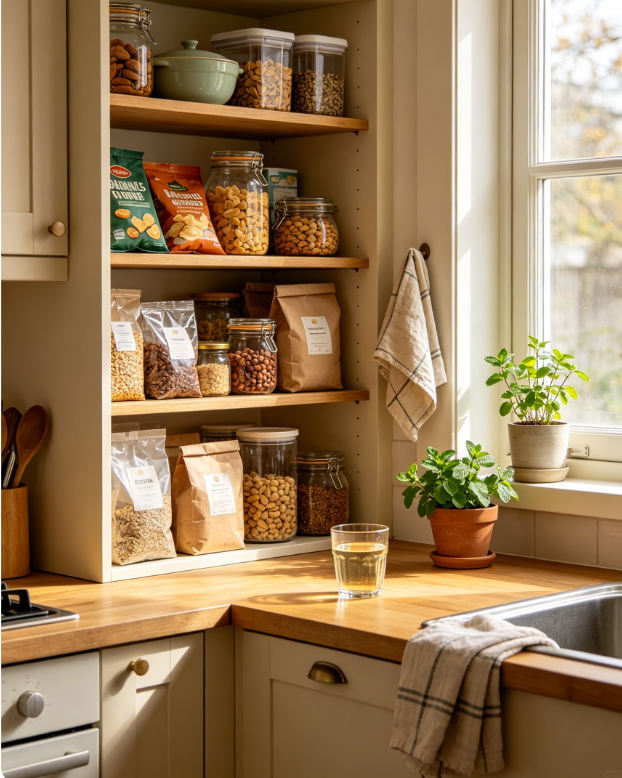
Custom storage solves problems regular furniture cannot fix, especially for homes with awkward walls, uneven corners, or narrow hallway spaces. Last year, I installed custom shallow wall storage in my small kitchen. My old free-standing shelves always looked cluttered and wasted narrow wall gaps, but the custom unit fit perfectly. It gave every snack, small appliance, and cooking supply a dedicated spot and eliminated my persistent countertop clutter overnight.
Limitations: Custom storage costs significantly more than standard shelves and cabinets. It is permanently fixed to your home, so you cannot move it if you rearrange furniture or relocate. If your storage needs change in the future, built-in units cannot be adjusted easily to fit new belongings.
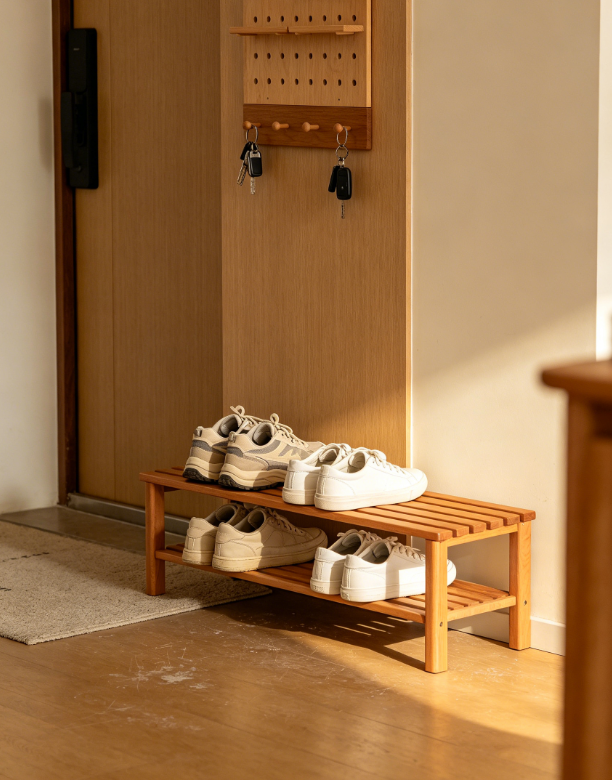
6. How do I stop endless shoe clutter piling up at my home entryway?
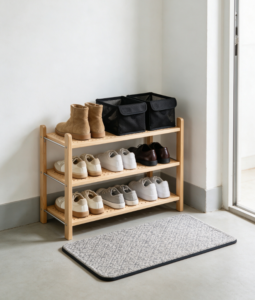
Entryway clutter happens when too many pairs of shoes stay exposed. A simple rule solves most of this issue: limit visible shoes to one or two daily pairs per family member. Store all winter boots, formal shoes, sports gear, and rarely worn footwear inside closed cabinets or bedroom storage. For years, my entryway was always crowded and messy because I kept every pair of shoes easily accessible. After sticking to this limited visible shoe rule, my entryway has stayed neat with almost no daily tidying required.
Limitations: Slim entryway racks cannot fit bulky winter boots or oversized footwear, forcing you to store those bulky items elsewhere. Open shoe storage gathers dust and dirt quickly, requiring frequent wiping. This method also does not add new floor space, so extremely tiny entryways will still feel tight during busy seasons.
7. Should I choose open shelves or closed cabinets for home storage?
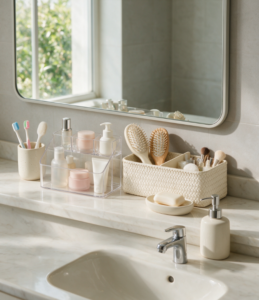
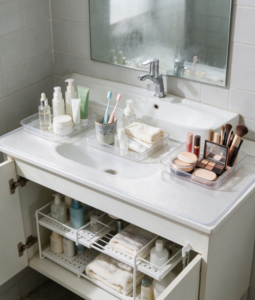
Neither option is universally better; both serve different practical purposes. Open shelves are ideal for items you use every day, like coffee mugs, books, and decorative pieces, because they allow fast, grab-and-go access. Closed cabinets work best for mismatched gadgets, cleaning supplies, toiletries, and any items that look messy or collect dust easily. Mixing both styles creates the most balanced, functional storage setup for regular family homes.
Limitations: Open shelves require weekly dusting and look chaotic if items are not neatly arranged. Closed cabinets waste deep rear storage space that often goes unused, and professional cabinet installation or replacement is far more expensive than basic open shelving.
8. How can I keep my home organized long-term without daily exhausting cleaning?
Sustainable organization relies on simple routines, not intense cleaning sessions. Assign every single item in your home a fixed “home” spot so you always know where to return it. Complete a quick five-minute nightly reset to put stray items back in place. Every three months, do a seasonal purge to throw away expired products, broken gadgets, and clothing you have not worn. Avoid impulsive shopping that adds unnecessary items to your home and creates new clutter.
Limitations: This routine depends on consistent household habits. Busy work weeks, travel, or uncooperative family members will gradually bring back small amounts of clutter. Seasonal purges also take several hours to complete, so you still need occasional dedicated cleaning time.
At its core, good home storage is never about fitting more stuff into your space. It is about building easy, sustainable systems that match real family life. Understanding the small drawbacks of every organizing method helps you set realistic expectations and maintain a comfortable, livable home all year round.