Santorini: Greece’s Enchanted Island of White Walls, Blue Domes and Aegean Splendor
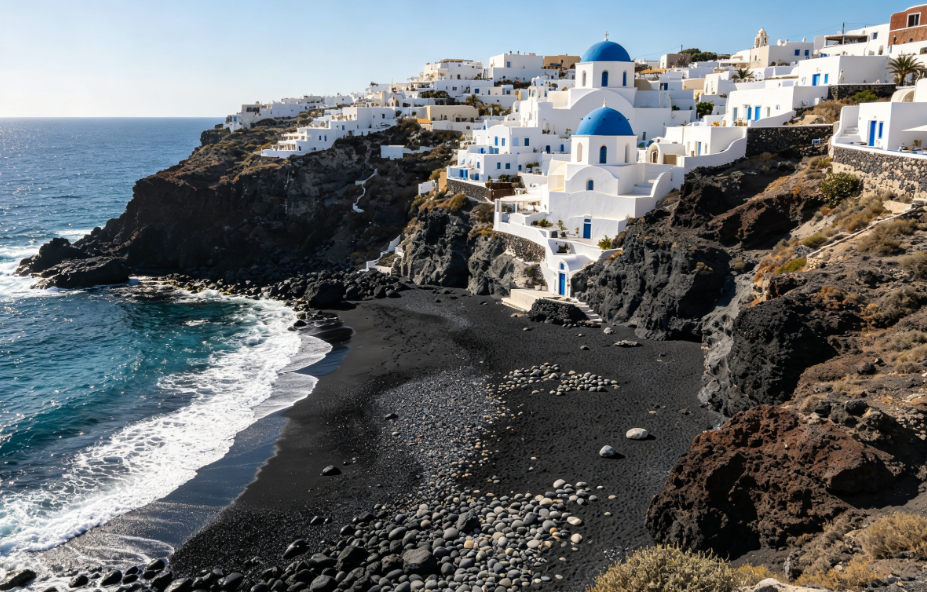
Perched in the southern Aegean Sea, Santorini is more than just a Greek island—it’s a postcard-perfect paradise where whitewashed villages cling to volcanic cliffs, blue-domed churches mirror the sky, and the Aegean Sea shimmers in shades of turquoise and sapphire. Born from a catastrophic volcanic eruption thousands of years ago, this crescent-shaped island boasts dramatic landscapes, stunning sunsets, and a laid-back Mediterranean lifestyle that has captivated travelers from around the world. Blending ancient history, natural beauty, and romantic charm, Santorini offers an escape like no other—whether you’re wandering through its picture-perfect villages, relaxing on black-sand beaches, savoring fresh seafood, or watching the sun dip below the horizon, every moment here feels like a dream.
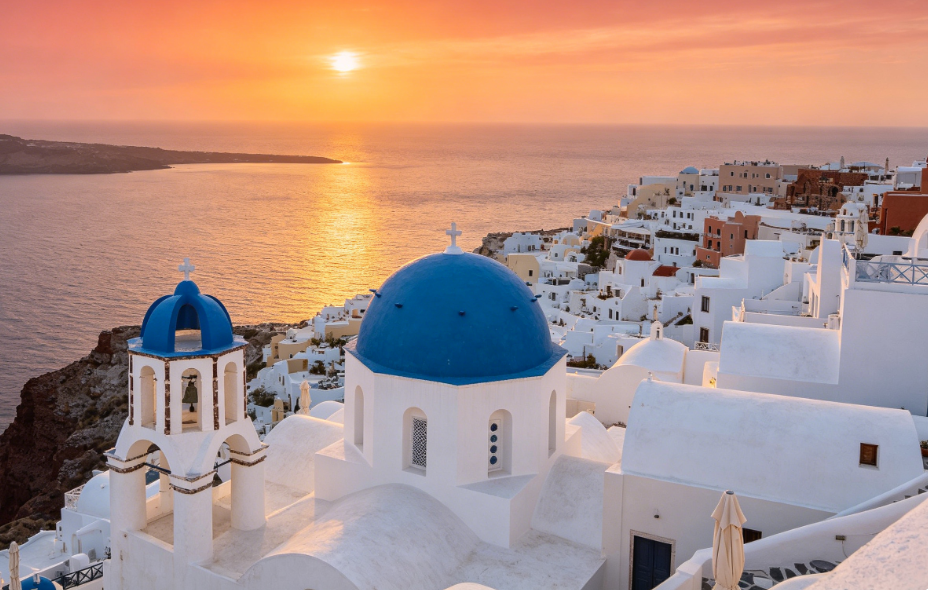
Oia, Santorini’s most iconic village, is perched on the northern tip of the island, offering unparalleled views of the caldera (the volcanic crater) and the Aegean Sea. Its narrow cobblestone streets wind past whitewashed houses adorned with vibrant bougainvillea, blue-domed churches, and boutique hotels with infinity pools that seem to blend seamlessly with the sea below. Oia is famous for its sunsets—each evening, crowds gather on the cliffs to watch the sun sink into the Aegean, painting the sky in hues of pink, orange, and purple. Beyond the sunset, Oia is a haven for art lovers, with numerous galleries showcasing local artists’ work, and cozy cafes where you can sip Greek coffee while taking in the stunning views.
Fira, the capital of Santorini, is another must-visit village, located on the western edge of the caldera. Unlike the quiet elegance of Oia, Fira is a bustling hub of activity, with a lively main street lined with shops, restaurants, and bars. From Fira’s cliffs, you’ll enjoy sweeping views of the caldera, the volcanic islands in the center, and the sparkling Aegean. The village is also home to several historic sites, including the Archaeological Museum of Thera, which houses artifacts from the ancient Minoan settlement of Akrotiri—often called the “Pompeii of the Aegean” due to its preservation under volcanic ash. A short walk from Fira leads to the ancient theater of Thera, a well-preserved Greek theater that offers stunning views and hosts cultural events during the summer.
Santorini’s beaches are as unique as its villages, shaped by the island’s volcanic history. Perissa and Kamari Beaches are famous for their black sand, formed from volcanic rock, which contrasts beautifully with the turquoise sea. These beaches are perfect for swimming, sunbathing, and water sports like snorkeling and windsurfing, with plenty of beach bars and restaurants offering refreshments and shade. For a more secluded experience, head to Red Beach, a stunning cove with red volcanic cliffs and crystal-clear waters—its unique color comes from iron-rich volcanic rock, making it one of the most photographed beaches in Santorini. Another hidden gem is White Beach, a small, intimate beach with white pebbles and clear waters, accessible only by a short hike.
Santorini’s volcanic history is a big part of its charm, and a visit to the volcanic islands in the caldera is a must. Take a boat tour to Nea Kameni, an active volcano where you can hike to the crater and walk on volcanic rock, feeling the heat from the earth below. Nearby, Palea Kameni is home to natural hot springs, where you can swim in warm, mineral-rich waters that are said to have healing properties. The boat tour also includes a stop at Thirassia, a small island opposite Oia, where you can explore quiet villages, enjoy fresh seafood, and take in views of Santorini’s caldera from a different perspective.
Greek cuisine is a highlight of any trip to Santorini, with fresh, local ingredients and bold flavors that reflect the island’s coastal location. Fresh seafood is abundant—try grilled octopus, fried calamari, or baked fish, often served with lemon, olive oil, and fresh herbs. One of Santorini’s most famous dishes is fava, a creamy yellow pea puree served as an appetizer, often with olive oil and onions. Another must-try is moussaka, a layered dish of eggplant, ground meat, and béchamel sauce, or souvlaki, grilled meat skewers served with pita bread and tzatziki. For dessert, don’t miss baklava, a sweet pastry made with phyllo dough, honey, and nuts, or loukoumades, small fried dough balls drizzled with honey and cinnamon. Wash it all down with a glass of local Santorini wine—Assyrtiko, a crisp white wine grown in volcanic soil, is the island’s signature drink.
Beyond its villages and beaches, Santorini offers plenty of opportunities to explore its rich history and culture. The ancient city of Akrotiri, buried under volcanic ash during the Minoan eruption, is a fascinating archaeological site that offers a glimpse into life on the island over 3,600 years ago. Excavations have uncovered well-preserved buildings, frescoes, and artifacts, giving visitors a unique insight into Minoan civilization. The Monastery of Profitis Ilias, located on the highest point of Santorini, is another historic site—this 18th-century monastery offers panoramic views of the island and houses a collection of religious artifacts and paintings.
What makes Santorini truly magical is its unparalleled beauty and romantic atmosphere. It’s a place where every view is a work of art—white walls against blue skies, volcanic cliffs overlooking the sea, and sunsets that take your breath away. The people of Santorini are warm and welcoming, with a laid-back Mediterranean attitude that makes visitors feel at home. Whether you’re honeymooning, traveling with friends, or seeking a solo escape, Santorini offers an experience that is both relaxing and inspiring. It’s an island that captures the heart, sparks romance, and leaves visitors with memories of turquoise seas, white domes, and golden sunsets—truly a jewel of the Aegean Sea.