Vienna: Austria’s Elegant Capital of Music, History and Timeless Sophistica
Nestled along the banks of the Danube River in central Europe, Vienna, the capital of Austria, is a city that exudes elegance, culture, and timeless charm. Known as the “City of Music,” it has been home to some of the world’s greatest composers—Beethoven, Mozart, Schubert, and Strauss—and its streets still resonate with the melody of classical music. Beyond its musical heritage, Vienna boasts opulent palaces, stunning architecture, lush parks, and a rich culinary tradition, blending imperial grandeur with cozy, welcoming warmth. Whether you’re attending a classical concert, wandering through a Baroque palace, savoring a slice of Sachertorte, or strolling along the Danube, Vienna offers an immersive experience that celebrates art, history, and refinement.
Vienna’s imperial past is on full display in its stunning palaces and historic buildings, most notably the Hofburg Imperial Palace. For over 600 years, this sprawling complex served as the residence of the Habsburg dynasty, one of Europe’s most powerful royal families. Today, it houses several museums, including the Imperial Apartments, where visitors can explore the opulent living quarters of emperors and empresses, adorned with gilded ceilings, intricate tapestries, and priceless art. The Hofburg also includes the Spanish Riding School, famous for its Lipizzaner horses and elegant equestrian performances that date back to the 16th century. Nearby, the Schönbrunn Palace, a UNESCO World Heritage Site, is another architectural masterpiece—with its Baroque facade, sprawling gardens, and the Gloriette, a stunning structure that offers panoramic views of the city.
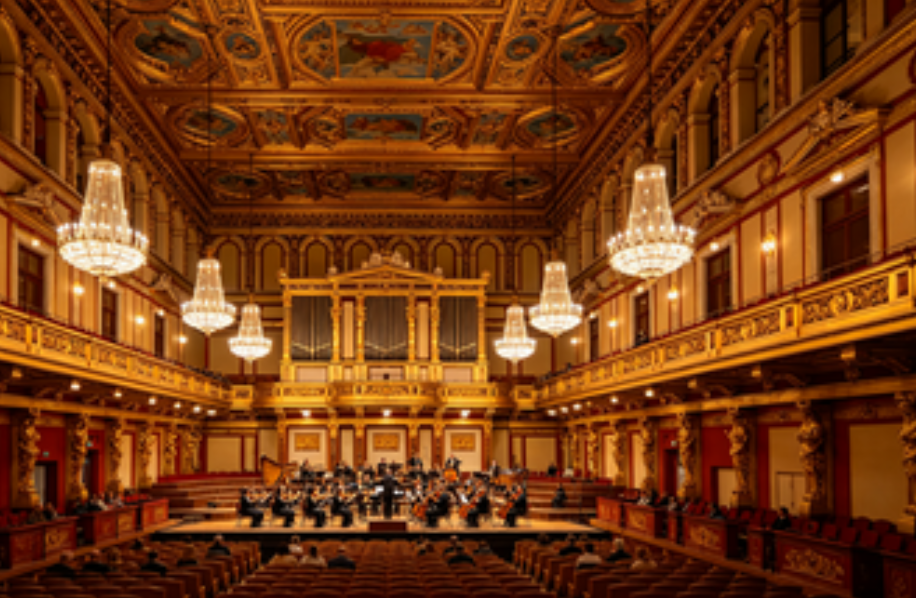
As the “City of Music,” Vienna is a paradise for classical music lovers. The Vienna State Opera, one of the world’s most prestigious opera houses, hosts world-class performances of opera and ballet throughout the year, with its grand interior and exceptional acoustics creating an unforgettable experience. For a more intimate setting, visit the Musikverein, home to the Vienna Philharmonic Orchestra, where you can attend a concert in the famous Golden Hall—renowned for its perfect sound and elegant decor. Even if you don’t attend a formal concert, you’ll hear music everywhere in Vienna: street musicians playing violins in the streets, cafes featuring live classical music, and even the sound of waltz music drifting from ballrooms during the city’s famous Vienna Ball season.
Vienna’s historic center, a UNESCO World Heritage Site, is a maze of cobblestone streets, beautiful squares, and stunning architecture. St. Stephen’s Cathedral, located in the heart of the city, is a Gothic masterpiece with its iconic spire that towers over the skyline. Inside, visitors can admire the intricate stained-glass windows, the ornate pulpit, and the catacombs, which contain the remains of Habsburg emperors. The Stephansplatz, the square surrounding the cathedral, is a bustling hub of activity, with cafes, shops, and street vendors selling traditional Austrian souvenirs. Wander through the nearby Graben and Kärntner Straße, two of Vienna’s most famous shopping streets, lined with luxury boutiques and historic buildings.
Vienna’s parks and green spaces offer a peaceful escape from the city’s bustle, with the Prater being the most famous. This sprawling park, once a royal hunting ground, is home to the iconic Wiener Riesenrad (Giant Ferris Wheel), which offers stunning views of Vienna and the Danube River. The Prater also features gardens, lakes, and walking paths, making it perfect for a leisurely stroll, a picnic, or a bike ride. Another beautiful park is the Volksgarten, located near the Hofburg Palace, with its rose gardens, neoclassical statues, and the Theseus Temple—a replica of the ancient Greek temple. In the summer, these parks come alive with outdoor concerts, festivals, and locals enjoying the warm weather.
Austrian cuisine, and Viennese cuisine in particular, is rich, indulgent, and full of flavor. One of Vienna’s most famous dishes is Wiener Schnitzel, a tender, breaded veal cutlet fried to golden perfection, often served with potato salad or lingonberry jam. Another must-try is Tafelspitz, a traditional beef dish cooked in a rich broth, served with horseradish and applesauce. For dessert, Vienna is famous for Sachertorte, a rich chocolate cake with a layer of apricot jam, covered in dark chocolate glaze—created in 1832 by Franz Sacher for Prince Metternich. Don’t miss Apfelstrudel, a flaky pastry filled with apples, cinnamon, and raisins, often served with whipped cream. Wash it all down with a cup of Viennese coffee, a strong, rich coffee served in a small cup, often with a dollop of whipped cream.
Vienna’s neighborhoods each have their own unique character, from the imperial grandeur of the First District (Innere Stadt) to the bohemian vibe of Neustift am Walde. The Naschmarkt, Vienna’s oldest and largest market, is a food lover’s paradise—with stalls selling fresh produce, cheese, meat, and international cuisine, as well as flowers and handcrafted goods. The district of Leopoldstadt, located along the Danube, is home to the Prater and the Jewish Museum, which tells the story of Vienna’s Jewish community. For a taste of local life, visit the district of Grinzing, known for its heurigen (wine taverns), where you can enjoy local wine and traditional Austrian food in a cozy, rustic setting.
What makes Vienna truly special is its perfect blend of imperial grandeur and everyday charm. It’s a city where you can attend a world-class opera performance in the evening and enjoy a casual coffee and pastry in a historic cafe the next morning. The people of Vienna are warm and sophisticated, taking pride in their city’s culture and heritage. Whether you’re exploring its opulent palaces, listening to classical music, savoring delicious cuisine, or strolling through its beautiful parks, Vienna offers an experience that is both elegant and authentic. It’s a city that captures the heart, inspires the soul, and leaves visitors with memories of music, history, and timeless sophistication—truly a jewel of central Europe.