Kyoto: Japan’s Timeless Capital of Tradition and Serenity
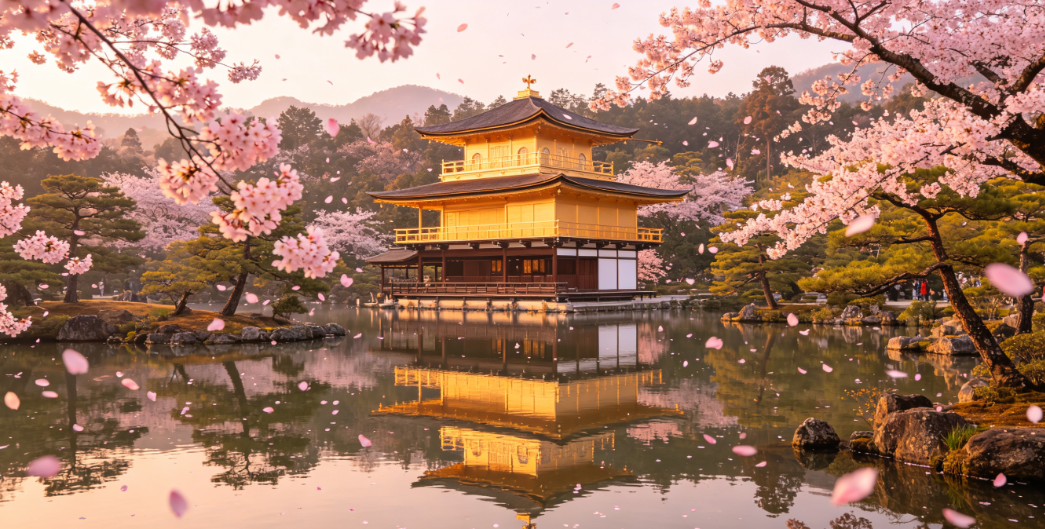
Nestled in the Kansai region of Japan, Kyoto is a city that feels like a living testament to Japan’s rich cultural heritage. For over 1,000 years, it served as the imperial capital, and today, it remains a treasure trove of ancient temples, traditional gardens, geisha districts, and time-honored customs. Unlike Japan’s bustling modern cities like Tokyo, Kyoto exudes a sense of calm and serenity, where wooden machiya (traditional townhouses) line quiet streets, cherry blossoms drift in the spring breeze, and the scent of matcha tea lingers in the air. Whether you’re seeking spiritual enlightenment, cultural immersion, or simply a break from the fast pace of modern life, Kyoto offers an unforgettable journey into the heart of traditional Japan.
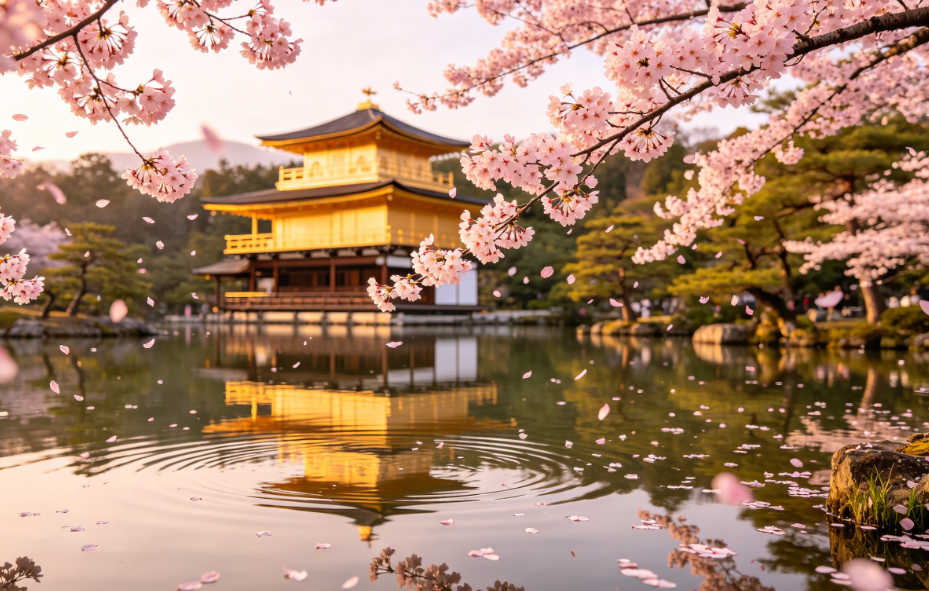
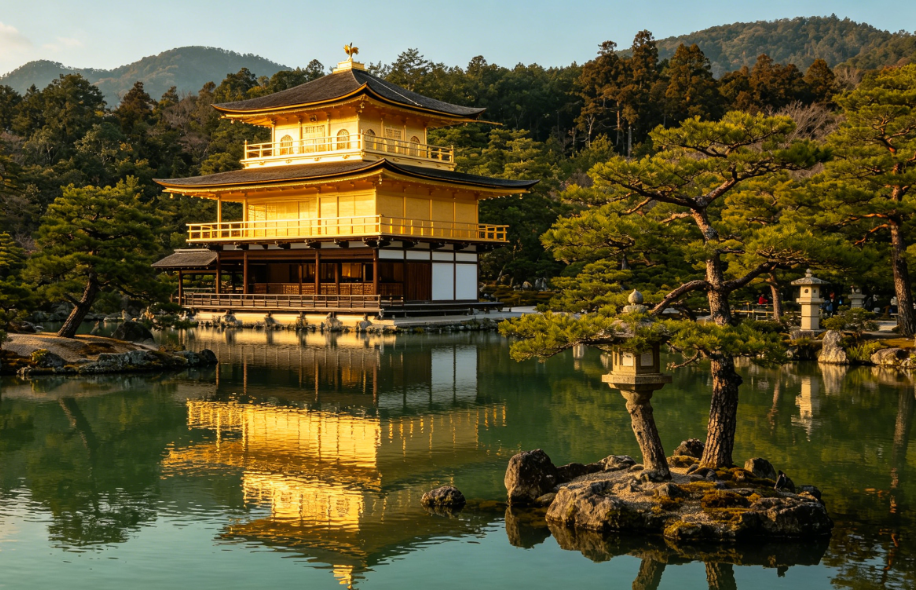
Kyoto is home to over 1,600 temples and shrines, each with its own unique history and architectural beauty. Kinkaku-ji, also known as the Golden Pavilion, is one of the city’s most iconic landmarks. This stunning Zen temple is covered in gold leaf, reflecting beautifully in the tranquil pond surrounding it, creating a picture-perfect scene that feels like something out of a fairy tale. Another must-visit is Fushimi Inari Taisha, famous for its thousands of vermilion torii gates that wind up a forested mountain. Hiking through the gates, which are donated by businesses and individuals, is a meditative experience, with each gate offering a new view of the surrounding nature and the distant city.
For a glimpse into Kyoto’s spiritual side, visit Kiyomizu-dera, a UNESCO World Heritage Site perched on a wooden terrace overlooking the city. This ancient Buddhist temple, built without a single nail, offers breathtaking views of Kyoto, especially during cherry blossom season (spring) and autumn, when the leaves turn vibrant shades of red and gold. Inside the temple, you’ll find a sacred spring, where visitors can drink from three streams, each said to grant a different wish—health, success, and love. Another spiritual gem is Ginkaku-ji (Silver Pavilion), a Zen temple surrounded by meticulously maintained gardens, featuring raked sand, stone lanterns, and lush greenery, designed to inspire calm and contemplation.
Kyoto’s geisha districts offer a fascinating glimpse into Japan’s traditional performing arts. Gion, the most famous geisha district, is a maze of narrow streets lined with wooden machiya, tea houses, and shops selling traditional crafts. In the early evening, you might spot geisha (or maiko, apprentice geisha) in their elegant kimono, white makeup, and elaborate hairstyles, hurrying to their appointments. For a deeper understanding of geisha culture, visit the Gion Corner, where you can watch traditional performances like tea ceremony, koto (a stringed instrument), and dance. Pontocho, another charming geisha district, is known for its narrow alleyways and cozy restaurants serving kaiseki (a traditional multi-course meal), offering a taste of Kyoto’s culinary artistry.
Kyoto’s traditional gardens are works of art in themselves, designed to harmonize with nature and create a sense of peace. The Ryoan-ji Temple is home to one of Japan’s most famous rock gardens, a simple yet profound arrangement of 15 rocks in a bed of raked sand, inviting visitors to meditate and find their own meaning in the design. The Garden of the Silver Pavilion, with its pond, bridges, and carefully pruned trees, is another masterpiece of Zen garden design, perfect for a leisurely stroll. During spring, Kyoto’s gardens and streets come alive with cherry blossoms, while autumn brings a riot of red, orange, and gold leaves, making these seasons the most popular times to visit.
No trip to Kyoto is complete without savoring its delicious traditional cuisine, which is known for its precision, seasonality, and emphasis on fresh, local ingredients. Kaiseki is the pinnacle of Kyoto’s culinary art— a multi-course meal that changes with the seasons, featuring dishes like fresh sashimi, simmered vegetables, grilled fish, and delicate desserts. Matcha, a finely ground green tea, is a staple in Kyoto, and you can enjoy it in various forms, from matcha tea ceremonies to matcha desserts like parfaits, mochi (glutinous rice cakes), and wagashi (traditional Japanese sweets). Don’t miss trying yudofu, a simple yet flavorful dish of tofu simmered in dashi (broth), often served in temples as part of a vegetarian meal.
Beyond its temples and traditions, Kyoto also offers opportunities to experience modern Japan while honoring its past. The Nishiki Market, often called “Kyoto’s Kitchen,” is a 400-year-old market lined with over 100 shops and stalls selling fresh seafood, pickles, matcha products, and traditional snacks. It’s the perfect place to sample local delicacies and pick up souvenirs. For a day trip, head to Arashiyama, a scenic district on the outskirts of Kyoto, known for its bamboo groves, the Togetsukyo Bridge, and Tenryu-ji Temple, another UNESCO World Heritage Site. The bamboo groves, with their towering stalks, create a magical atmosphere, especially in the early morning when the light filters through the leaves.
What makes Kyoto truly special is its ability to preserve its traditions while embracing the present. It’s a city where you can wander through ancient temples one day and visit modern cafes the next, where geisha walk alongside tourists, and where the pace of life feels gentle and unhurried. The people of Kyoto take great pride in their cultural heritage, and they are eager to share it with visitors, whether through a tea ceremony, a traditional dance performance, or a warm bowl of yudofu. Kyoto is more than a travel destination—it’s a journey into the soul of Japan, a place where time slows down, and every moment is filled with beauty, serenity, and wonder. It’s a city that will leave you with a deep appreciation for Japan’s traditions and a longing to return to its quiet streets and timeless charm.