Kyoto: A Timeless Journey Through Japan’s Cultural Heart
Nestled in the Kansai region of Japan, Kyoto is a city where ancient traditions and modern life coexist in perfect harmony. For centuries, it served as Japan’s imperial capital, leaving behind a wealth of cultural treasures, sacred temples, serene gardens, and age-old customs that continue to captivate travelers from around the world. Unlike the bustling metropolises of Tokyo or Osaka, Kyoto retains a quiet elegance, inviting visitors to slow down, immerse themselves in its rich history, and experience the true essence of Japanese culture. Below is a guide to the city’s most unmissable highlights, ensuring you make the most of your time in this timeless destination.
1. Iconic Temples and Shrines: Symbols of Spiritual Heritage
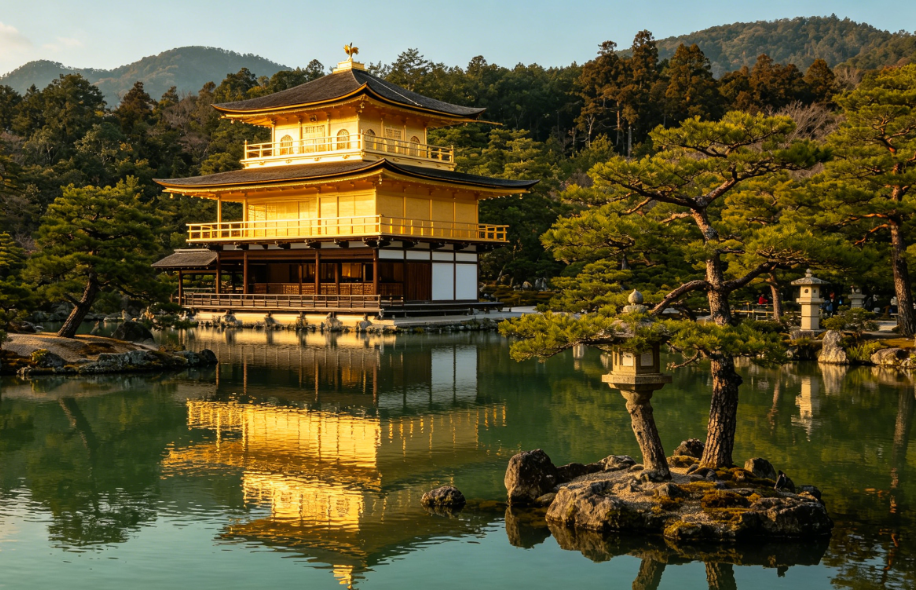
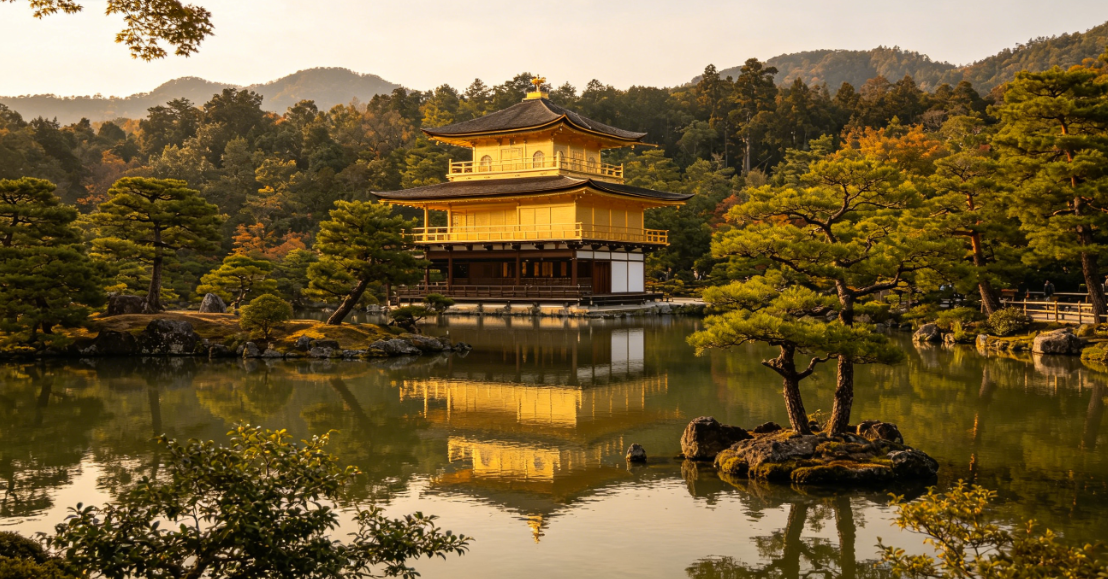
Kyoto is home to over 1,600 temples and shrines, each telling a story of Japan’s spiritual and architectural legacy. One of the most famous is Kinkaku-ji, also known as the Golden Pavilion. Covered in gold leaf, this Zen temple reflects beautifully in the surrounding pond, creating a breathtaking scene that feels like it’s straight out of a fairy tale. Another must-visit is Fushimi Inari Taisha, famous for its thousands of vermilion torii gates that wind up the sacred mountain. Hiking through these gates is a meditative experience, offering stunning views of the city and a deeper understanding of Shinto traditions.
For those interested in Buddhist heritage, Kiyomizu-dera is a UNESCO World Heritage Site that stands atop wooden stilts, offering panoramic views of Kyoto. Its main hall, without a single nail, is a masterpiece of traditional Japanese architecture, and during cherry blossom season, the surrounding hillsides burst into pink, making it even more magical. Don’t miss the nearby Gion District, where you might spot geisha (or maiko, apprentice geisha) in their elegant kimono, adding to the city’s timeless charm.
2. Serene Gardens: Oases of Peace and Harmony
Japanese gardens are an integral part of Kyoto’s identity, designed to embody harmony, simplicity, and a connection with nature. The Ryoan-ji Garden is one of the most famous dry gardens in the world, featuring 15 rocks arranged in a bed of white gravel, inviting visitors to meditate and interpret the scene in their own way. Another gem is the Kinkaku-ji Garden, which surrounds the Golden Pavilion and includes a tranquil pond, lush greenery, and carefully placed stones that complement the temple’s golden exterior.
For a more expansive garden experience, visit the Imperial Palace Gardens, where you can stroll through manicured lawns, serene ponds, and traditional tea houses. The gardens change with the seasons—cherry blossoms in spring, vibrant greenery in summer, fiery red and gold leaves in autumn, and a peaceful quiet in winter—ensuring there’s always something new to discover.
3. Seasonal Beauty: A Year-Round Destination
Kyoto is a city that shines in every season, offering unique experiences throughout the year. Spring (March to May) is arguably the most popular time to visit, as cherry blossoms (sakura) bloom across the city. The Philosopher’s Path, lined with cherry trees, is a must-visit during this time, with petals floating in the air and locals picnicking under the trees. Summer (June to August) brings lush greenery and traditional festivals, such as the Gion Matsuri, one of Japan’s most famous festivals, featuring elaborate floats and vibrant parades.
Autumn (September to November) is equally stunning, as the city’s maple trees turn brilliant shades of red, orange, and gold. The Tofuku-ji Temple is particularly beautiful during this time, with its maple-lined paths and serene atmosphere. Winter (December to February) brings a quiet magic, with snow dusting the temples and gardens, creating a picturesque winter wonderland—perfect for cozying up with a cup of hot matcha and enjoying the city’s peaceful side.
4. Authentic Cuisine: A Taste of Traditional Japan
No trip to Kyoto is complete without savoring its delicious cuisine, which emphasizes fresh, seasonal ingredients and delicate flavors. One of the most iconic dishes is kaiseki, a multi-course meal that showcases the art of Japanese cooking, with each dish carefully prepared to highlight the natural flavors of the ingredients. From fresh sashimi to simmered vegetables and delicate desserts, kaiseki is a culinary experience not to be missed.
For a more casual meal, try yudofu (tofu hot pot), a simple yet comforting dish that’s popular in Kyoto, especially in winter. Matcha is also a staple in Kyoto—you’ll find it in everything from desserts like matcha parfaits and mochi to hot drinks. Be sure to visit a traditional tea house to experience a tea ceremony, where you’ll learn about the art of preparing and serving matcha, a ritual that embodies peace and respect.
5. Cultural Experiences: Immerse Yourself in Tradition
To truly experience Kyoto, take part in its cultural traditions. Many places offer kimono rentals, allowing you to explore the city in traditional attire—perfect for photos and feeling like a local. You can also take a calligraphy class, where you’ll learn to write Japanese characters with a brush, or a tea ceremony class to deepen your understanding of Japanese hospitality.
For a unique experience, visit a traditional ryokan (Japanese inn), where you’ll sleep on a futon, enjoy kaiseki meals, and relax in an onsen (hot spring) if available. Ryokans offer a glimpse into traditional Japanese living, with warm hospitality and attention to detail that will make your stay unforgettable.
Kyoto is more than just a tourist destination—it’s a living museum of Japanese culture, where every street, temple, and garden tells a story. Whether you’re exploring its ancient temples, strolling through its serene gardens, savoring its delicious cuisine, or immersing yourself in its traditions, Kyoto will capture your heart and leave you with memories that last a lifetime. It’s a city that reminds us of the beauty of slowing down, appreciating the present, and honoring the past.