Practical Guide to Maintaining Good Eye Health
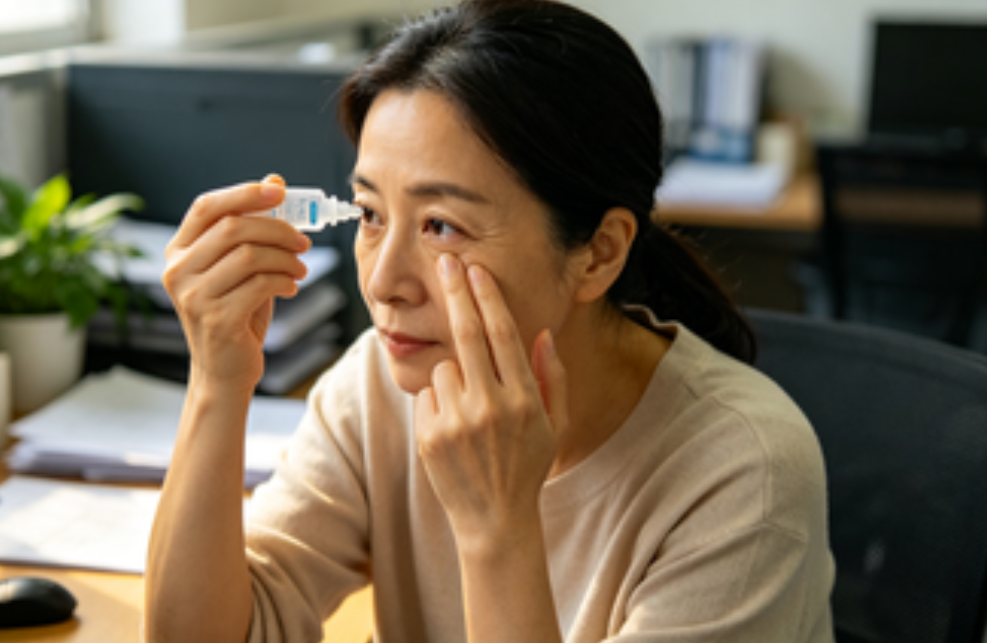
In today’s digital age, our eyes are constantly exposed to screens, harsh lighting, and other environmental factors that can strain and damage them over time. From eye fatigue to more serious conditions like myopia (nearsightedness) and dry eyes, neglecting eye health can significantly impact our vision and quality of life. The good news is that simple, consistent habits can protect your eyes, reduce strain, and preserve clear vision. This article shares evidence-based tips and key information about common eye issues, helping you prioritize and maintain optimal eye health.
1. Common Eye Issues and Their Causes
Many eye problems are linked to modern lifestyles, and early awareness can help prevent them from worsening. Here are the most prevalent issues and their main causes:
- Digital Eye Strain (Computer Vision Syndrome): Caused by prolonged screen time (phones, computers, tablets), this leads to symptoms like eye tiredness, dryness, blurred vision, and headaches. It occurs because we blink less frequently when focusing on screens, drying out the eyes, and the eyes work harder to focus on close-up objects.
- Dry Eyes: Characterized by a lack of sufficient tear production or poor tear quality, leading to irritation, burning, or a gritty feeling. Common triggers include screen use, dry indoor air, aging, and certain medications.
- Myopia (Nearsightedness): A condition where distant objects appear blurry, often developing in children and young adults due to excessive close-up work (such as reading or screen time) and genetic factors.
- Eye Fatigue and Strain: Caused by extended periods of focusing on nearby objects, poor lighting, or uncorrected vision (e.g., wearing outdated glasses or contact lenses).
2. Practical Tips to Protect Your Eyes
Taking small, daily steps can go a long way in safeguarding your eye health and reducing strain. Incorporate these habits into your routine:
2.1 Follow the 20-20-20 Rule
To reduce digital eye strain, follow this simple rule: every 20 minutes, take a 20-second break to look at something 20 feet (about 6 meters) away. This gives your eye muscles a chance to relax and helps prevent fatigue.
2.2 Adjust Screen Settings and Posture
Position your screen 18-24 inches away from your eyes, with the top of the screen at or slightly below eye level. Adjust the brightness and contrast to match your environment (avoid screens that are too bright or too dim). Use a blue light filter, especially when using screens at night, as blue light can disrupt sleep and strain eyes.
2.3 Keep Your Eyes Moisturized
Blink frequently when using screens to keep your eyes lubricated. If you experience dry eyes, use over-the-counter artificial tears to relieve irritation. Avoid sitting in front of air conditioners or heaters for long periods, as they dry out the air and your eyes.
2.4 Ensure Proper Lighting
When reading, working, or using screens, use soft, diffused lighting to avoid glare. Avoid reading in dim light or direct sunlight, as both can strain your eyes. Use a desk lamp with a warm light bulb to supplement overhead lighting if needed.
2.5 Get Regular Eye Exams
Regular eye check-ups are essential for early detection of eye problems, even if you have no symptoms. Adults should get an eye exam every 1-2 years, while children should have their first exam by age 3 and annual exams after that (especially if they use screens regularly or have a family history of eye conditions). Eye exams can detect issues like myopia, glaucoma, and cataracts early, when treatment is most effective.
2.6 Maintain a Healthy Lifestyle
A balanced diet rich in eye-healthy nutrients supports good vision. Include foods high in omega-3 fatty acids (salmon, walnuts), vitamin A (carrots, sweet potatoes), vitamin C (oranges, bell peppers), and lutein (spinach, kale) in your diet. Stay hydrated, as dehydration can contribute to dry eyes. Additionally, avoid smoking, as it increases the risk of eye diseases like macular degeneration and cataracts.
3. When to See an Eye Doctor
If you experience any of the following symptoms, consult an eye doctor promptly: persistent eye pain, redness, blurred vision, double vision, light sensitivity, frequent headaches, or sudden changes in vision. These could be signs of a more serious eye condition that requires professional treatment.
Your eyes are vital for experiencing the world around you, and caring for them doesn’t require elaborate efforts. By following these simple tips and prioritizing regular eye check-ups, you can protect your vision and maintain good eye health for years to come.