How to Protect Your Eye Health: Simple Daily Practices
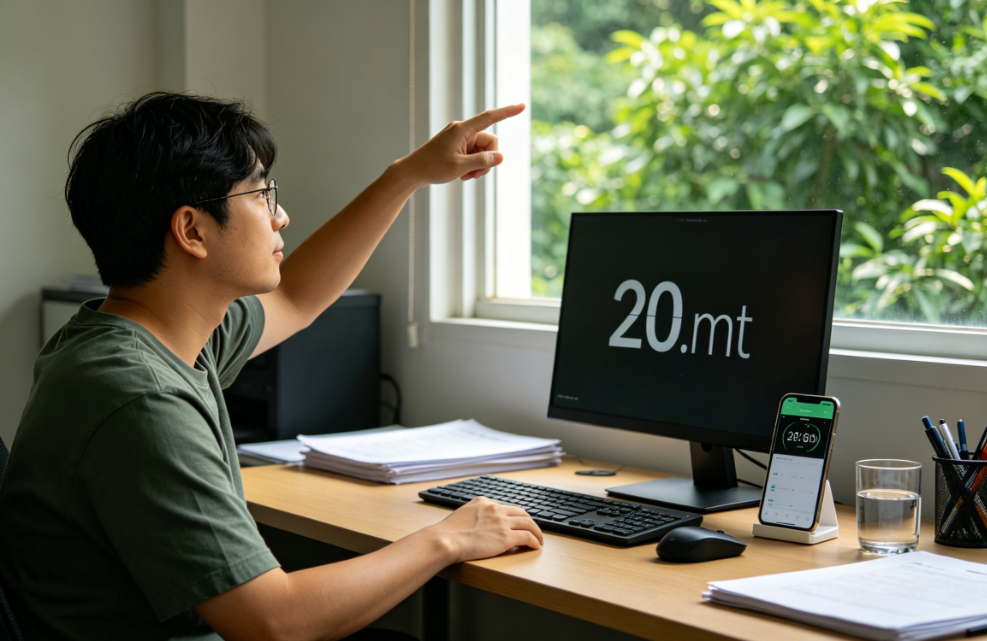
Our eyes are essential for navigating the world, yet they are often taken for granted—especially in a world where we spend hours staring at screens, working in harsh lighting, and neglecting small habits that support eye health. Poor eye care can lead to common issues like eye strain, dryness, and blurred vision, and over time, may increase the risk of more serious conditions. The good news is that protecting your eyes is easy with small, consistent steps. This article shares practical, science-backed advice to help you maintain clear vision and healthy eyes in daily life.
Why Eye Health Matters
Healthy eyes are key to a high quality of life. They allow us to work, learn, connect with loved ones, and enjoy hobbies like reading, watching movies, or spending time outdoors. When our eyes are strained or damaged, even simple tasks become difficult. Many eye problems are preventable with proper care, and early detection through regular check-ups can help avoid vision loss or serious eye conditions.
Common Eye Issues and Their Triggers
Most eye discomfort we experience is linked to daily habits. Being aware of these triggers can help you avoid unnecessary strain:
- Digital Eye Strain: Caused by prolonged use of phones, computers, and tablets. Symptoms include tired eyes, dryness, blurred vision, and headaches. It occurs because we blink less often when focusing on screens, which dries out the eyes, and our eye muscles stay tense to focus on close-up objects.
- Dry Eyes: A common condition where the eyes don’t produce enough tears or tears evaporate too quickly. It causes a gritty, burning feeling and can be worsened by screen use, dry indoor air, air conditioning, or aging.
- Eye Fatigue: From extended close-up work (reading, studying, screen time) or poor lighting. It leads to achy eyes, difficulty focusing, and fatigue.
Easy Ways to Protect Your Eyes Every Day
You don’t need to make big changes to care for your eyes—these simple practices can be incorporated into your daily routine:
1. Follow the 20-20-20 Rule
This is a simple trick to reduce digital eye strain. Every 20 minutes, take a 20-second break and look at something 20 feet (about 6 meters) away. This relaxes your eye muscles and gives your eyes a chance to rest, preventing fatigue and dryness.
2. Adjust Your Screen Setup
Position your screen 18–24 inches from your eyes, with the top of the screen at or slightly below eye level. This reduces strain on your neck and eyes. Adjust the brightness and contrast to match your environment—avoid a screen that’s too bright in a dark room or too dim in bright light. Use a blue light filter, especially at night, to reduce eye strain and improve sleep.
3. Keep Your Eyes Moist
Blink more often when using screens—we blink about half as much when focusing on digital devices. If you have dry eyes, use over-the-counter artificial tears to lubricate them. Avoid sitting directly in front of air conditioners or heaters, as they dry out the air and irritate the eyes.
4. Use Proper Lighting
When reading or working, use soft, diffused lighting to avoid glare. Don’t read in dim light or direct sunlight, as both can strain your eyes. Use a desk lamp with a warm bulb to supplement overhead lighting, and position it so light doesn’t reflect off your screen.
5. Get Regular Eye Exams
Even if you have no eye symptoms, regular check-ups are important. Adults should have an eye exam every 1–2 years, and children should have their first exam by age 3, with annual exams afterward. Eye exams can detect early signs of eye conditions like myopia (nearsightedness), glaucoma, and cataracts, when treatment is most effective.
6. Eat an Eye-Healthy Diet
Foods rich in certain nutrients support eye health. Include omega-3 fatty acids (salmon, walnuts), vitamin A (carrots, sweet potatoes), vitamin C (oranges, bell peppers), and lutein (spinach, kale) in your diet. These nutrients help protect the eyes from damage and keep them healthy.
When to See an Eye Doctor
If you experience persistent eye pain, redness, blurred vision, double vision, light sensitivity, or sudden changes in vision, visit an eye doctor right away. These symptoms could be signs of a more serious eye condition that needs professional treatment.
Taking care of your eyes is a small investment that pays off in the long run. By following these simple practices, you can protect your vision, reduce eye strain, and keep your eyes healthy for years to come.