Effective Treatment Strategies for Hypertension: A Comprehensive Guide
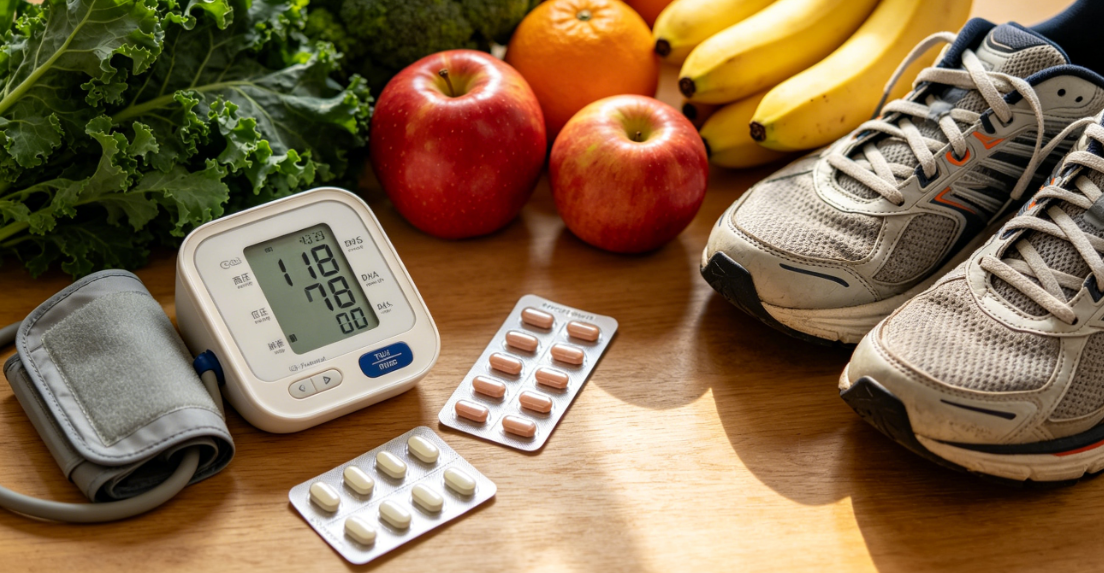
Hypertension, commonly known as high blood pressure, is a prevalent chronic condition characterized by persistently elevated blood pressure levels, defined as a systolic pressure of 130 mmHg or higher and/or a diastolic pressure of 80 mmHg or higher. If left untreated or poorly managed, it significantly increases the risk of serious cardiovascular complications, including heart attack, stroke, kidney disease, and heart failure. However, with appropriate treatment and lifestyle adjustments, most individuals with hypertension can maintain healthy blood pressure levels and reduce associated health risks. This article outlines the key treatment strategies for hypertension, combining medical interventions and lifestyle modifications.
1. Treatment Goals
The primary goal of hypertension treatment is to lower blood pressure to a target level that minimizes the risk of cardiovascular events. For most adults with hypertension, the recommended target is a systolic pressure below 130 mmHg and a diastolic pressure below 80 mmHg. For older adults (aged 65 years and above), the target may be adjusted to 140/90 mmHg based on individual health status, such as the presence of other chronic conditions or frailty. For patients with diabetes, kidney disease, or heart disease, stricter targets may be recommended by healthcare providers to further reduce complication risks.
2. Lifestyle Modifications: The Foundation of Hypertension Treatment
Lifestyle interventions are the cornerstone of hypertension management, whether used alone for mild hypertension or in combination with medication for moderate to severe cases. These changes not only help lower blood pressure but also improve overall cardiovascular health.
2.1 Dietary Adjustments
The Dietary Approaches to Stop Hypertension (DASH) diet is widely recommended for individuals with hypertension. This diet emphasizes consuming fruits, vegetables, whole grains, lean proteins (such as fish, poultry, and legumes), and low-fat dairy products. It also limits sodium intake, as excessive sodium is a major contributor to elevated blood pressure. The American Heart Association recommends limiting sodium to less than 2,300 milligrams per day, with an ideal limit of 1,500 milligrams per day for most adults. Additionally, reducing intake of saturated fats, trans fats, and added sugars can help control weight and improve blood pressure.
2.2 Regular Physical Activity
Aerobic exercise is highly effective in lowering blood pressure. Adults with hypertension should aim for at least 150 minutes of moderate-intensity aerobic activity per week, such as brisk walking, cycling, swimming, or dancing, spread over 5 days. Alternatively, 75 minutes of vigorous-intensity exercise, such as running or high-intensity interval training, can be substituted. Regular exercise strengthens the heart, improves blood circulation, and helps maintain a healthy weight, all of which contribute to better blood pressure control. It is important to consult a healthcare provider before starting an exercise program, especially for individuals with severe hypertension or other health conditions.
2.3 Weight Management
Excess weight, particularly abdominal obesity, is a significant risk factor for hypertension. Losing even a small amount of weight (5-10% of body weight) can lead to a meaningful reduction in blood pressure. For example, a 10-pound weight loss may lower systolic blood pressure by 5-20 mmHg in overweight or obese individuals. Weight loss is best achieved through a combination of a healthy diet and regular physical activity, rather than extreme diets or quick-fix solutions.
2.4 Limiting Alcohol and Quitting Smoking
Excessive alcohol consumption raises blood pressure and reduces the effectiveness of hypertension medications. Men should limit alcohol intake to no more than 2 drinks per day, and women to no more than 1 drink per day (one drink is defined as 12 ounces of beer, 5 ounces of wine, or 1.5 ounces of distilled spirits). Smoking damages blood vessels, increases blood pressure, and dramatically raises the risk of heart attack and stroke. Quitting smoking is one of the most important steps individuals with hypertension can take to protect their cardiovascular health. Nicotine replacement therapies, such as patches or gum, can help support smoking cessation.
2.5 Stress Management
Chronic stress can contribute to elevated blood pressure by triggering the body’s “fight-or-flight” response, which increases heart rate and blood vessel constriction. Incorporating stress-reduction techniques into daily life can help lower blood pressure and improve overall well-being. Examples include mindfulness meditation, deep breathing exercises, yoga, tai chi, and engaging in hobbies or activities that promote relaxation. Getting adequate sleep (7-9 hours per night) is also crucial, as sleep deprivation can raise blood pressure.
3. Pharmacological Treatment
When lifestyle modifications alone are not sufficient to control blood pressure, healthcare providers may recommend medication. The choice of medication depends on factors such as the patient’s age, blood pressure level, presence of other chronic conditions (e.g., diabetes, kidney disease, heart failure), and potential side effects. Common classes of hypertension medications include:
3.1 Angiotensin-Converting Enzyme (ACE) Inhibitors
ACE inhibitors work by blocking the production of angiotensin II, a hormone that constricts blood vessels and raises blood pressure. They are often recommended for patients with diabetes, kidney disease, or heart failure. Examples include lisinopril, enalapril, and ramipril. Potential side effects may include a dry cough, dizziness, and high potassium levels.
3.2 Angiotensin II Receptor Blockers (ARBs)
ARBs block the action of angiotensin II, similar to ACE inhibitors, but without the common side effect of a dry cough. They are also suitable for patients with diabetes, kidney disease, or heart failure. Examples include losartan, valsartan, and irbesartan. Side effects may include dizziness, fatigue, and high potassium levels.
3.3 Calcium Channel Blockers (CCBs)
CCBs prevent calcium from entering the muscle cells of blood vessels, causing the vessels to relax and lower blood pressure. They are effective for a wide range of patients, including older adults and those with angina. Examples include amlodipine, nifedipine, and diltiazem. Side effects may include headaches, flushing, swelling in the legs, and constipation.
3.4 Diuretics
Diuretics, also known as “water pills,” help the body eliminate excess sodium and water through urine, which reduces blood volume and lowers blood pressure. They are often used as a first-line treatment for mild hypertension or in combination with other medications. Examples include hydrochlorothiazide, furosemide, and spironolactone. Side effects may include frequent urination, electrolyte imbalances, and dehydration.
3.5 Beta-Blockers
Beta-blockers reduce heart rate and the force of heart contractions, thereby lowering blood pressure. They are particularly useful for patients with heart disease, angina, or a history of heart attack. Examples include metoprolol, atenolol, and propranolol. Side effects may include fatigue, cold hands and feet, and dizziness.
In many cases, patients may require a combination of two or more medications to achieve target blood pressure levels. Healthcare providers will monitor blood pressure regularly and adjust medication dosages or types as needed to ensure effectiveness and minimize side effects.
4. Regular Monitoring and Follow-Up
Regular blood pressure monitoring is essential for effective hypertension management. Patients can monitor their blood pressure at home using a digital blood pressure monitor, which provides accurate readings and helps track progress. It is important to record readings and share them with healthcare providers during follow-up visits. Follow-up appointments are typically scheduled every 3-6 months